
14 min read · Pillar Guide
Sacramento's defining exterior challenge is sustained summer heat and intense UV — not moisture or fire across most of the city. This guide explains exactly what that does to a wall, which systems hold up, how to detail for thermal movement, what a quality re-side costs, and how the surrounding foothill suburbs differ.
Sacramento's climate, precisely
The controlling stressors are long high-UV summers and large daily thermal swings, with low humidity and (in the city proper) low wildfire exposure. That profile fades finishes, cycles fasteners and joints, and degrades lower-grade cladding from the sun side in. Moisture is a minor factor in the flats; heat and UV are the design drivers.
What valley heat actually does to a wall
Prolonged UV breaks down field paint and lower-grade finishes; repeated thermal expansion and contraction works fasteners loose, opens butt joints, and cracks rigid or poorly gapped materials. South and west elevations and dark colors age fastest and should always be specified most conservatively.
Best materials for Sacramento
Fiber cement with a fade-resistant factory finish (e.g., baked ColorPlus-type color, James Hardie HZ10 for the Western climate) is the standard recommendation. Field-painted wood enters a repaint cycle far sooner here; lower-grade vinyl can distort on dark colors and hot elevations. Engineered wood is viable in low-fire Sacramento for its looks, but fiber cement wins on finish longevity in this UV.
Detailing for heat (where jobs fail)
Correct expansion gapping at butt joints and trim, proper fastener type and schedule, ground and roof-edge clearances, and color/finish selection prevent the cracking, oil-canning, and joint failure that plague heat-rushed installs. In Sacramento, install discipline — not the brand — is the difference between a 12-year and a 30-year exterior.
Windows and the whole envelope
A Sacramento re-side is the moment to address single-pane and aging windows: they're the biggest summer heat-gain path, and flashing them correctly is only fully possible while the cladding is off. Re-siding without addressing glaring window heat-gain leaves the largest comfort and cooling-cost problem unsolved.
Color and finish strategy
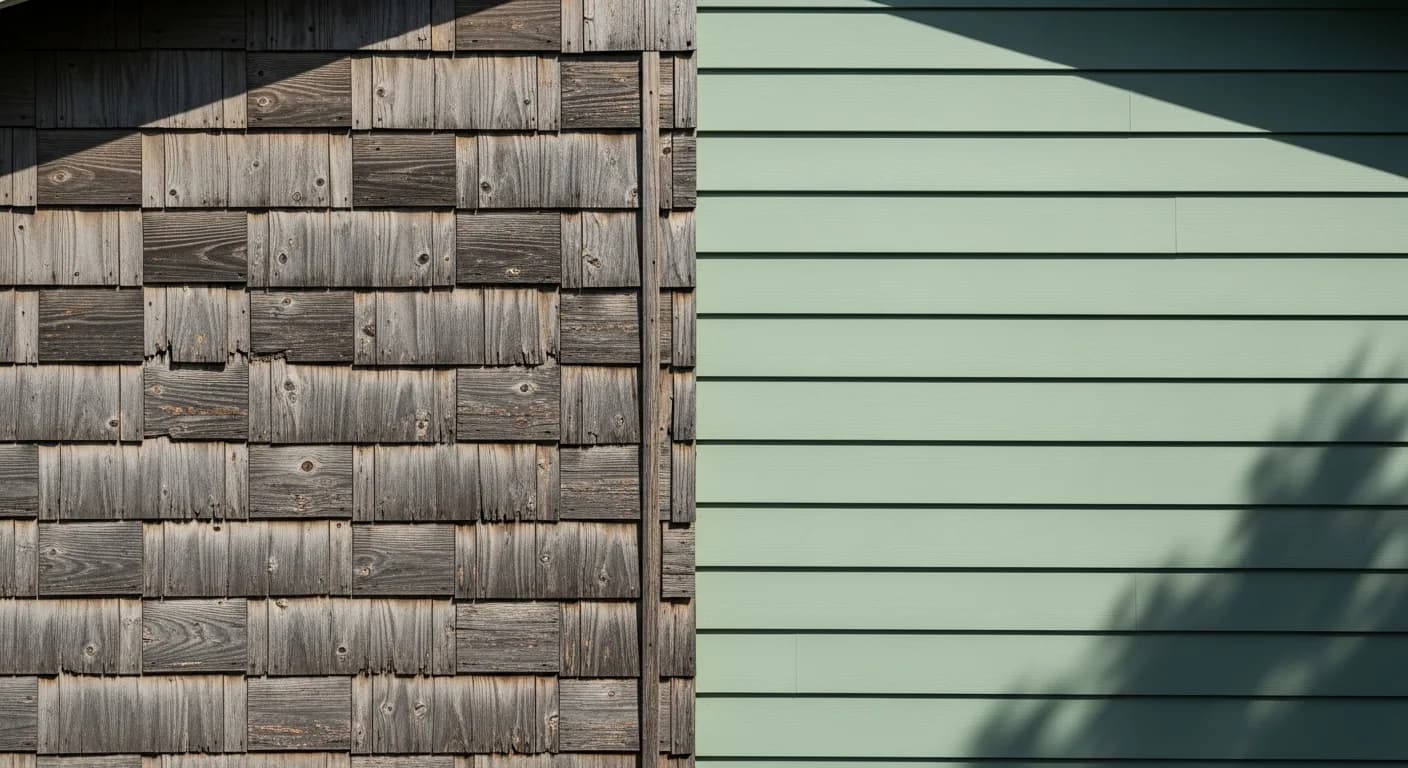
Mid-tone, fade-stable factory colors outperform deep saturated field-painted tones in valley UV. We steer Sacramento homeowners toward baked finishes and away from the darkest colors on full-sun elevations unless the product's fade warranty specifically supports it.
What a quality Sacramento re-side costs
Pricing turns on home size and stories, trim and profile complexity, substrate condition found at tear-off, window integration, and finish selection — not a flat per-square-foot quote. See the linked Sacramento siding-cost guide for realistic ranges; the key point is judging cost over a 30-year horizon, since the cheapest material is rarely the cheapest exterior here.
How the suburbs differ
Roseville, Folsom, Rocklin and the like share the valley-heat profile but the foothill edge (Folsom toward El Dorado, Auburn, the wildland-adjacent parcels) adds genuine fire exposure that changes the spec to hardened non-combustible. Flat Sacramento is heat-and-UV-led; we assess where a specific address actually sits rather than applying one citywide answer.
It's the system, not just the board
As across every guide here: the weather-resistive barrier, flashing, clearances, and fastening behind the cladding determine how long a Sacramento wall lasts. Good fiber cement over an under-detailed assembly still fails early in this heat.
Sacramento's neighborhoods and what they ask of a re-side
Sacramento is really several re-side markets in one city, and the right approach changes block to block. The 1920s Land Park and East Sacramento Tudors and bungalows want a period-sensitive narrow-reveal lap and faithful trim that respects the architecture; dropping a generic modern profile on them reads wrong and can hurt resale in those character-conscious neighborhoods. The postwar Arden and Pocket ranch homes take a clean, modest update well. The Natomas and North Sacramento production tracts are the opposite case — a modern lap-and-batten program that breaks builder uniformity is the win there. And the central-grid Victorians demand the most careful, craftsmanship-driven detailing of all. A quality Sacramento re-side starts by reading which of these the home is, not by applying one citywide template.
HOA and permit realities in the Sacramento area
Two non-construction factors shape the Sacramento timeline more than homeowners expect. First, the master-planned tracts that ring the city — much of Natomas, North Natomas, and the newer suburban edges — carry HOA architectural review that governs color and profile, and a submittal that isn't handled up front can stall a project for weeks regardless of how fast the crew is. Second, a substantial re-side pulls a city or county building permit, and on older central-city homes that can surface other items at inspection. A contractor who handles the HOA submittal and the permit as part of the job, rather than leaving them to the owner, is the difference between a project that starts on schedule and one that waits on paperwork while the materials sit in the driveway.
Maintenance and the repaint clock in valley heat
Even the best Sacramento exterior has a finish clock, and understanding it protects the investment. The reason fiber cement with a factory-baked finish is the valley standard is precisely that it resets that clock far longer than field paint, which fades and chalks fast on the south and west elevations that take the worst afternoon load. To stretch the finish, the simple moves matter: an annual rinse to clear the dust and pollen that bake onto the surface, prompt re-caulking at joints before water finds a path, and a conservative repaint or refresh on the sun-facing elevations a few years before the shaded sides need it. Done that way, a Sacramento re-side is a structural decision made once and a light finish-maintenance routine after — not a recurring repaint-and-repair cycle.
Insulation, sheathing, and the layers behind the board
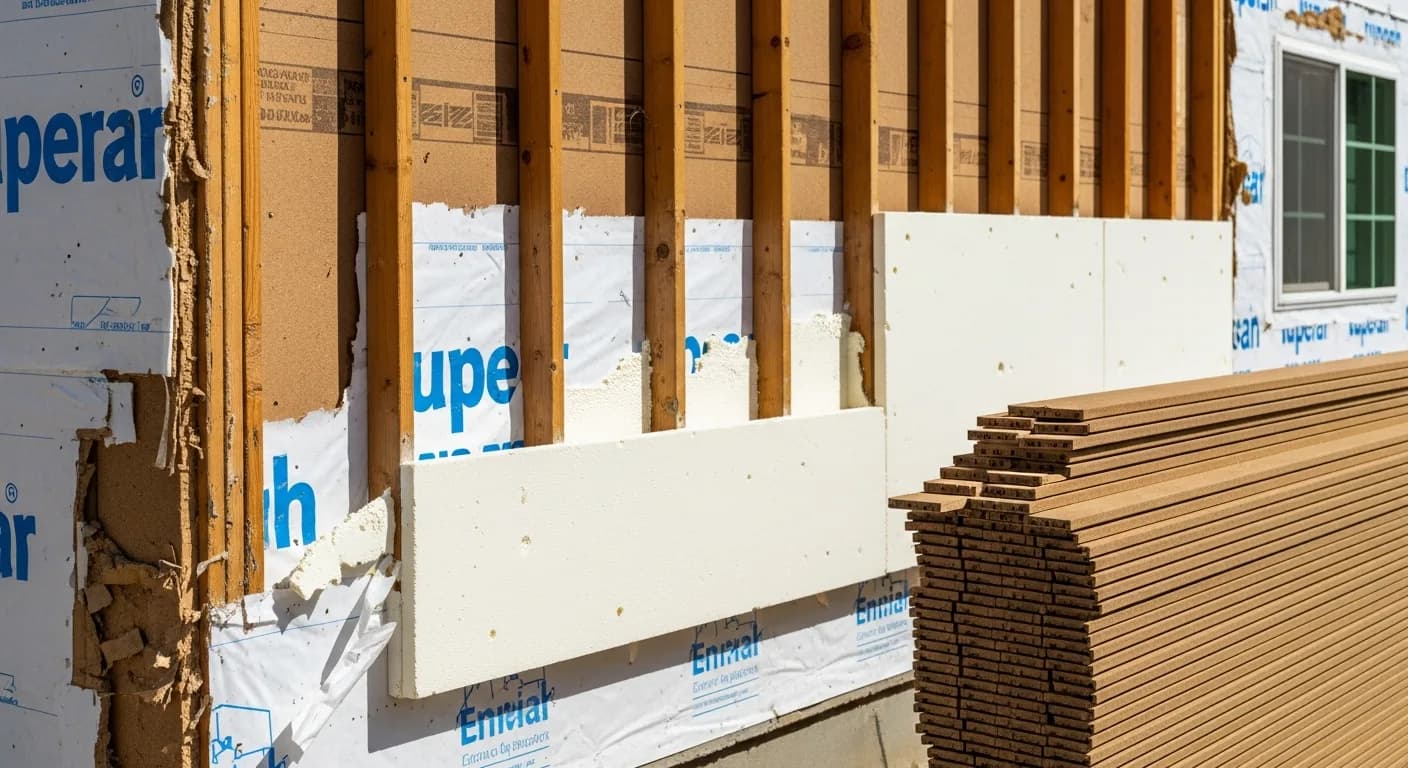
A Sacramento re-side is the one moment you can fix everything hidden behind the cladding, so plan the assembly, not just the surface. Once the old boards come off, you can inspect the wall for dry rot at sills and around windows, add or replace a weather-resistive barrier, and integrate flashing the way it should have been done originally. Continuous exterior insulation is worth a hard look here. A layer of rigid foam over the studs interrupts thermal bridging, so the framing itself stops acting as a heat conduit into the house during 100-degree afternoons. That single move often does more for summer comfort than any color choice. Pair it with proper air sealing at penetrations and you reduce the load on your cooling system measurably. The trade-off is wall thickness: added insulation pushes the cladding plane outward, which means window jamb extensions, deeper trim, and revised flashing details. None of that is hard, but it must be drawn before demolition so the crew orders the right trim depths. If you are weighing whether to upgrade insulation now, see how it fits the broader spend in our siding cost in California breakdown, and confirm any added R-value claims against ENERGY STAR guidance for the climate zone.
Vetting a siding contractor in the Sacramento market
The board you pick matters less than the hands that install it, and the Sacramento market has a wide quality spread. Start by verifying licensure: every contractor bidding a re-side here should hold an active California license, which you can check in seconds through the Contractors State License Board lookup, along with workers' compensation coverage if they have employees. Ask each bidder how they handle the details that actually fail in valley heat: expansion gaps, fastener type, and flashing at horizontal transitions, because vague answers signal a crew that installs by habit rather than spec. A trustworthy bid itemizes the cladding product line, the underlayment, trim, and the labor separately, so you can compare apples to apples instead of one lump sum. Be wary of quotes that are dramatically lower than the rest; they usually skip the weather barrier upgrade or reuse questionable flashing. Request addresses of completed local jobs a few summers old, since heat damage shows up over time, not on day one. Confirm who carries the manufacturer warranty paperwork and whether installation follows the maker's printed instructions, a requirement for most fiber cement coverage. Get the payment schedule in writing and resist large upfront deposits; tying progress payments to completed milestones keeps a crew motivated and protects you if the relationship sours mid-project. When you are ready to compare scope side by side, you can start with a project walkthrough through our free estimate form.
Stucco, brick, and the re-side decisions Sacramento homes actually face
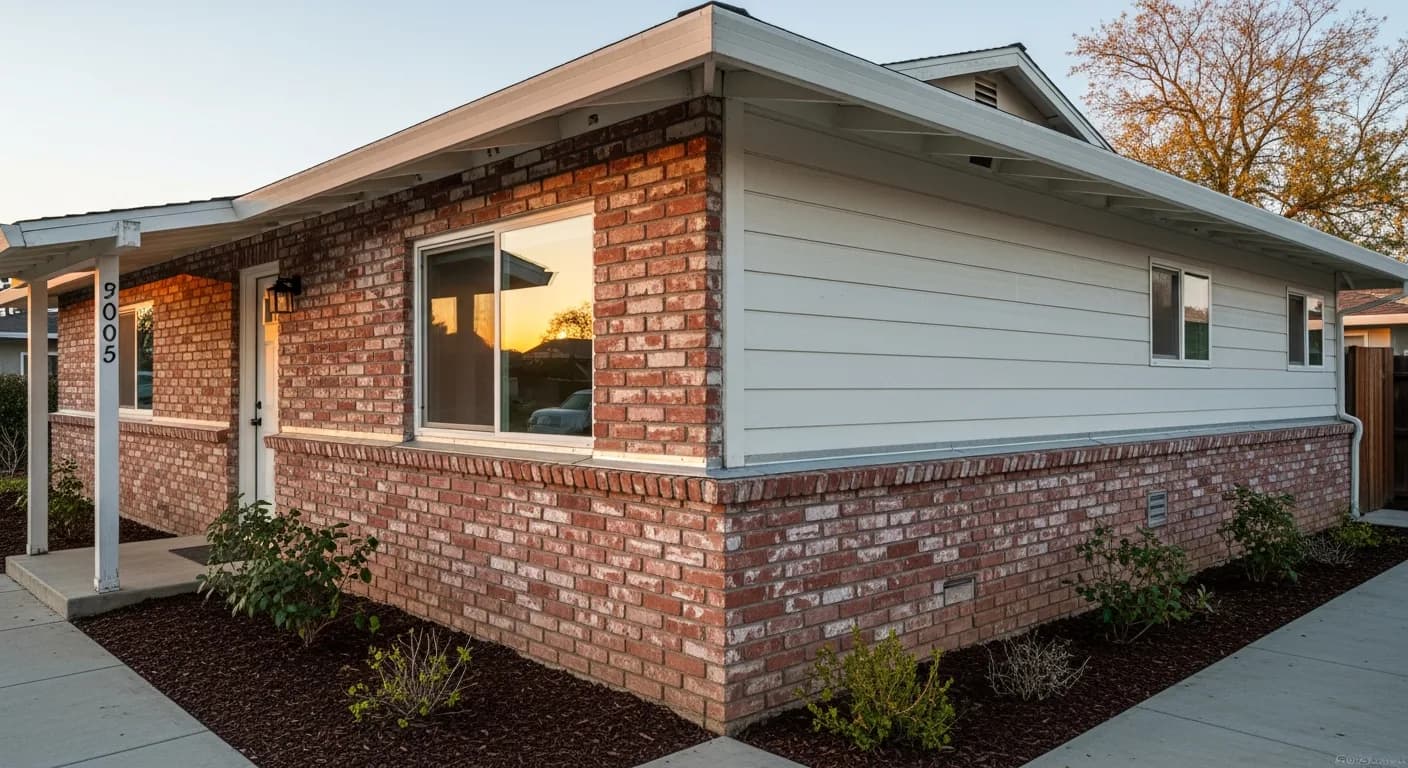
Many Sacramento homes are not clad in lap siding at all, and the right move depends on what is already on the wall. Plenty of postwar and tract houses wear three-coat stucco, which handles UV well but cracks along stress lines as the structure moves and can trap moisture if it was applied over a failed barrier. You can patch and recoat stucco, but if it is delaminating or hiding rot, furring out and overlaying with a vented cladding is often the more durable answer. Other homes mix brick veneer on the front with siding on the sides and rear, which creates transition details that demand careful flashing where the two materials meet. T1-11 plywood siding, common on older valley homes and outbuildings, is the material most punished by sustained sun; its grooves check and its edges swell, and it rarely justifies another repaint cycle. When you are replacing a wood-based product, fiber cement is usually the upgrade that ends the maintenance treadmill, and you can read the specifics in our fiber cement siding overview. If your home blends materials, plan the re-side around the worst-performing elevation first rather than treating every wall the same, because the sun side sets the replacement clock. Mixing cladding types also affects resale appeal, so think about how the finished elevations read from the street before you commit to a partial replacement.
Sequencing the project and protecting the timeline
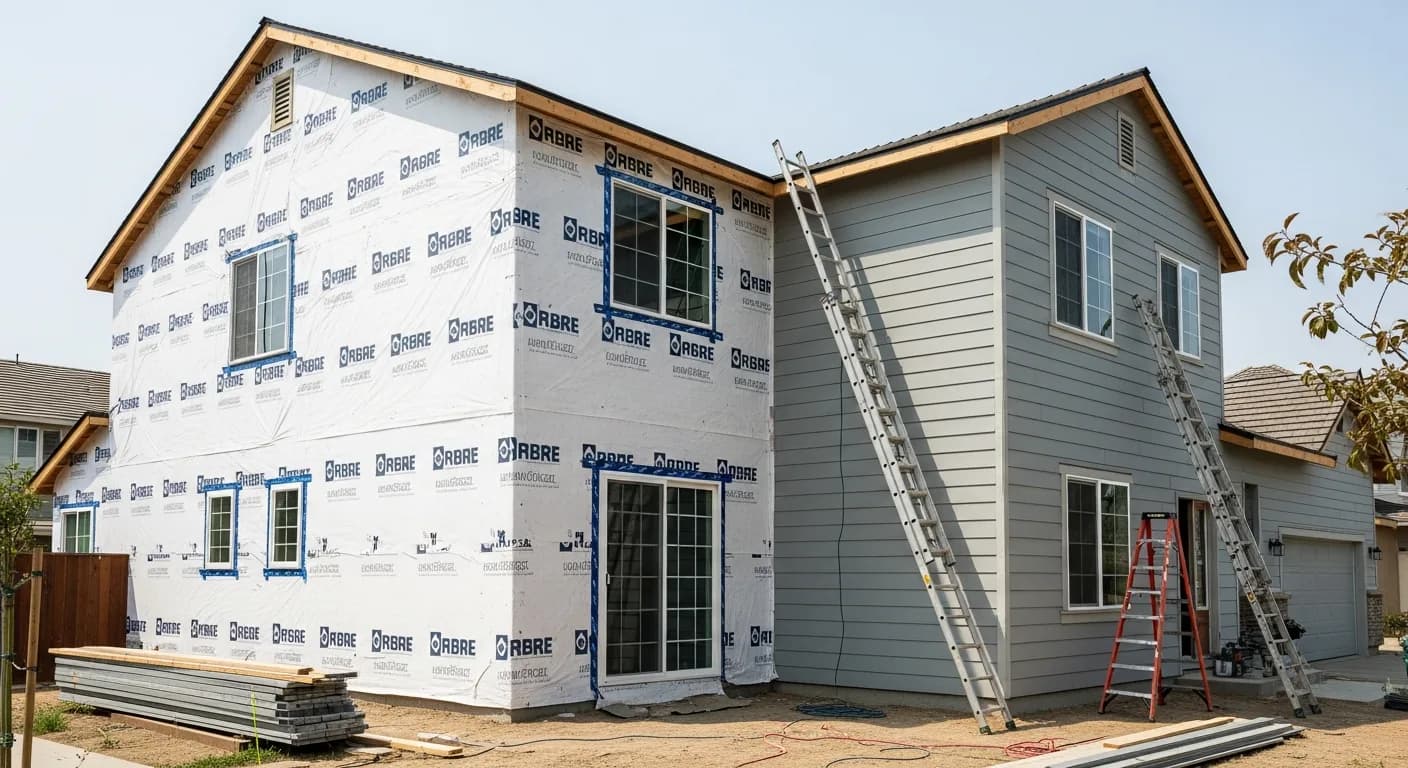
A Sacramento re-side is a multi-week project, and how it is sequenced affects both cost and your home's exposure to weather. Most full re-sides run roughly one to three weeks depending on square footage, story count, and how much rot repair surfaces once the old cladding comes off. The smart schedule targets late spring or early fall, avoiding both the worst July heat, which makes caulk and paint cure unpredictably, and the short rainy windows of winter, when an open wall is a liability. Crews typically work one elevation at a time so the structure is never fully exposed overnight, dried in with housewrap before boards go up. Expect a realistic contingency in the bid for hidden repairs; sills, band joists, and window pans are common surprises on older valley homes, and a contractor who pretends none will appear has not opened enough walls. Painting and caulking should follow the manufacturer's temperature window, which in Sacramento can mean scheduling those steps for morning hours during a heat wave. Dust, debris, and old-cladding disposal should be spelled out, especially if the original material predates modern testing and warrants a hazardous-material check. Walk the perimeter with the crew lead before work starts to flag irrigation lines, gas meters, and AC condensers that need protection, and confirm how the site gets secured each evening so an exposed wall is never left open to a surprise overnight storm. Building the timeline around weather and inspections up front prevents the mid-job stalls that inflate the final invoice.
Sacramento exterior priorities by home era
| Home type | Primary concern | Direction |
|---|---|---|
| Land Park / East Sac character | Period fidelity + heat | Narrow-exposure profiles, era-true ColorPlus |
| Postwar ranch | Sun-load + dated look | Lap + batten accents, stable color |
| 2000s tract | Builder-grade aging | Durable re-clad, end repaint cycle |
| River/Pocket edge | Added damp | Extra drainage-plane attention |
Key takeaways
- UV and large thermal swings — not moisture — are Sacramento's main exterior stressors
- Factory-baked fiber cement finishes hold color far longer than field paint here
- South/west elevations and dark colors age fastest and need the most conservative spec
- Expansion gapping, fastening, and clearances are where heat-rushed installs fail
- Re-side is the right moment to fix single-pane window heat-gain
- Flat Sacramento is low-fire; the foothill suburbs add real wildfire exposure
- Judge a Sacramento re-side on 30-year cost, not sticker price
FAQ
Quick Answers
A correctly installed fiber cement system commonly performs 30+ years structurally; sun-facing finishes may want a refresh sooner depending on color and exposure.
Fade-resistant factory-finished fiber cement (e.g., James Hardie HZ10 with baked ColorPlus-type color) — it resists UV and thermal cycling far better than field-painted wood or lower-grade vinyl.
South and west elevations take the most UV and thermal movement; field finishes break down and under-gapped joints crack there first. It's an exposure-and-detailing issue, not bad luck.
Flat Sacramento is low wildfire exposure, so it's a low-regret default rather than a necessity — but the fiber cement we recommend for heat is already non-combustible, so you get it free. Foothill-edge suburbs are different and assessed by parcel.
Usually yes — original single-pane units are the biggest summer heat-gain source, and correct flashing is only fully achievable while the cladding is off.
It depends on size, stories, trim complexity, substrate condition, and window integration; see the linked Sacramento siding-cost guide for ranges. Evaluate it over a 30-year horizon.
On full-sun south/west elevations, deep field-painted tones fade and heat-stress fastest; baked factory colors with a strong fade warranty are far safer if you want a darker look.
Sources
Authoritative references
- James Hardie — official product & installation resources
- California Energy Commission — Title 24 Building Energy Efficiency Standards
- Contractors State License Board (CSLB) — verify a California contractor
External links to government, code, and manufacturer sources. Sierra Siding is not affiliated with these organizations; references are provided for verification.