Why homeowners choose this with Sierra Siding
- A Class A non-combustible exterior that gives wildfire-exposed foothill and Tahoe homes real, code-relevant protection
- A complete weather-managed wall assembly, not just boards screwed to sheathing, so the system actually dries and lasts
- Climate-matched material, fastening, and finish specified for your exact NorCal microclimate
- Factory-baked color that resists valley UV fade far longer than field paint, lowering your long-term repaint cost
- Stable boards that resist warping, cracking, swelling, and pest damage through hot, wet, and freeze-thaw seasons
- One written scope from estimate to walkthrough so you know exactly what is installed and what is not
How we install fiber cement as a system
We treat fiber cement as a wall assembly, not a product you nail to a house. Before a single board goes up, we inspect the sheathing, repair rot, and install a continuous weather-resistive barrier. Then we flash every window, door, and penetration in the correct shingle-lap order so water is directed out and down, never trapped behind the cladding. We hold manufacturer-required clearances at the ground, roof, and decks, maintain proper gaps at butt joints, and fasten on layout to the published nailing schedule. Finally we detail the joints, trim transitions, and caulk lines so the finished wall both sheds water and reads clean. The boards are only as good as what sits behind and around them, and that detailing is where we focus.
What our scope includes — and what cheap bids leave out
A low bid usually wins by deleting the parts you cannot see. Our written scope spells out tear-off and disposal of the old cladding, sheathing and substrate repair, the weather-resistive barrier, all flashing and trim, fasteners rated for the material, sealants, and a final paint or touch-up pass on factory finishes. Cut-rate bids often skip the barrier, reuse failing flashing, butt boards tight with no gap, or caulk over problems instead of flashing them. Those shortcuts are invisible on install day and expensive five years later when moisture finds the gaps. We put the full assembly in writing so you are comparing the same work across bids, not a number against an unknown.
The material vs. the brand
Fiber cement is the material category; the brand is a separate decision. Most California fiber cement is James Hardie®, whose HZ10 line is formulated for hot, dry Western climates — we install it as our primary brand and cover its specific products, factory color finishes, and warranty in depth on our dedicated James Hardie siding page. But the brand matters less than the assembly: any quality fiber cement detailed to the same gap, fastening, clearance, and flashing standard performs similarly. We help you pick the profile and brand that fit your home and budget, explain the real trade-offs honestly, then install whatever you choose as a complete weather-managed system rather than boards on a wall.
Choosing the right profile for your home
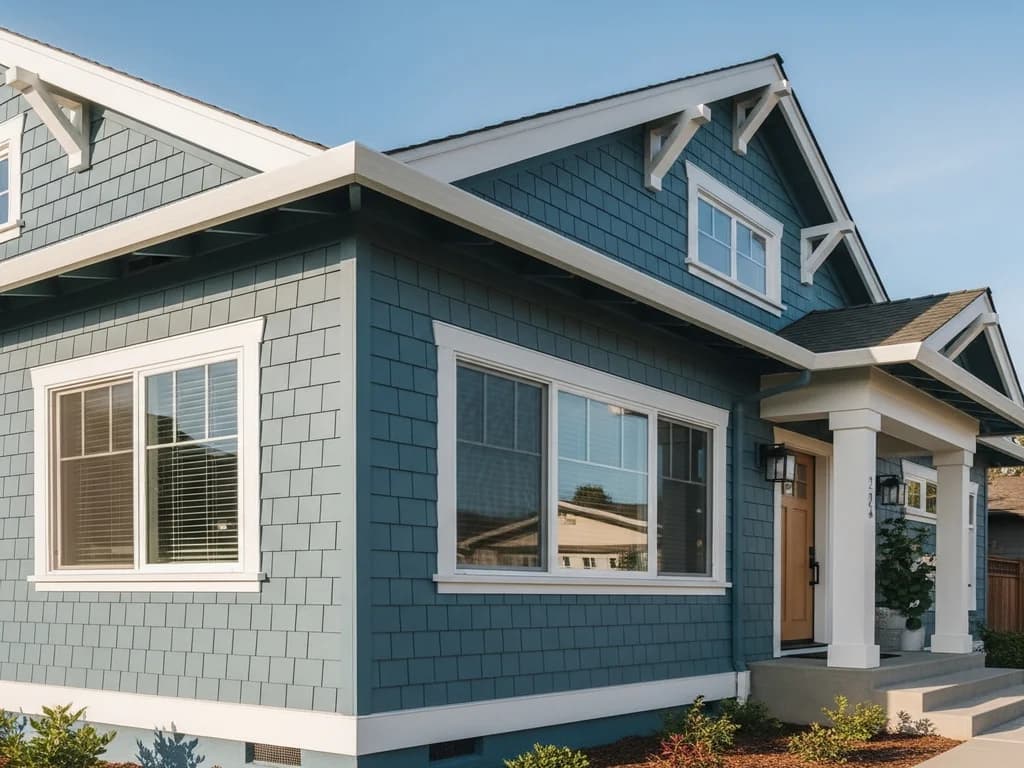
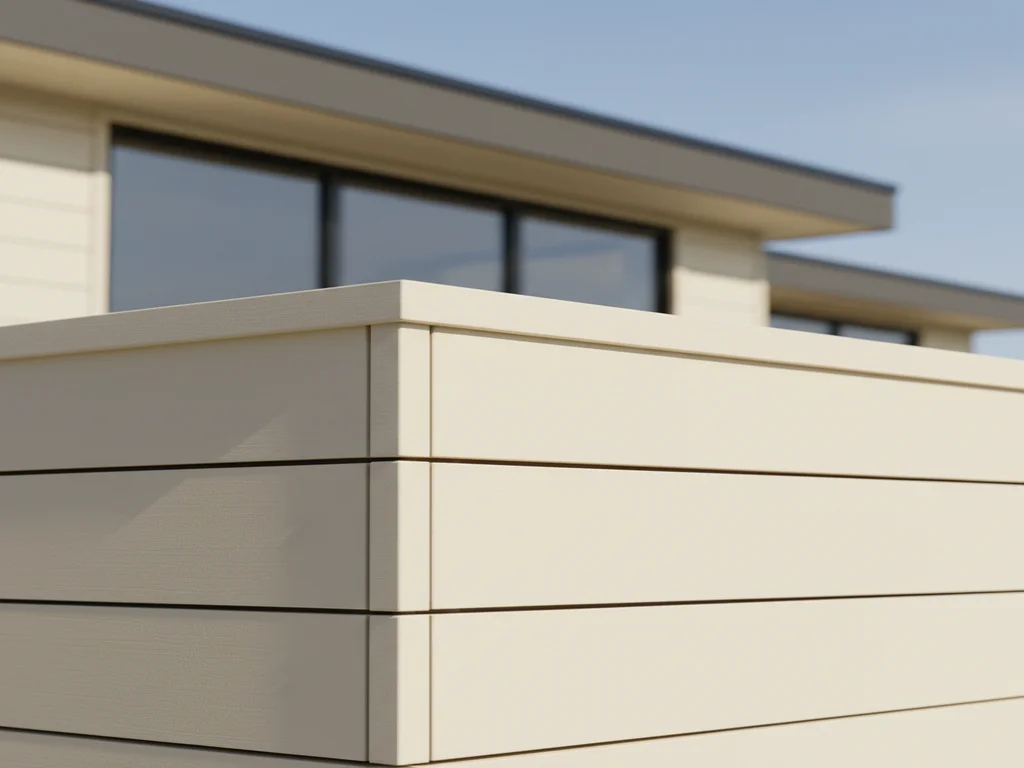
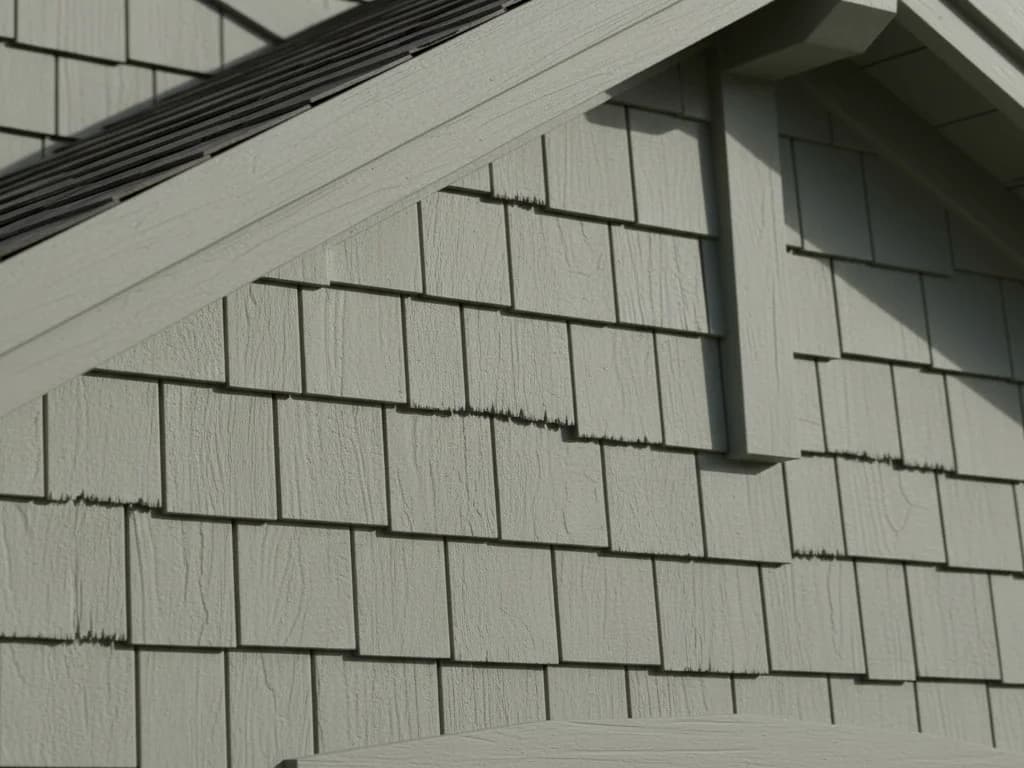
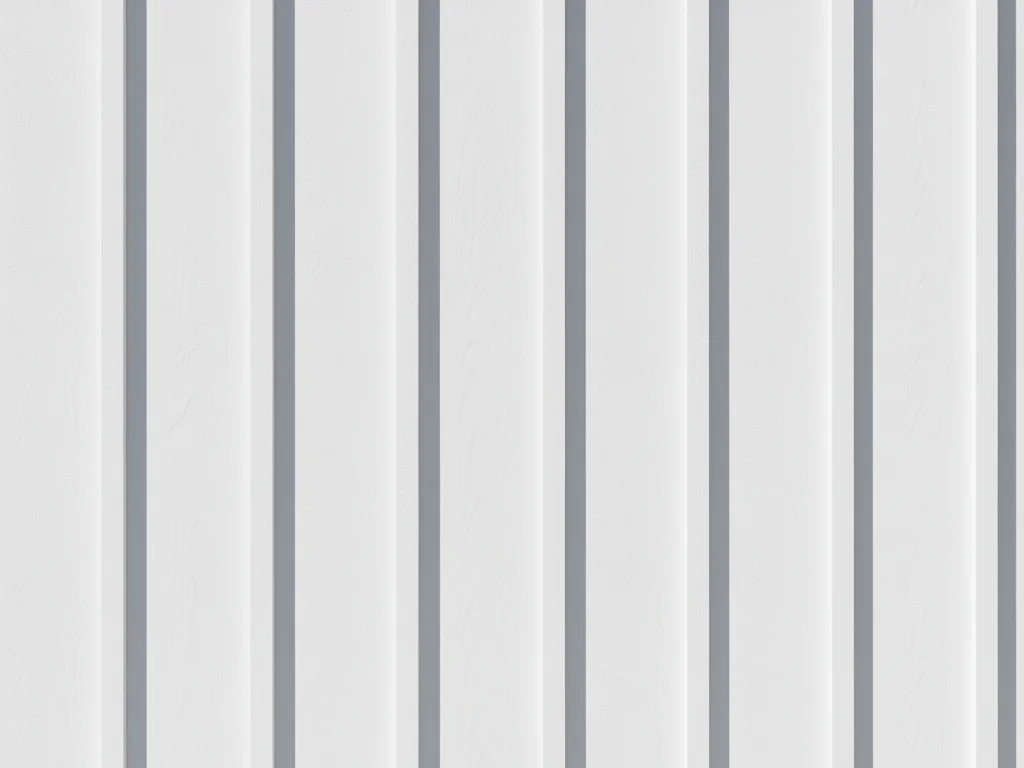
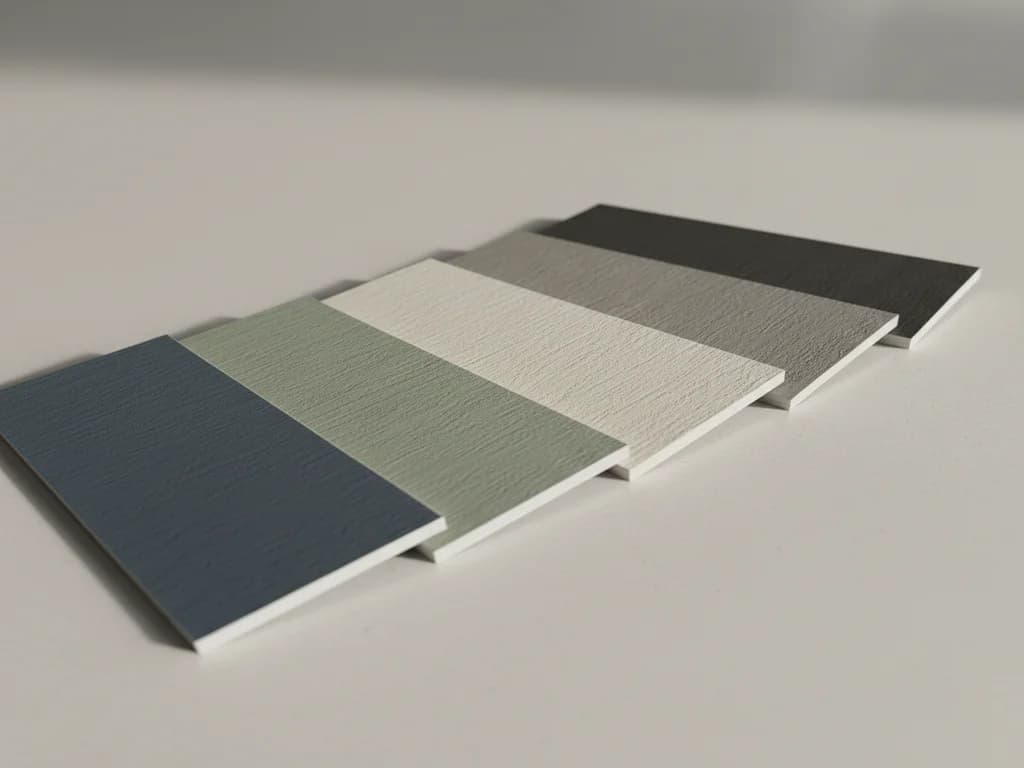
Fiber cement comes in several profiles, and the right one is part architecture, part climate. Horizontal lap is the workhorse — classic boards in smooth or cedar-mill texture that suit craftsman and traditional NorCal exteriors. Shingle and shake panels deliver cedar character without the combustibility or upkeep, perfect for gables and accent walls. Vertical panel and board-and-batten reads modern-farmhouse and breaks up large facades. We also offer factory-baked color finishes that beat field paint under valley sun, and for lower-fire parcels where homeowners want authentic wood grain, an engineered-wood alternative. On site we walk the elevations with you and recommend a profile mix that fits the home's lines, the neighborhood, and how exposed the walls are to weather.
Specified for your NorCal microclimate
Sacramento Valley heat, foothill wildfire exposure, Tahoe freeze-thaw, and Bay Area coastal fog each stress an exterior differently, and we spec accordingly instead of repeating one default everywhere. In the valley we prioritize UV-stable factory finishes and proper expansion so summer heat does not telegraph through the wall. In wildfire country we lean on the material's non-combustible rating and detail eaves, vents, and clearances with ignition resistance in mind. Around the lake we plan for snow load at grade and moisture from melt cycles. On the coast we focus on relentless humidity and salt-laden air with extra attention to drying and corrosion-rated fasteners. Where your home sits drives the recommendation — that is the whole point of an on-site assessment.
Why Sierra Siding — and an honest word on cost
Our crews bring 20 years of combined exterior experience and are trained on manufacturer best practices, so the details that decide a siding job's lifespan get done the first time. We manage each project with clear communication from the written estimate through the final walkthrough, and we will tell you honestly when a repair makes more sense than a full replacement, or when a profile you like will not suit your exposure. Fiber cement is not the cheapest cladding up front, and we will not pretend it is. What it buys is decades of low-maintenance, fire-resistant, fade-resistant performance — value that shows up over the life of the wall, not on bid day. Your written estimate governs the work.
The 2025 California WUI Code and fiber cement's Class A rating
The California code that most directly names fiber cement is the standalone 2025 California Wildland-Urban Interface Code, which took effect January 1, 2026 when Chapter 7A was deleted from the Building Code and its exterior-wall provisions moved into the new WUI Code. On parcels designated in California's 2025 Local Responsibility Area Fire Hazard Severity Zone map — a first comprehensive revision since 2007 — the WUI Code requires non-combustible or ignition-resistant cladding, plus hardened eaves, vents, and Zone 0 ground-to-wall detailing. Fiber cement's Class A non-combustible rating (ASTM E136) is the material category the code treats as compliant on that requirement, which is why we specify it as the default across our foothill, Tahoe basin, wine-country, and wildfire-adjacent Bay markets — see our full framework in the California siding code and fire-zone reference. In valley and coastal markets where the WUI Code does not directly apply, fiber cement is still the default because its heat-and-UV durability, moisture resilience, and non-combustibility are all real regardless of code trigger.
The utility, permit, and heritage-overlay map behind our scopes
Every fiber cement project we run coordinates with specific municipal or district authorities — a detail our city hubs document in full. On electric: SMUD in Sacramento County, Roseville Electric in Roseville, the City of Palo Alto Utilities (CPAU) in Palo Alto, Modesto Irrigation District (MID) in Modesto, Redding Electric Utility (REU) in Redding, Healdsburg Electric, Lodi Electric, Liberty Utilities across the California Tahoe basin, and PG&E most everywhere else. On water: PCWA across the Placer foothills, NID in Nevada County, EID in El Dorado, TDPUD in Truckee, TCPUD and NTPUD across the North Shore, MMWD across most of Marin, San Juan Water District in Granite Bay, Cal-Am on the Monterey Peninsula, and city water elsewhere. On permits and heritage overlays, our city hubs name the specific historic districts (Sacramento's Boulevard Park, Santa Rosa's McDonald Avenue, Napa's downtown, Placerville's Old Hangtown, Auburn's Old Town — California Historical Landmark #404) and HOA architectural committees (Serrano and Blackstone in El Dorado Hills, Sun City Lincoln Hills, Lake of the Pines / Lake Wildwood, Whitney Oaks in Rocklin, Highland Reserve in Roseville) that govern approval workflow. We flag applicable authorities at estimate stage rather than at the wall.
Materials & Product Options
Systems We Install
Manufacturer links open in a new tab. Sierra Siding is an independent installer; product names and trademarks belong to their respective owners.
FAQ
Common Questions
This page covers fiber cement as a material category — the profiles, the weather-managed assembly, and why the material performs in California. James Hardie is the specific brand we install most often, and our James Hardie page goes deep on its products, factory color finishes, HZ10 engineering, and warranty. If you already know you want Hardie, start there; if you are weighing fiber cement in general, this is the right page.
Properly installed fiber cement commonly performs for 30 to 50 years in our climates. Longevity depends far more on the installation — the weather-resistive barrier, flashing, gaps, and clearances — than on the boards themselves. That detailing is exactly where our scope is most rigorous, and it is what separates siding that ages well from siding that fails early.
Up front it costs more than vinyl and roughly tracks with quality wood, and we will not tell you otherwise. The return comes over time: it is non-combustible, holds factory color through valley UV far longer than field-painted wood, and resists warping, rot, and pests. For a home you plan to keep, the lower maintenance and fire resistance usually justify the premium, but we will give you an honest read for your situation.
Sometimes, but we do not assume it. We assess the substrate, wall thickness, window and door depths, and the condition of what is already there during the on-site visit. In most cases a full tear-off lets us inspect the sheathing, install a proper weather barrier, and flash everything correctly — which is the right way to get the lifespan the material is capable of. Your written estimate will state exactly which approach we recommend and why.
We start with an on-site assessment to measure, check the substrate, and discuss profiles and finish. You receive a clear written estimate that spells out the full scope. On install we tear off, repair the substrate, install the barrier and flashing, hang and fasten the boards on layout, then detail trim, joints, and finish. We close with a walkthrough so you can confirm the work before final sign-off.
Yes. Fiber cement is non-combustible and carries a Class A fire rating, which makes it one of the leading cladding choices for homes in wildfire-exposed foothill and Tahoe areas. The rating is the material's, but ignition resistance also depends on how eaves, vents, and ground clearances are detailed — all of which we address as part of the install. For a fire-first conversation, our fire-resistant siding page goes further.
Keep Exploring
Related services, guides & areas
Explore
Related Services
Helpful Exterior Guides
Resources
- Siding Types for California Homes
- What Siding Costs in California
- James Hardie Board: The Complete Guide
- What Siding Replacement Costs in Sacramento
- What Siding Replacement Costs in San Jose
- What Siding Replacement Costs in Roseville
- What Siding Replacement Costs in Santa Rosa
- What Siding Replacement Costs in Folsom
- What Siding Replacement Costs in Auburn
Popular Service Areas
Fiber Cement Siding near you
- Fiber Cement Siding in Roseville
- Sacramento fiber cement siding
- Fiber Cement Siding — Santa Rosa, CA
- San Jose fiber cement siding contractor
- Fiber Cement Siding for Elk Grove
- Fiber Cement Siding in Stockton
- Fairfield fiber cement siding
- Fiber Cement Siding — Vallejo, CA
- Salinas fiber cement siding contractor
- Fiber Cement Siding for Folsom
- Fiber Cement Siding in El Dorado Hills
- Truckee fiber cement siding