Why homeowners choose this with Sierra Siding
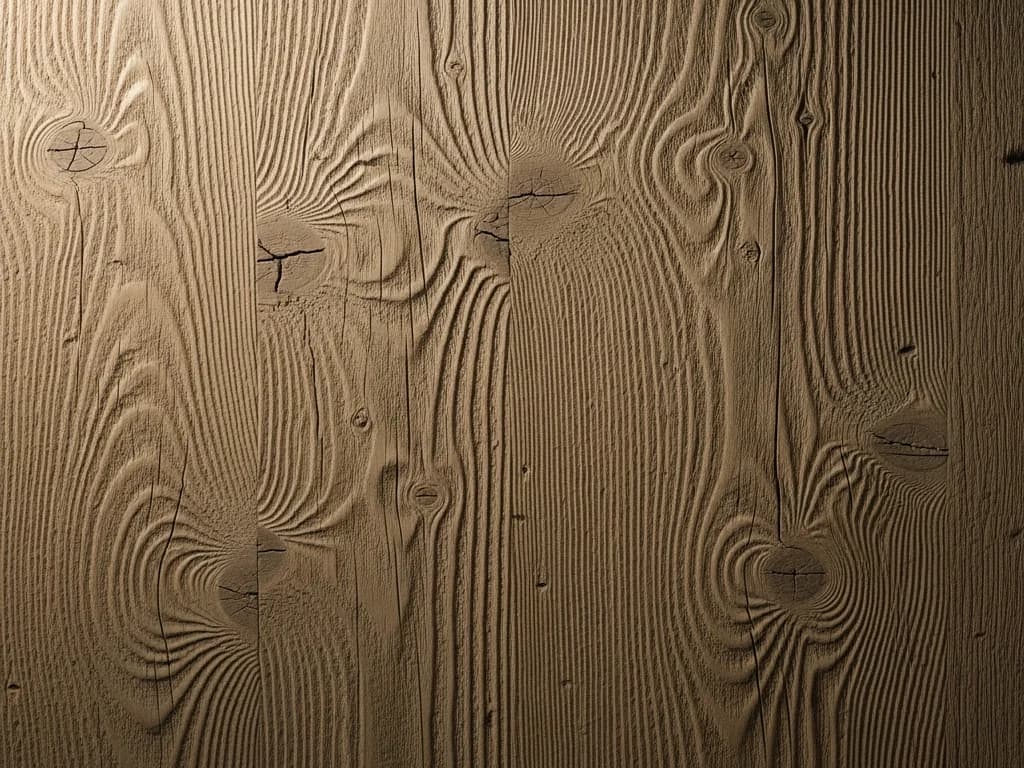
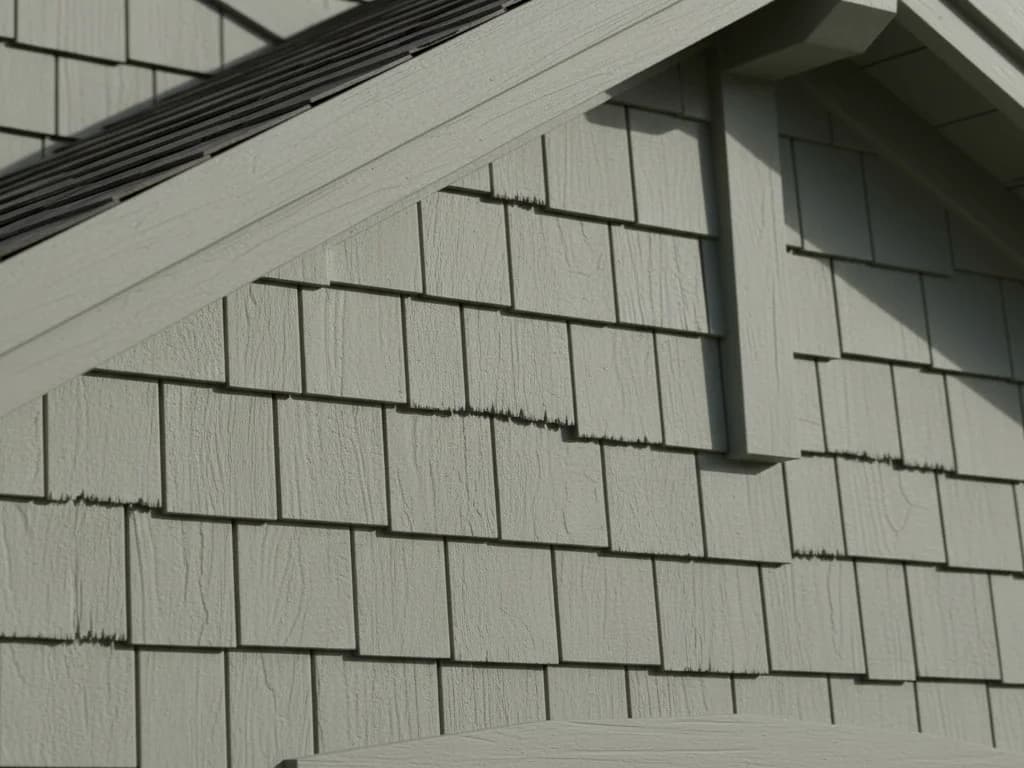
- Authentic deep wood-grain texture and dimension that reads like real cedar on the wall
- SmartGuard treated-strand engineering that resists fungal decay, swelling, and termites
- Lighter, faster handling than fiber cement on many homes, which keeps the install tidy
- Long boards that reduce seams and butt joints for a cleaner elevation
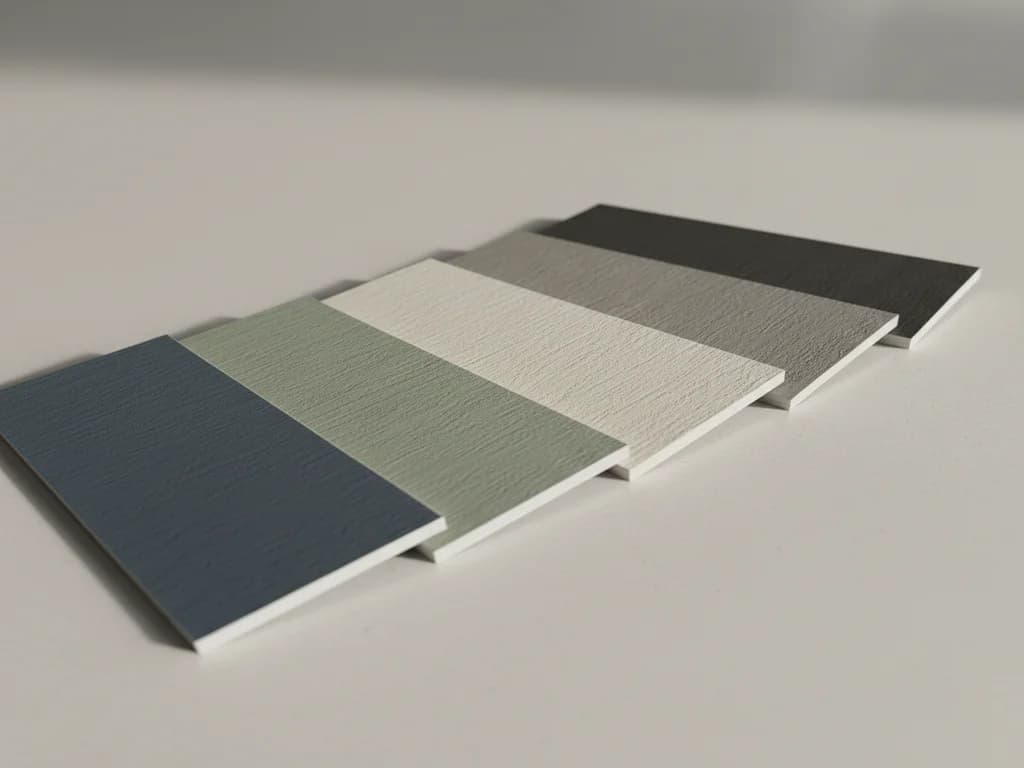
- Outstanding paint adhesion, so your custom or factory-prefinished color holds true
- Installed by a crew with 20 years combined experience and water-managed detailing
How we install LP SmartSide
We start by removing the old cladding and inspecting the sheathing, then correct any soft or rotted areas before new siding goes up. We install a continuous weather-resistive barrier and integrate it with window and door flashing so water always sheds outward and down. SmartSide lap is hung on a chalked layout with the manufacturer's specified fastener pattern, leaving the gaps and clearances engineered wood needs to breathe. Every field cut gets sealed at the end grain, which is where untreated edges fail first. Inside and outside corners, trim, and transitions are detailed for a finished look. The result is a tight, intentional install rather than boards simply nailed to a wall.
What our scope includes
Our written estimate spells out tear-off and disposal, sheathing repair allowances, the weather barrier, all flashing, fasteners, trim, caulking, and finish so you can see exactly what you are buying. Cheap bids often skip the housewrap, reuse old flashing, ignore end-grain sealing, or leave you to handle paint and cleanup separately. We name those items on paper instead of hiding them. We also note ground and roof clearances, where we will protect your landscaping, and how we stage debris. When a bid looks suspiciously low, it usually omits the steps that make engineered wood last, and we are happy to walk you through the difference line by line.
Climate-matched specification for Northern California
Engineered wood rewards smart material choices for your exposure, so we spec for the site, not a catalog. In the hot Sacramento Valley we favor factory-prefinished ExpertFinish or premium paint to handle UV and heat cycling that fade lesser coatings. In foothill and coastal zones where moisture lingers, we tighten flashing, raise ground clearance, and seal cuts aggressively to keep water out. In wildfire-exposed foothill and alpine areas, we are direct: engineered wood is combustible, and we will often steer you toward fiber cement instead. Matching the product and detailing to valley heat, foothill conditions, or coastal damp is the difference between siding that ages well and siding that disappoints.
Our process from estimate to walkthrough
It begins with an on-site visit where we measure, check the sheathing and existing flashing, and discuss profiles like lap, panel-and-batten, or shake accents. You receive a written estimate detailing scope, materials, and finish, and that document governs the job. Before we start we confirm color, schedule, and how we will protect your property. During installation we keep the site clean and update you on progress and any sheathing surprises we uncover. We finish with caulking, touch-ups, and a final walkthrough where we review the work with you together. Nothing is considered done until you have seen it up close and signed off.
Why homeowners hire Sierra Siding for SmartSide
We treat engineered wood as a system, not just a product, and our 20 years of combined experience shows in the detailing most crews rush. We sequence the barrier, flashing, fasteners, and end-grain sealing the way the manufacturer intends, because that sequence is what determines how long the siding lasts. We scope honestly on site, put the full plan in writing, and tell you plainly when SmartSide is the right warm wood look for your home and when it is not. You get a single accountable team across Sacramento, Tahoe, and the Bay Area, clear communication, and a finished exterior that looks like real wood without the upkeep of real wood.
Honest answers before you commit
We would rather lose a bid than oversell a material that is wrong for your site, so we give straight guidance up front. Engineered wood is combustible, so in high wildfire exposure we usually recommend fiber cement and will explain why. SmartSide performs for decades when installed and maintained correctly, though fiber cement generally offers a longer hands-off life in the harshest exposures. If your sheathing has hidden damage, we will show you and quote the repair rather than cover it. Your written estimate is the agreement we both work from, and we put any changes in writing before we proceed.
Where SmartSide is appropriate — and where it is not
SmartSide is a combustible wood-based cladding, so the honest map of where we recommend it is genuinely constrained. It fits well in low-FHSZ valley and Bay markets where wildfire exposure is minimal and the deep wood grain earns its keep: Sacramento, Roseville, Rocklin flat, Elk Grove, Folsom valley-floor, Davis, Chico, Modesto, Stockton, Yuba City, Lodi, Tracy, Lincoln (Sun City side), San Jose flatlands, Sunnyvale, Santa Clara, Mountain View, Campbell, most of Palo Alto, Los Altos, Milpitas, and the flat parts of Livermore/Pleasanton. We do not recommend SmartSide on any of the foothill and Tahoe communities the city hubs enumerate as Moderate-to-Very-High FHSZ — Auburn, Loomis, Meadow Vista, Colfax, Newcastle, Penryn, Applegate, Weimar, Foresthill, Cameron Park, Placerville, Pollock Pines, Diamond Springs, Georgetown, Cool, Camino, Coloma, Pilot Hill, Somerset, Grizzly Flats, Grass Valley, Nevada City, Alta Sierra, Cedar Ridge, Chicago Park, Truckee, South Lake Tahoe, Kings Beach, Tahoe City, Serene Lakes, Homewood, Northstar, Paradise, Mariposa — where the 2025 California Wildland-Urban Interface Code generally requires non-combustible cladding on designated parcels. In wildfire-adjacent Bay markets (Los Gatos, Saratoga, Mill Valley, Kentfield, Ross, Novato, San Rafael, wine country, Aptos hills, Scotts Valley), we walk the actual parcel and its FHSZ designation with the homeowner rather than assume, and we lean toward fiber cement on any parcel with real exposure.
The permit, HOA, and paint-system framework behind a SmartSide install
Where SmartSide is appropriate, the same authority framework the city hubs enumerate governs the install. Permits go through the city building department for incorporated cities and through the county Community Development agency for unincorporated communities (Cameron Park, Meadow Vista, and other places where SmartSide may nonetheless apply on the low-risk pockets). Master-planned HOAs — Sun City Lincoln Hills, Whitney Oaks in Rocklin, Highland Reserve and Fiddyment Farm in Roseville, Empire Ranch and Broadstone in Folsom, Serrano and Blackstone in El Dorado Hills — govern approved profile, trim, and finish decisions, and SmartSide is usually acceptable within those palettes. On the finish side, SmartSide's ExpertFinish factory prefinish or a premium field paint system that respects the Hardie paint-peeling fix principles (100% acrylic, UV-rated, end-grain sealing on every field cut) is what determines whether the finish holds up in Sacramento Valley UV. We name the applicable authorities and the finish system in the estimate.
Materials & Product Options
Systems We Install
Manufacturer links open in a new tab. Sierra Siding is an independent installer; product names and trademarks belong to their respective owners.
FAQ
Common Questions
We install a continuous weather barrier, integrate flashing at every window and door, follow the specified fastener and clearance pattern, and seal all field-cut end grain. Those steps are where engineered wood succeeds or fails. We then match the finish to your exposure, favoring UV-tough prefinish or premium paint in the hot valley and tighter water detailing in damp foothill and coastal zones.
Our written estimate covers tear-off and disposal, sheathing repair allowances, the weather-resistive barrier, all flashing, fasteners, trim, caulking, and the finish. We name these items on paper so nothing is assumed. If a competing bid is much lower, it usually omits housewrap, flashing, or end-grain sealing, and we will gladly compare scopes with you.
Engineered wood is combustible, so in high wildfire-exposed foothill and alpine areas we typically recommend fiber cement instead. We assess your specific site and exposure before advising. If you love the warm wood look, we can discuss where SmartSide is appropriate and where a noncombustible material is the safer call.
With correct installation and maintenance, LP SmartSide performs well for decades and offers genuine wood-grain warmth. Fiber cement generally provides a longer, more hands-off life in harsh or high-moisture exposures. We will walk you through the trade-offs for your home so the choice fits your budget, look, and exposure honestly.
Yes. SmartSide takes paint exceptionally well, and factory-prefinished ExpertFinish options give a consistent low-maintenance color. We can also field-paint to a custom color for lap, panel-and-batten, or shake accents. We confirm the exact color and finish with you in writing before installation begins.
We inspect the sheathing during tear-off and stop to show you anything soft or damaged. We then quote the repair in writing before proceeding, so there are no surprises buried in the wall. Replacing failed sheathing first is what lets the new siding perform the way it should.
Keep Exploring
Related services, guides & areas
Helpful Exterior Guides