
5 min read · Cost
Sliding (glider) windows are one of the most common California window operations — easy to operate, screen-friendly, and well-suited to the wide horizontal openings found across postwar and tract architecture. Per-unit cost tracks closely with casement or double-hung in equivalent frame material. Here's the full cost picture, how sliders compare to other operations, and where they fit best.
The sliding window cost framework
A standard sliding window installed in California costs about the same per unit as a casement or double-hung in equivalent frame material, because the sash hardware is simpler but the glazing area and install effort are comparable. Frame material is the largest cost driver: vinyl is the value choice, fiberglass sits in the middle with better strength and finish options, and wood-clad is the premium for traditional or high-end applications. Glass package and size move the number from there. For the full per-unit picture and how it maps against other operations, our window replacement scope and the window frame materials guide lay out where each material lands and why.
How sliding compares to casement and double-hung
Sliding windows operate horizontally with no projection — the sash glides on a track and the screen sits outside, which keeps the unit flush with the wall. Casement windows hinge on the side and crank outward, giving the tightest compression seal when closed but projecting into walkways and patios, with the screen inside. Double-hung windows use two vertically operating sashes for a traditional read and flexible ventilation. Each has its place: the choice is partly aesthetic and partly functional. Sliders win where projection is awkward and easy operation matters; casement wins where seal and energy performance lead. None is universally better — fit to the opening and the architecture decides it.
Where sliding fits best
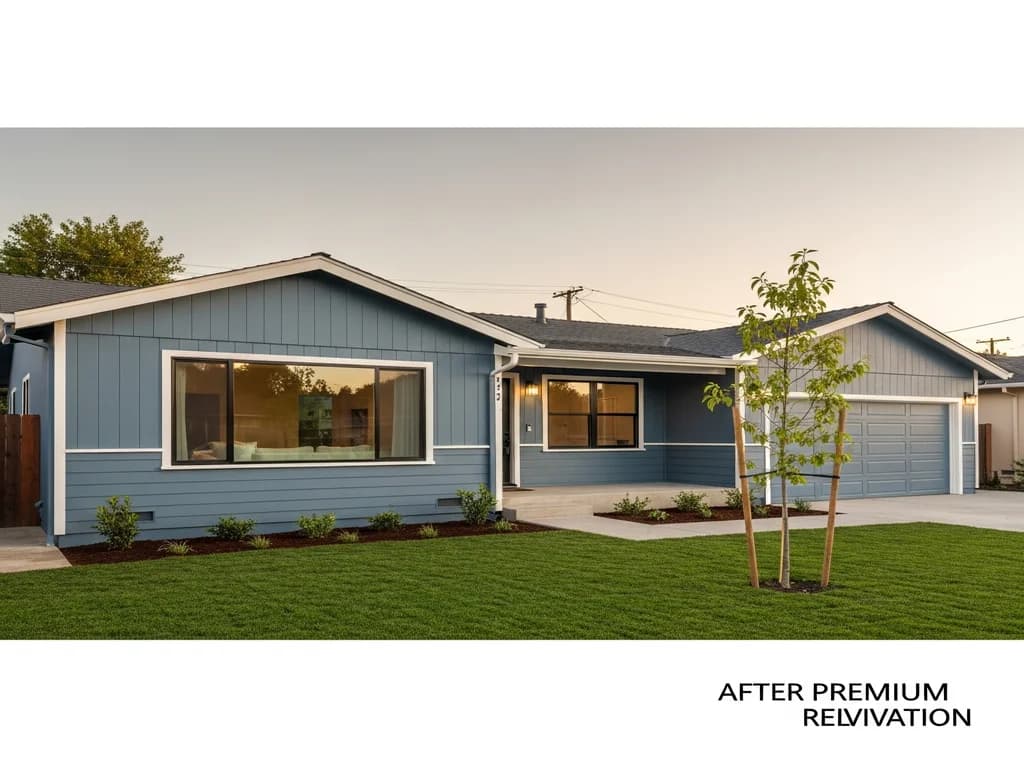
Sliding windows shine on wide horizontal openings where a casement's outward projection would be awkward or block a walkway, patio, or deck. They're a natural fit behind sinks and counters, where you can reach across to operate them without leaning into a cranked-open sash. Bedrooms and living areas where easy, no-crank operation matters favor sliders too. Critically for California, postwar and tract architecture commonly used sliders originally, so the operation reads era-correct on those homes — a like-for-like slider replacement preserves the home's intended look in a way a casement swap would not. On the right opening, the slider is the obvious and correct call.
Where sliding doesn't fit as well
Sliders read modern, so on traditional craftsman, Tudor, or Victorian architecture where double-hung was original, a slider can look out of period and undercut the home's character. On high-energy-performance applications where every bit of seal matters, casement's compression closure has a real edge. And on second-story emergency egress, sliders can be code-acceptable but casement often clears the required opening more easily, so check the egress dimensions before committing. The honest rule is that sliders are excellent for the openings and homes they suit and a compromise on the ones they don't — match the operation to the architecture and the performance goal rather than defaulting to one type everywhere.
Energy performance of sliding versus other operations
Casement windows typically achieve the tightest seal when closed because the sash compresses against the frame; sliding windows use a sliding seal that performs slightly less well, and double-hung varies by quality. For California's mild climate the difference is real but modest — it rarely decides a project on its own. Premium sliders from major brands with good weatherstripping perform adequately for most homes. What matters more than operation type is the glass package and certified ratings: check the NFRC label for U-factor and SHGC, and look for ENERGY STAR qualification for your climate zone, which captures far more of the real-world performance than the operation type alone.
Glass spec on sliding windows
Glass specification on a slider follows the same logic as any other window type. Low-SHGC glazing belongs on south and west elevations to cut solar heat gain in California sun, and tempered glass is required where code calls for it — near doors, in bathrooms, and at low sill heights. One small note specific to sliders: the center mullion between the fixed and operating sash means slightly less net glass area than an equivalent casement, but it's rarely a deciding factor on a real opening. Confirm the glass package against the NFRC ratings and your orientation so each elevation gets the right spec rather than a single package applied blindly across the whole house.
Install considerations and what a quality job includes
Sliding window installation is comparable to casement or double-hung in difficulty, and the insert-versus-full-frame decision applies the same way it does for any operation. On postwar and tract homes where sliders were original, like-for-like replacement into the existing rough opening is the typical scope and the cleanest path. Full-frame replacement is the call when the existing frames are rotted or the opening needs to change. Either way, proper flashing integration with the weather-resistant exterior and house wrap is what keeps water out long-term — a window is only as good as its install. Confirm the contractor's license through the CSLB before work begins.
Window operation types compared
| Operation | Seal | Best application |
|---|---|---|
| Casement | Tightest (compression) | Energy priority, modern architecture |
| Sliding (glider) | Good | Wide openings, postwar/tract architecture |
| Double-hung | Variable by quality | Traditional architecture, period correctness |
| Awning | Good | High-on-wall ventilation |
| Fixed / picture | N/A (no operation) | View priority |
Key takeaways
- Sliding window per-unit cost tracks closely with casement and double-hung in the same frame material
- Frame material — vinyl, fiberglass, or wood-clad — is the largest cost driver
- Best for wide horizontal openings and postwar or tract architecture
- Slightly less efficient seal than casement, but the difference is modest in California's climate
- Check NFRC ratings and ENERGY STAR qualification rather than choosing on operation type alone
- Like-for-like replacement is the typical scope where sliders were original
FAQ
Quick Answers
Slightly — casement's compression seal closes tighter — but the gap is modest in California's mild climate. Choose on aesthetic and functional fit, then verify the NFRC ratings.
Quality sliders from major brands last similarly to casement. Cheap sliders can develop track or operation issues sooner, so the brand and build quality matter more than the operation type.
Usually yes — a slider typically fits the same rough opening with minor adjustments. Confirm egress dimensions first if the opening serves a bedroom.
Postwar and tract builders used them widely, so they read era-correct on those homes. A like-for-like slider replacement preserves the home's intended look.
They can, but casement often clears the required opening more easily. Check the net clear opening dimensions against code before committing on a second-story bedroom.
Low-SHGC glazing on south and west elevations, tempered where code requires it, and a package confirmed against the NFRC label for your orientation and climate zone.
Sources
Authoritative references
- ENERGY STAR — Residential Windows, Doors & Skylights
- National Fenestration Rating Council (NFRC) — window performance ratings
- Contractors State License Board (CSLB) — verify a California contractor
External links to government, code, and manufacturer sources. Sierra Siding is not affiliated with these organizations; references are provided for verification.