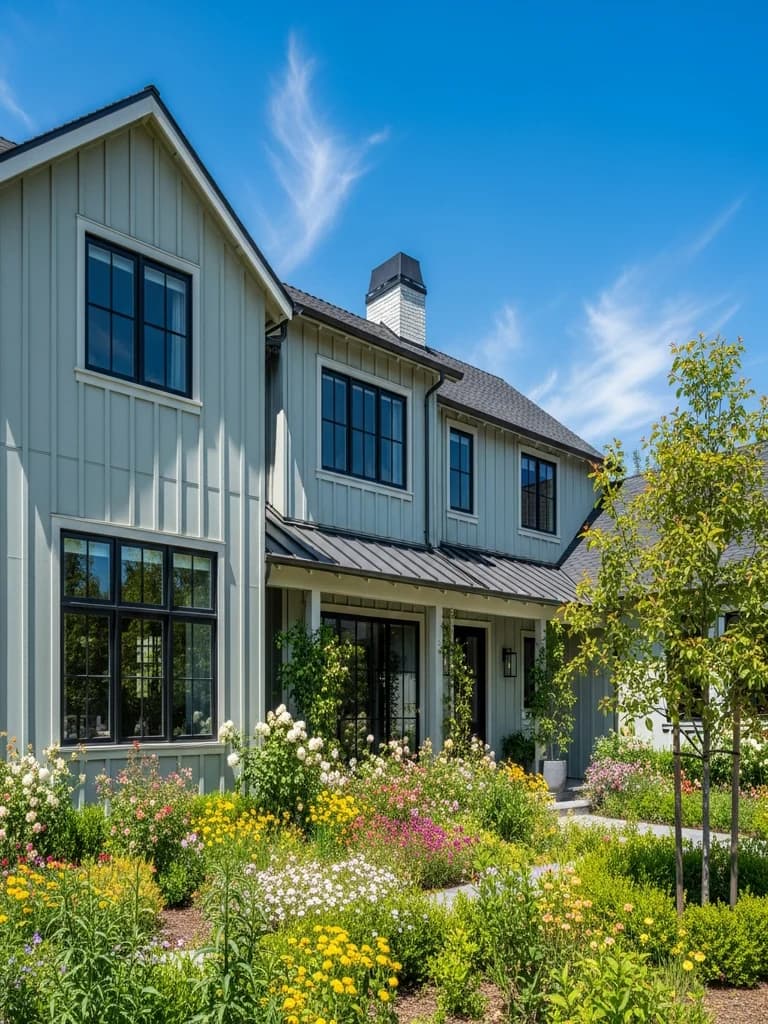
Siding in Coloma
A Coloma re-side is canyon work first. Tucked into the South Fork American River gorge around Marshall Gold Discovery State Historic Park, Coloma is the birthplace of the 1848 Gold Discovery, and its small historic stock, river-corridor homes, and rafting-related properties sit on the canyon floor where the water keeps the air damp while the brushy slopes rising on either side carry real upslope wildfire.
So a Coloma exterior has two jobs at once: shed the river-bottom moisture that lingers in the gorge, and stand up to fire that runs uphill out of the canyon. A flat one-material re-clad rarely answers both.
Canyon-bottom moisture along the South Fork
Homes close to the river through Coloma sit in a humid, shaded pocket of the gorge where morning fog, riparian shade, and cool river air slow how fast a wall dries after rain or spring runoff. We design the re-side as a drainable, back-vented system rather than face-sealed cladding, with a continuous weather-resistive barrier, flashed transitions, and a clear path for trapped moisture to escape. The lower courses nearest grade and the splash zone off decks and riverside paths take the worst of it, so we detail those bands for long wet seasons instead of treating the whole wall the same.
Upslope canyon fire on the gorge walls
The moisture on the canyon floor does not cancel the fire problem on the slopes above it. Coloma's brush- and grass-covered gorge walls run uphill on both sides of the river, and fire in this kind of terrain accelerates as it climbs, throwing embers down onto homes and the rafting-area structures along the corridor. We specify Class A non-combustible cladding for exposed parcels and harden the points embers exploit, treating the upslope-facing walls, eaves, and base of the structure as the most vulnerable faces rather than assuming the river protects the house.
Small historic Gold-Discovery stock
Coloma carries genuine 1848-era and early-mining-town character around the state park and the old townsite, and a re-side here should read as sympathetic to that history. We replicate period lap profiles, reveals, and trim faithfully while still upgrading the assembly underneath for the gorge's moisture and the slope fire. The aim is a wall that still belongs in a Gold Discovery streetscape but performs to modern standards, not a cosmetic re-clad that ignores the canyon.
River-corridor and rafting-related properties
Beyond the historic core, much of Coloma's building stock relates to the river economy: homes on river-access parcels, cabins, and structures tied to the rafting and outfitting trade strung along the South Fork. These sit close to the water on uneven canyon grade, often with limited road access down to the corridor and exteriors weathered by years of river damp and summer sun bouncing off the gorge. We budget for hidden substrate repair at older penetrations, plan staging around the tight river-canyon access, and scope detached and accessory structures separately rather than folding them into a single house number.
Why this matters in Coloma
- Specified for Sierra Foothills conditions
- fiber cement as the recommended system
- Correctly detailed weather-resistive barrier and flashing
- Installed by a crew with 20 years combined experience
Recommended systems for Coloma
- fiber cement
- James Hardie
- LP SmartSide
Fiber Cement Siding for Coloma homes
The full fiber cement siding approach — materials, weather-resistive detailing, and the manufacturer standards we install to — is covered on the main service page, then specified for Coloma's conditions on this one.
Our Coloma process
- Step 1
Consultation
We listen to your goals and assess your home on site — exposure, substrate, and architecture.
- Step 2
Design & Proposal
A clear written proposal with the right system specified for your climate and a transparent scope.
- Step 3
Expert Installation
Trained crews install to manufacturer best practices with careful weather-management detailing.
- Step 4
Walkthrough & Support
A final walkthrough, full cleanup, and a clear written record of the scope completed — work we stand behind.
FAQ
Siding in Coloma — FAQ
Coloma sits on the South Fork American River canyon floor with combined river-bottom moisture and upslope gorge fire, distinct from Placerville's Gold-Rush county-seat town on the Hwy 50 corridor or Georgetown's higher forested Divide.
No. The river keeps the canyon floor damp, but Coloma's brushy gorge walls carry real upslope wildfire that throws embers down onto homes, so exposed parcels still need non-combustible, hardened exteriors.
Yes. We replicate period lap profiles, reveals, and trim faithfully while upgrading the assembly underneath for the canyon's moisture and slope fire.
The shaded, humid gorge floor dries slowly after rain and spring runoff, so we build a drainable, back-vented wall with flashed transitions rather than face-sealed cladding that can trap moisture.
Through a detailed written proposal after an on-site look, since canyon access, moisture detailing, hardening scope, and any historic profiles vary a lot from one river-corridor parcel to the next.
Keep Exploring
More for Coloma homeowners
More in Coloma
Other exterior services in Coloma
Nearby Service Areas
Siding near Coloma
Helpful Exterior Guides