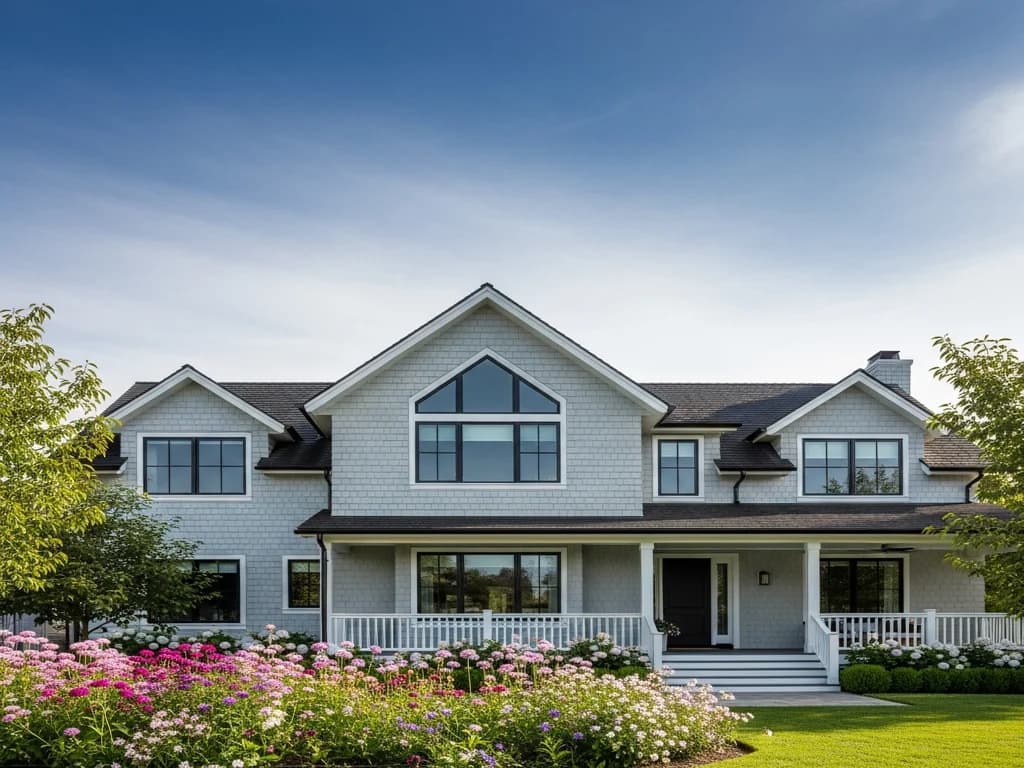
Siding in Pilot Hill
Pilot Hill spreads along the Highway 49 corridor in El Dorado County as ranch, horse, and acreage country — homes set back on big rural parcels among oak woodland and dry annual grass, often with barns, shops, and arenas sharing the land. A re-side here is rarely just a house; it's a working property with multiple structures, long drives, and a real grass-and-oak fire exposure that shapes every material choice.
We approach a Pilot Hill re-side as rural work: honest about the high foothill fire risk on these open grassland lots, planned for the access and outbuildings acreage demands, and built to survive hot, dry summers without constant upkeep.
Grass-and-oak fire is the controlling factor on these lots
Pilot Hill's defining hazard is fast-moving grass fire through cured annual grass and oak woodland in late summer, with embers running well ahead of any flame front. On open acreage with grass right up to the structure, that exposure is real and we treat it as the starting point. A re-side here leads with non-combustible cladding and then hardens the points embers actually use — eaves, vents, trim returns, and the siding-to-roof transition — because a grassland lot gives wind-driven embers many hours and many chances to find a weakness.
Outbuildings change the whole conversation
A Pilot Hill property is usually a house plus a barn, a shop, equipment cover, or a second dwelling — and a fire doesn't care which one ignites first. So a re-side here becomes a property-wide question: which structures sit closest to grass and brush, what gets hardened first, and how a burning outbuilding could threaten the home. We help homeowners phase the work sensibly, typically protecting the residence first, while being clear-eyed that an un-hardened barn near the house is part of the home's risk picture too.
Long drives, distance, and rural logistics
Properties off Highway 49 here often sit at the end of long gravel or dirt drives, well back from the road, sometimes with grade and livestock to work around. Getting cladding, a dumpster, water, power, and lift equipment to the wall takes planning that suburban crews skip. We scope the access realities first — staging without churning the drive to mud, sequencing deliveries for distance, and respecting a working horse or ranch property's daily operation rather than treating it like a tract lot.
Built for hot, dry summers and ranch-life wear
Pilot Hill summers are hot and dry, and exposed ranch homes take heavy solar load on open elevations that cooks paint and opens wood-lap joints over time. Add the dust, equipment traffic, and general working-property wear of acreage life, and the case for a low-maintenance, durable wall is strong. We specify cladding and finishes built to hold color and integrity through years of foothill sun, so a remote home that's a chore to repaint becomes one you re-side once and leave alone.
Ranch character without the maintenance
The look that fits Pilot Hill is honest rural — board-and-batten, simple ranch and farmhouse lines, warm earth tones that sit right against oak and dry grass. We deliver that character in durable, non-combustible terms rather than aging wood: profiles and colors that belong on a working acreage property, paired with an assembly that survives the climate and the fire exposure. The result reads like it always belonged on the land but stops demanding the upkeep that old wood cladding on a remote property never really gets.
Why this matters in Pilot Hill
- Specified for Sierra Foothills conditions
- fiber cement as the recommended system
- Correctly detailed weather-resistive barrier and flashing
- Installed by a crew with 20 years combined experience
Recommended systems for Pilot Hill
- fiber cement
- James Hardie
- LP SmartSide
Fiber Cement Siding for Pilot Hill homes
The full fiber cement siding approach — materials, weather-resistive detailing, and the manufacturer standards we install to — is covered on the main service page, then specified for Pilot Hill's conditions on this one.
Our Pilot Hill process
- Step 1
Consultation
We listen to your goals and assess your home on site — exposure, substrate, and architecture.
- Step 2
Design & Proposal
A clear written proposal with the right system specified for your climate and a transparent scope.
- Step 3
Expert Installation
Trained crews install to manufacturer best practices with careful weather-management detailing.
- Step 4
Walkthrough & Support
A final walkthrough, full cleanup, and a clear written record of the scope completed — work we stand behind.
FAQ
Siding in Pilot Hill — FAQ
It's significant. Cured grass and oak woodland carry fast late-summer fire with embers running ahead of the front, so on open lots we lead with non-combustible cladding and harden eaves, vents, and trim as the baseline.
Usually we protect the residence first, but an un-hardened outbuilding close to the home is part of the home's risk. We'll assess the whole property and help you phase the work where the exposure is greatest.
Yes — that's normal Pilot Hill work. We plan staging, deliveries, and equipment access for distance and grade up front, and stage in a way that doesn't churn a gravel or dirt drive to mud.
Remote acreage homes rarely get repainted on schedule, and hot, dry summers punish exposed walls. A durable, color-stable, non-combustible re-side means you do the wall once instead of fighting ongoing upkeep on a property that's hard to maintain.
Yes. Board-and-batten profiles and warm earth tones deliver the working-rural look in non-combustible materials, so the home fits its land and oak setting while gaining real fire and weather durability.
Keep Exploring
More for Pilot Hill homeowners
Nearby Service Areas
Siding near Pilot Hill
Back to
El Dorado County & Pilot Hill
Helpful Exterior Guides