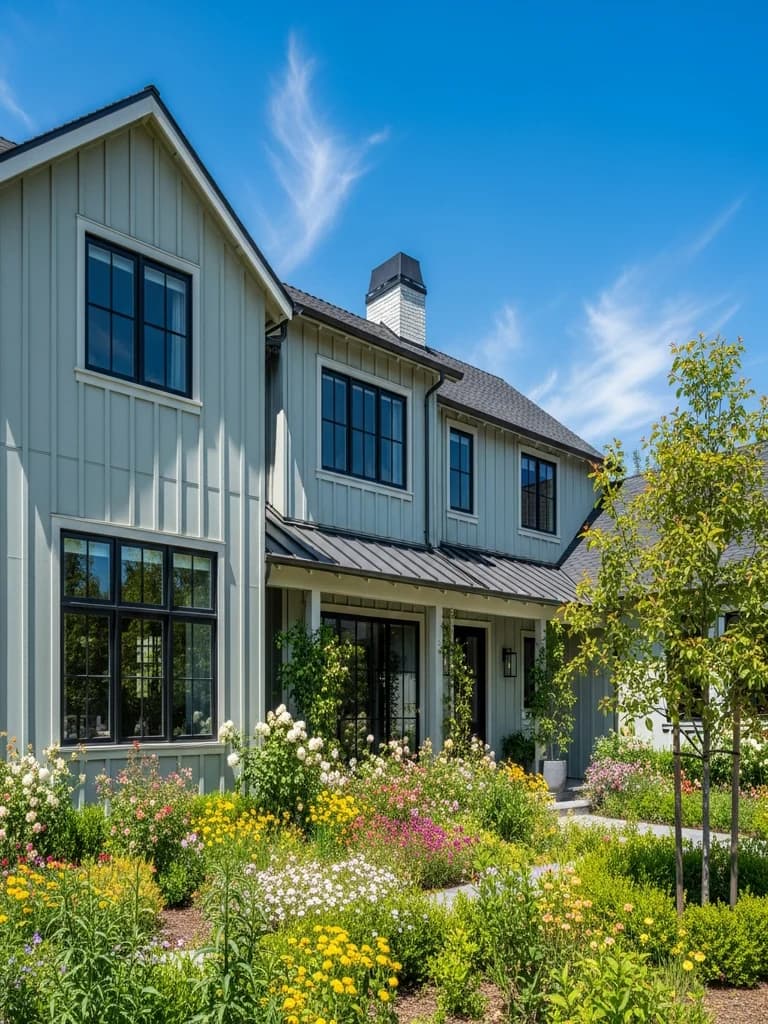
Siding in Greenfield
A Greenfield re-side is an inland Salinas Valley job, and the first thing it isn't is a coastal one. Sitting on the dry valley floor south of Soledad, Greenfield never gets the marine layer that shades and damps the Peninsula a half-hour west — it bakes through long, cloudless, high-UV summers instead. The housing here is a working ag town wrapped in newer family subdivisions, and heat, not salt or fog, is what cooks original cladding off these walls.
So we scope a Greenfield re-side around the sun: dimensionally stable, fade-resistant fiber cement, finishes chosen to hold their color on south and west elevations, and detailing that tolerates a wide day-to-night temperature swing — none of the marine-grade hardware or shade-damp drainage emphasis a coastal home would need.
Inland valley heat, not the foggy coast
Greenfield lies inland enough that the Monterey Bay marine layer rarely reaches it, so where coastal Peninsula homes fight salt and shade-damp, Greenfield walls fight relentless summer UV and triple-digit afternoons. That is what fades field paint, splits sun-baked wood lap, and works thermal movement hard at every joint. We re-clad in heat-stable, fade-resistant fiber cement and size the trim and sealant details for the valley's big daily temperature swing.
An ag town with new family subdivisions
Greenfield reads as two homes at once: the older working-town core tied to the surrounding row-crop and vineyard economy, and the newer family subdivisions that have pushed the city outward in recent decades. The older homes often wear decades-old wood or stucco that has spent its life in the sun; the tract homes carry builder-grade lap framed for affordability. A re-side meets each on its own terms rather than running one template across both.
Color and finish choices that survive a Greenfield summer
Under unbroken inland valley sun, finish selection is the decision that quietly determines how a Greenfield house looks a decade out. South- and west-facing walls take hours of direct, unshaded light a day, which is brutal on dark tones and on any color brushed on in the open air. We steer owners toward factory-baked finishes and lighter-to-mid color families that hold their tone far longer than deep colors that chalk and fade unevenly here. On the newer subdivisions we also match board widths, reveals, and trim profiles so a re-sided house reads cohesive against its neighbors rather than patched. The point is honest, low-upkeep walls that shrug off the sun for decades instead of pulling an owner back onto a ladder every few summers to chase a faded elevation.
How a Greenfield re-side differs from Soledad and King City
All three towns share the Highway 101 corridor and the dry valley floor, but the controlling stress is not identical. Soledad, sitting up where the valley narrows toward the bay, takes the famous Salinas Valley wind funnel hardest, so its jobs lean on wind-rated fastening above all. King City, at the far-south end, is hotter, dustier, and remote enough that single-mobilization logistics dominate. Greenfield sits between them, just south of Soledad, with the heat firmly established but less of the relentless wind that defines Soledad and without King City's far-south remoteness. We scope a Greenfield re-side around that middle reality: heat and UV are the headline stressors, dust matters at the seams, wind is a secondary concern handled with sound fastening rather than the whole story. Material stages and crews route up the 101 corridor without coastal hauls, which keeps a family-town budget intact while still landing the durable, sun-stable cladding the climate demands.
Why this matters in Greenfield
- Specified for Monterey Peninsula conditions
- fiber cement as the recommended system
- Correctly detailed weather-resistive barrier and flashing
- Installed by a crew with 20 years combined experience
Recommended systems for Greenfield
- fiber cement
- James Hardie
- LP SmartSide
Fiber Cement Siding for Greenfield homes
The full fiber cement siding approach — materials, weather-resistive detailing, and the manufacturer standards we install to — is covered on the main service page, then specified for Greenfield's conditions on this one.
Our Greenfield process
- Step 1
Consultation
We listen to your goals and assess your home on site — exposure, substrate, and architecture.
- Step 2
Design & Proposal
A clear written proposal with the right system specified for your climate and a transparent scope.
- Step 3
Expert Installation
Trained crews install to manufacturer best practices with careful weather-management detailing.
- Step 4
Walkthrough & Support
A final walkthrough, full cleanup, and a clear written record of the scope completed — work we stand behind.
FAQ
Siding in Greenfield — FAQ
Yes, fundamentally. Greenfield is inland valley floor with hot, dry, high-UV summers and no real marine layer, so the spec is built around sun and heat, not the salt corrosion and shade-damp that govern coastal homes a half-hour west.
Long, cloudless inland summers load south and west walls with intense UV and wide daily temperature swings that chalk paint and cycle wood until it cracks. Heat-stable fiber cement with a factory finish fixes the root cause.
Greenfield sits just south of Soledad with less of Soledad's hard wind funnel and without King City's far-south remoteness. Heat and UV lead here, with dust a seam-level concern and wind handled by sound fastening rather than dominating the scope.
Low — Greenfield is flat Salinas Valley agricultural floor with no wildland interface. Heat and UV are the controlling factors. Non-combustible fiber cement is still a sound, low-regret default.
Minor — Greenfield is hot and dry with little coastal influence; sun, UV, and seam dust are the real factors, not constant damp.
Keep Exploring
More for Greenfield homeowners
More in Greenfield
Other exterior services in Greenfield
Nearby Service Areas
Siding near Greenfield
Helpful Exterior Guides