
9 min read · Guide
Replacement-window advertising leans hard on energy savings, and it's the first question most homeowners ask: will new windows actually lower my bills enough to pay for themselves? The honest answer is that they do save energy, but the payback period is usually long — and the strongest reasons to replace windows are often comfort, condensation, noise, and condition rather than a fast return on the power bill. This guide gives you the real math, explains the ratings that matter, and helps you decide for the right reasons. For the cost side, see window and siding cost; to recognize windows that have already failed, see foggy windows between the panes.
How window energy savings actually work
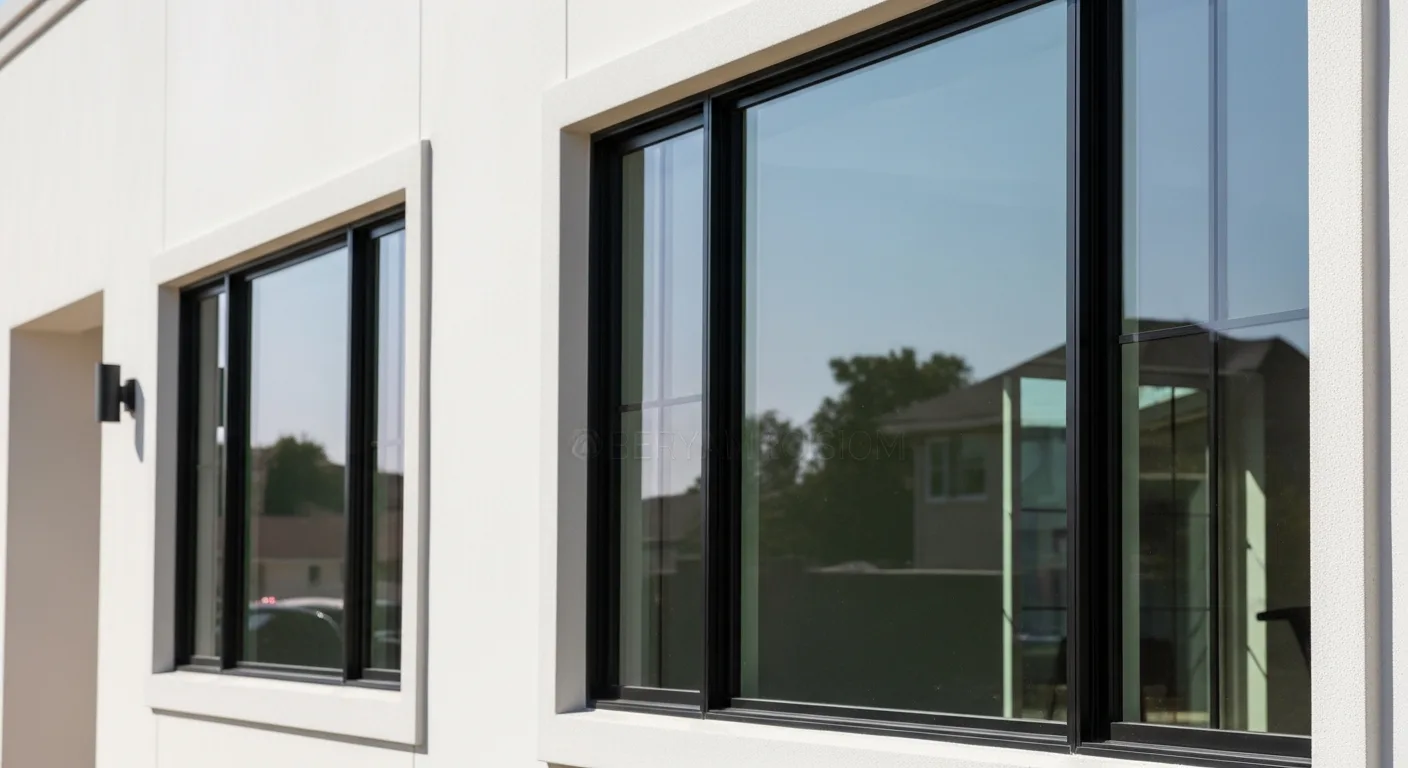
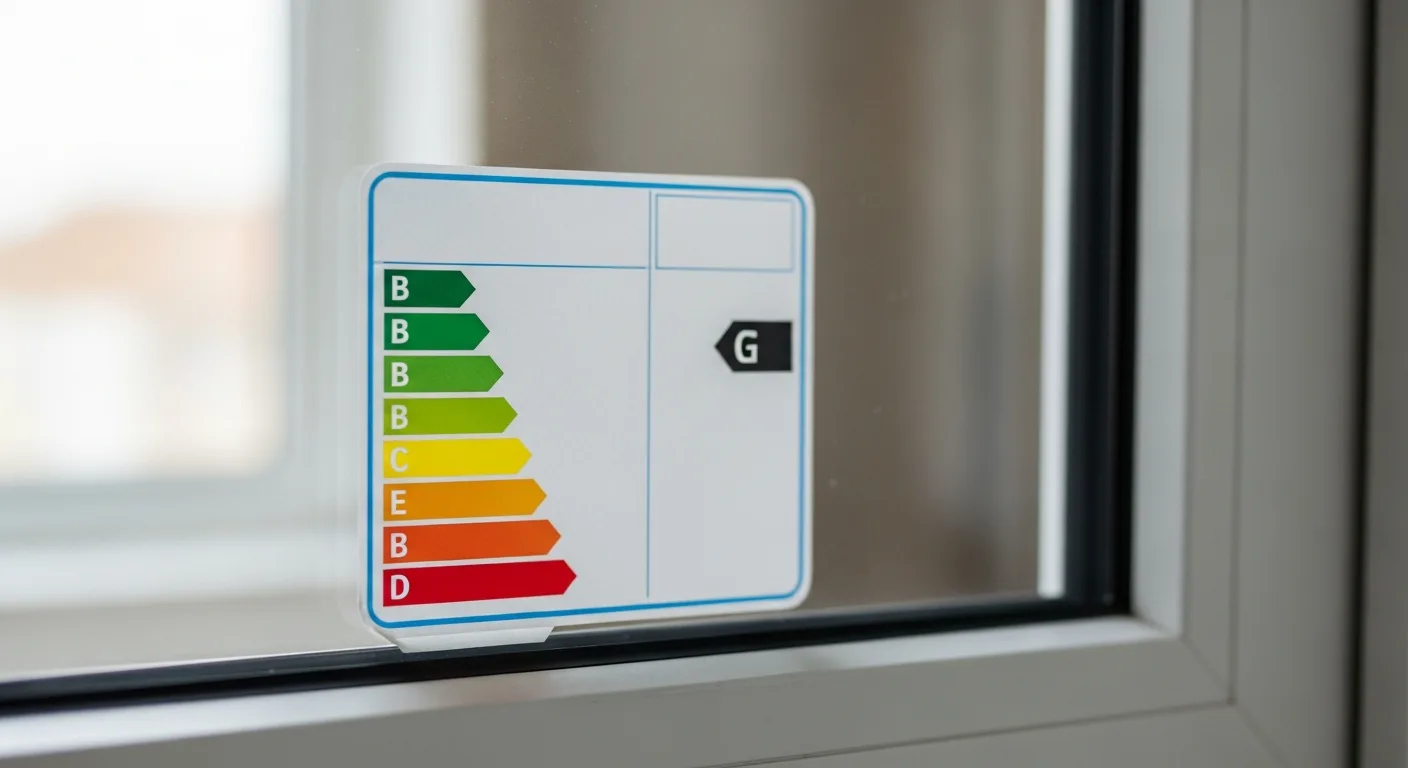
A window's energy performance comes down to two main numbers: the U-factor (how well it resists heat flow — lower is better) and the Solar Heat Gain Coefficient (how much solar heat it lets in — lower keeps a hot-climate home cooler). These are rated independently by the National Fenestration Rating Council and printed on the label. New, well-rated windows lose less heat in winter and block more unwanted solar gain in summer — but how much you save depends on what you're replacing and your climate.
The honest payback math
Replacing functional single-pane windows with modern units delivers the biggest savings; swapping already-decent double-pane windows saves much less. Either way, energy savings alone typically take many years to offset the cost of a whole-house window replacement — frequently longer than people expect. That doesn't make windows a bad investment; it means you should weigh them as a comfort-and-condition upgrade with an energy bonus, not as a quick money-saver that pays for itself in a few seasons.
ENERGY STAR and what 'qualified' means here
ENERGY STAR sets climate-zone-specific performance thresholds for windows, and choosing qualified units is the simplest way to ensure you're getting genuinely efficient glass for California conditions. It's a floor for quality, not a guarantee of fast payback — but it ensures the savings you do get are real, and it matters for any rebate or program eligibility you might pursue.
California's Title 24 angle
California's Title 24 energy standards set efficiency requirements that come into play on replacement and remodel work. Beyond compliance, Title 24 reflects the state's push toward lower-energy homes — meaning efficient windows aren't just a personal choice but increasingly the baseline expectation. When you replace, meeting or exceeding the standard protects both comfort and resale.
Don't forget rebates and incentives
The payback math improves when you factor in incentives. Utility programs, state efficiency initiatives, and occasional federal energy-efficiency tax credits can offset part of the cost of qualifying windows, and ENERGY STAR certification is frequently the eligibility requirement. These programs change year to year, so confirm what's currently available in your area before you buy — a genuine rebate can meaningfully shorten the effective payback, even if it never makes energy savings the whole story. Folding any available incentive into your window and siding cost planning gives you the most honest picture of the real out-of-pocket number.
The reasons that often matter more than savings
In practice, most homeowners who are happy they replaced their windows cite comfort first: no more cold drafts in winter or rooms that bake in summer, fewer hot-and-cold spots, and far less outside noise. Add the end of foggy, seal-failed units, easier operation, and better security, and the case for new windows is usually built on livability — with energy savings as a steady, long-term bonus rather than the headline.
Windows and the rest of the envelope
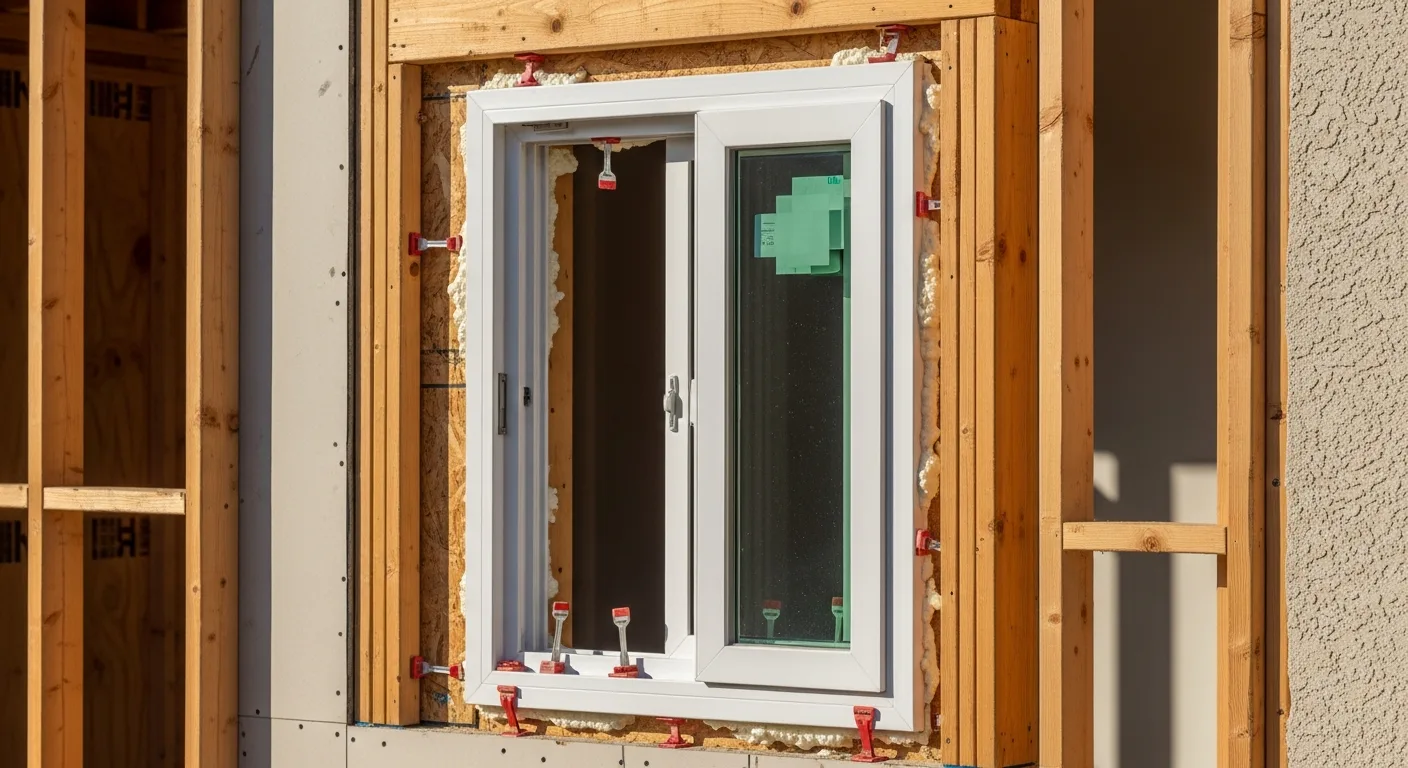
Windows don't perform in isolation. If the surrounding wall — siding, flashing, weather barrier — is failing, even great windows underperform, and air leaks around poorly installed windows erase their rated efficiency. This is why window and siding work are often planned together, and why installation quality matters as much as the window you buy. A well-rated window installed poorly is a wasted upgrade.
So — do they save money?
Yes, modestly and over a long horizon, especially when you're replacing old single-pane windows. No, not usually fast enough to justify the project on energy savings alone. Replace windows when comfort, condensation, noise, condition, or a planned exterior project make the case — and treat the lower bills as the dependable bonus they are. To scope realistically, weigh window replacement against the ranges in window and siding cost.
Replacing for the right reasons
If your windows are sound double-pane units, energy savings alone rarely justify replacement; if they're single-pane, drafty, foggy, or noisy, the comfort and condition gains usually make the case. Choose ENERGY STAR-qualified units, insist on quality installation, and treat the lower bills as a long-term bonus. To scope it honestly, weigh window replacement against realistic window and siding costs, then book a free estimate for a recommendation built around how you actually use your home.
Single-pane to dual-pane: the biggest jump in the curve
If your home still has original single-pane windows, you are sitting on the one upgrade where the energy math actually gets interesting. The performance gain from single-pane to a modern dual-pane, low-E, argon-filled unit is dramatic because you are eliminating the worst-performing assembly in the wall, not nudging an already-decent one. Many older California homes from the 1950s through the 1980s shipped with aluminum-frame single-pane glass, which conducts heat readily and sweats with condensation on cool mornings. Swapping those is where homeowners report the most noticeable comfort change and the shortest realistic payback, because the starting baseline is so poor. By contrast, replacing 1990s dual-pane windows with newer dual-pane windows is a much smaller delta, and the savings rarely justify the project on energy grounds alone. The lesson is to be honest about what you are replacing from. The same new window produces a wildly different return depending on the old one it displaces. If you are weighing this against other envelope work, it helps to think of windows as one line item in a whole-house plan rather than a standalone money machine. When you are ready to scope the full exterior, our team can walk the house with you during a free estimate and tell you candidly where dollars do the most good, which is not always the windows.
Triple-pane glass: when it pays and when it doesn't
Triple-pane windows show up in a lot of sales pitches, and in much of California they are a harder sell to justify on cost. Adding a third pane and a second gas-filled cavity lowers the U-factor further and dampens sound, but it also raises the price per unit meaningfully and adds weight that can stress hardware over time. In cold-climate states the extra insulation earns its keep across long heating seasons. In the milder coastal and valley climates where most of our work happens, the marginal energy benefit over a good dual-pane low-E window is small relative to the added expense, so the payback stretches well beyond the lifespan many homeowners plan around. There are exceptions worth taking seriously. Homes in the Sierra foothills and mountain communities that see real winters can benefit, and so can houses on busy roads or near flight paths where the noise reduction alone is the reason to buy. If quiet is your goal, look at the unit's Sound Transmission Class rather than assuming a third pane automatically delivers it, since laminated glass in a dual-pane can rival triple-pane acoustics for less. The ENERGY STAR windows program publishes climate-zone guidance that helps separate genuine need from upsell. Pair that with realistic expectations and you will avoid paying mountain-climate prices for a valley house.
How wildfire and smoke change the window conversation
In much of California the window decision has picked up a dimension that has nothing to do with utility bills: resilience to wildfire and smoke. In Wildland-Urban Interface zones, building code increasingly drives material choices, and dual-pane glass with at least one tempered pane is part of the standard ember-resistant assembly because it resists the radiant heat and thermal shock that shatter single-pane glass and let embers inside. If you are in a fire-prone foothill or canyon area, that requirement reframes the purchase as a safety and insurability investment rather than a payback calculation, and it may interact with what your insurer is willing to write. Smoke is the quieter, more frequent issue. During wildfire season, even homes far from the flames see weeks of degraded air, and leaky old windows let that smoke seep indoors. Tighter new windows with good weatherstripping noticeably reduce infiltration, which improves indoor air quality on bad-air days and lets a filtration system actually keep up. Check your zone designation and hardening guidance through CAL FIRE before you spec glass, since the local requirements vary by community. When windows are part of a broader hardening effort, it usually makes sense to evaluate the siding and trim at the same time, because embers exploit the weakest detail on the whole wall, not just the glass.
Key takeaways
- New windows do save energy — but payback on energy alone is usually measured in many years
- U-factor and SHGC (rated by the NFRC) are the numbers that determine real performance
- Replacing single-pane windows saves the most; swapping decent double-pane saves much less
- Comfort, condensation, noise, and condition are the reasons that usually justify replacement
- ENERGY STAR is a quality floor and matters for rebate eligibility, not a fast-payback guarantee
- Installation quality and the surrounding wall determine whether rated efficiency is actually delivered
FAQ
Quick Answers
They lower energy use, especially when replacing single-pane windows, but the savings usually take many years to offset the cost of whole-house replacement. Think of windows as a comfort-and-condition upgrade with a long-term energy bonus rather than a fast money-saver.
On energy savings alone, typically a long horizon — often longer than homeowners expect, and highly dependent on what you're replacing and your climate. The non-energy benefits (comfort, noise, condition) often justify the project sooner than the bills do.
Look at U-factor (lower resists heat flow better) and Solar Heat Gain Coefficient (lower keeps a hot-climate home cooler), both rated by the NFRC, and choose ENERGY STAR-qualified units for California's climate zones.
If they're sound double-pane units, energy savings alone rarely justify replacement. If they're single-pane, drafty, foggy, hard to operate, or noisy, the comfort and condition improvements usually make replacement worthwhile.
Yes — reduced drafts and noise are among the most consistently reported benefits of quality replacement windows, often more noticeable day to day than the energy savings.
Significantly. Air leaks around a poorly installed window erase its rated efficiency, so installation quality matters as much as the window itself — which is why window and surrounding wall work are often planned together.
Sources
Authoritative references
- ENERGY STAR — Residential Windows, Doors & Skylights
- National Fenestration Rating Council (NFRC) — window performance ratings
- California Energy Commission — Title 24 Building Energy Efficiency Standards
External links to government, code, and manufacturer sources. Sierra Siding is not affiliated with these organizations; references are provided for verification.