
8 min read · Guide
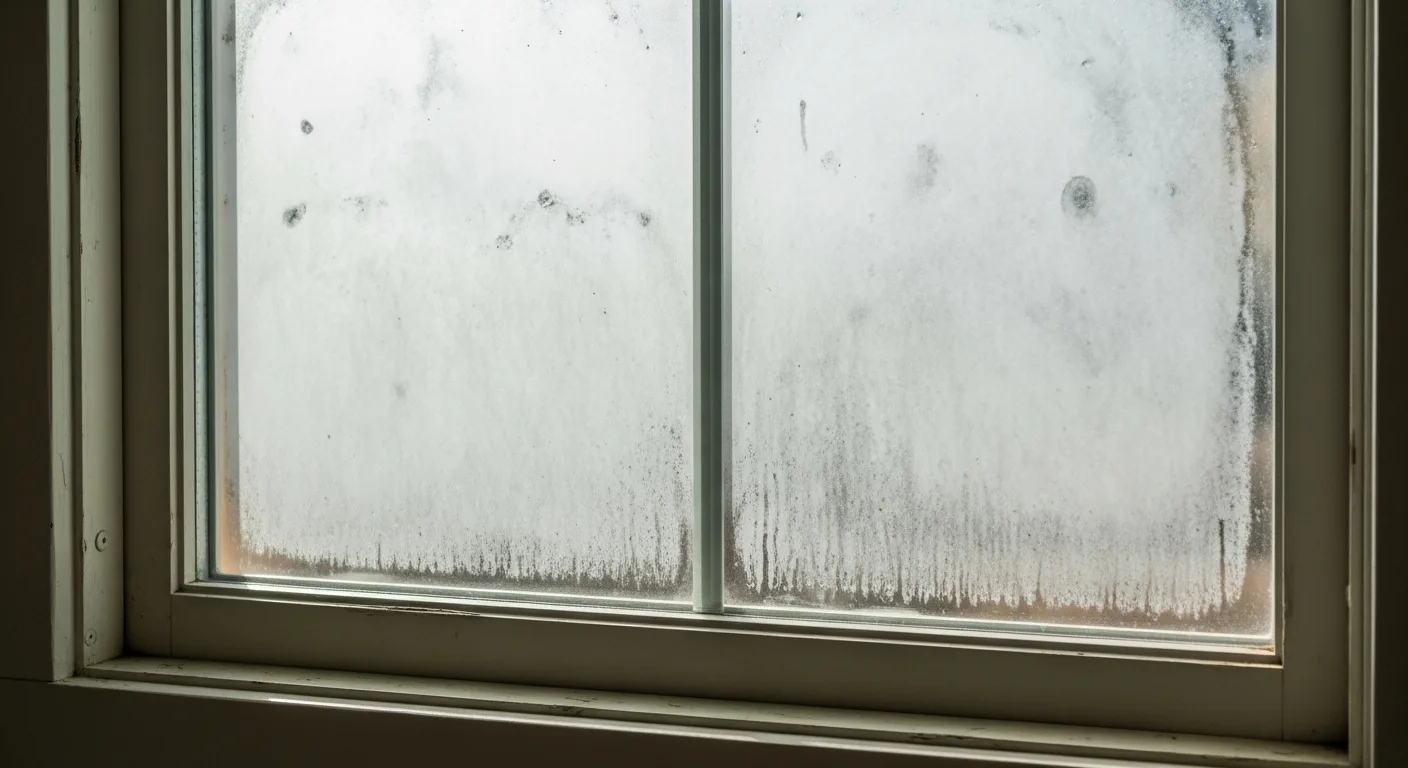
You wipe the glass and the haze stays. That cloudy film trapped between the two panes of a double-pane window isn't dirt and it isn't condensation you can clear — it's moisture sealed inside the window itself, and it's telling you the window has failed in a specific, well-understood way. The good news is that a foggy window is almost never an emergency. The honest news is that the quick fixes you'll find advertised are usually temporary, and on most California homes the durable answer is replacing the glass unit or the window. This guide explains exactly what's happening, walks through your real options, and helps you decide whether to live with it, repair it, or replace it. When you want a straight assessment, that's what window replacement consultations are for.
What you're actually looking at: a failed IGU seal
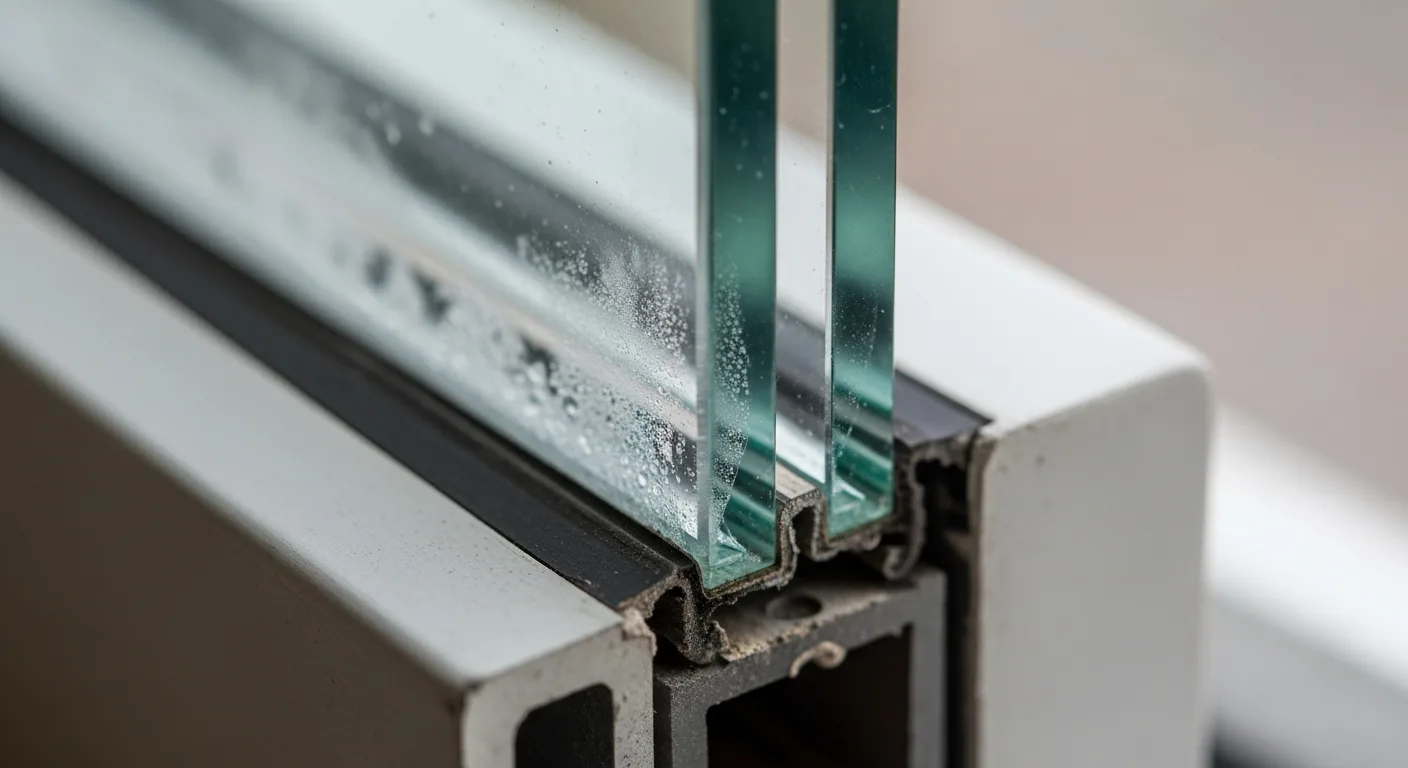
A modern double- or triple-pane window is built as an insulated glass unit (IGU): two or three panes separated by a spacer, with the gap sealed and often filled with an inert gas like argon. The seal around the perimeter keeps the gap dry and the gas in. When that seal fails, humid outside air seeps into the gap, and when temperatures swing, the moisture condenses on the inside faces of the glass — where no cloth can reach it. The fog you see is the visible symptom of a broken seal, not a dirty window.
Why seals fail — and why California is hard on them
Seals fail from age, from the daily expansion-and-contraction cycle of the glass heating and cooling, and from water that sits at the frame and breaks the sealant down over time. California's intense solar exposure accelerates the cycle: a south- or west-facing window in the Central Valley heats hard every afternoon and cools every night, working the seal thousands of times a year. Lower-quality units, and units installed without proper drainage at the sill, tend to fail first. It's why you'll often see one or two windows fog while the rest of the house is fine — they're the most exposed.
Does the gas leaking out matter?
When the seal fails, any argon or krypton fill escapes and the gap fills with ordinary (now humid) air. You lose part of the window's insulating performance, measured by its U-factor — the lower the U-factor, the better the insulation. Independent ratings for this come from the National Fenestration Rating Council. In practice, a single fogged window won't wreck your energy bill, but a houseful of seal-failed units genuinely erodes comfort and efficiency.
Does window 'defogging' actually work?
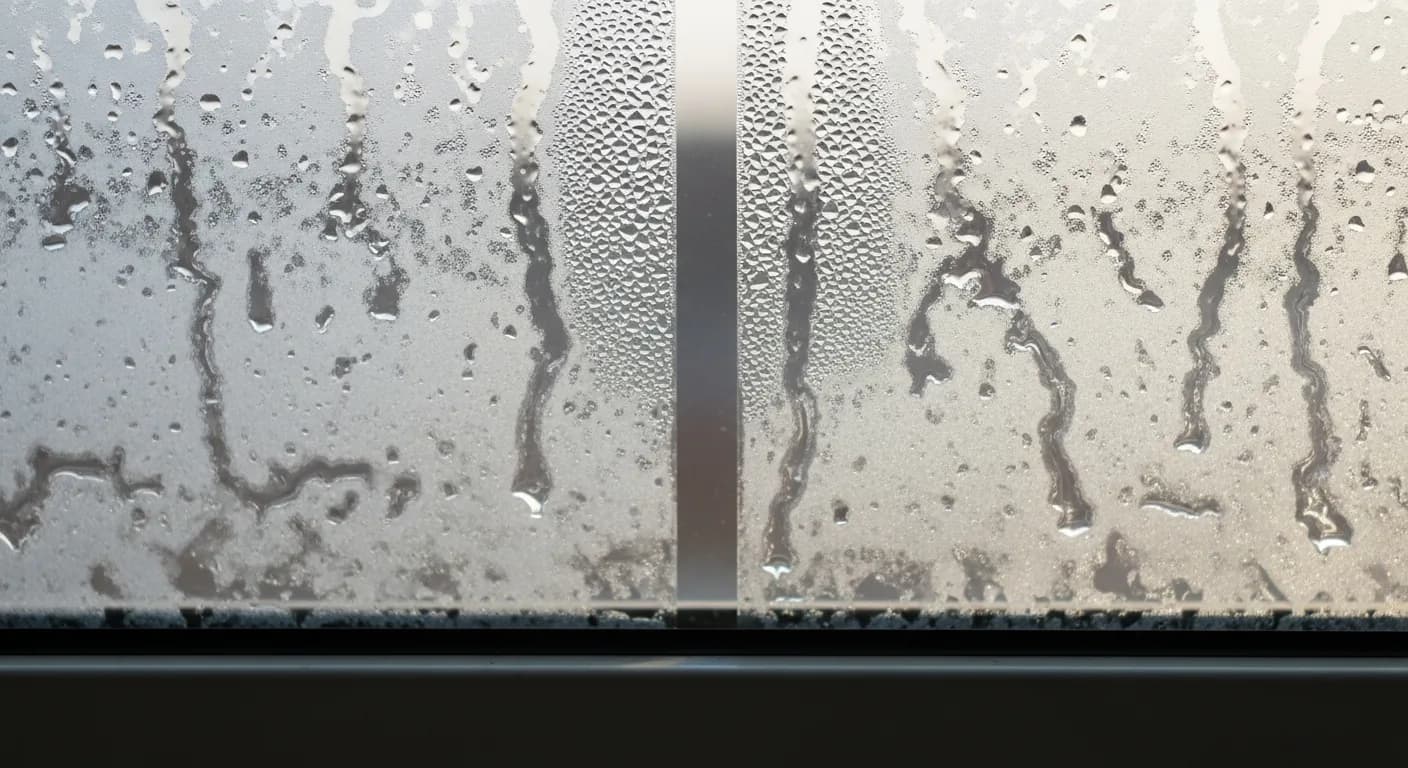
You'll find services that drill tiny holes in the glass, flush the moisture out, and insert a valve or desiccant. Honestly: it can clear the visible fog, but it does not restore the original sealed, gas-filled unit — the insulating performance doesn't fully come back, and the haze often returns. Defogging can be a reasonable stopgap on a newer window you're not ready to replace, but treat it as a patch, not a repair. We'd rather you know that up front than pay for it twice.
Repair the glass, or replace the window?
If the frame and sash are sound and the window is relatively new, replacing just the IGU (the glass pack) is often possible and cheaper than a full window. If the window is old, the frame is compromised, or several units are failing, full replacement is usually the better long-term value — and the moment to upgrade to a better-rated, ENERGY STAR-qualified unit. The deciding factors are the window's age, frame condition, and how many units are affected.
Is a foggy window worth fixing at all?
If it's one window in a guest room and it doesn't bother you, living with it is a legitimate choice — a fogged seal is a performance and cosmetic issue, not a safety or water-intrusion one. Where it tips toward action: multiple foggy units, windows you look through every day, an upcoming home sale (inspectors flag them), or fog paired with drafts and rising bills. See do new windows actually save money for the honest payback math before you replace a whole house.
How to decide, in order
Walk the house and count the fogged units. One newer window with a sound frame: consider a glass-pack swap. Several failing units, or older windows with frame issues: price a replacement and weigh the comfort and resale upside. Planning to sell within a year or two: budget to address them, because they read as deferred maintenance to buyers. When you want a no-pressure read on which bucket you're in, that's exactly what an on-site window replacement assessment delivers — and the related window and siding cost guide sets realistic expectations.
What to do next
Start by counting fogged units and noting which rooms they're in. If it's a single newer window, ask about a glass-pack swap; if several are failing, it's worth pricing full replacement and folding in the comfort and efficiency upgrade. Either way, an honest window replacement assessment will tell you which path fits, and choosing a contractor you can verify on the Contractors State License Board protects you. If foggy glass is showing up alongside other exterior warning signs, it's worth looking at the whole envelope at once. When you're ready, book a free estimate and we'll give you a straight recommendation.
How a glass shop measures and reorders just the sealed unit
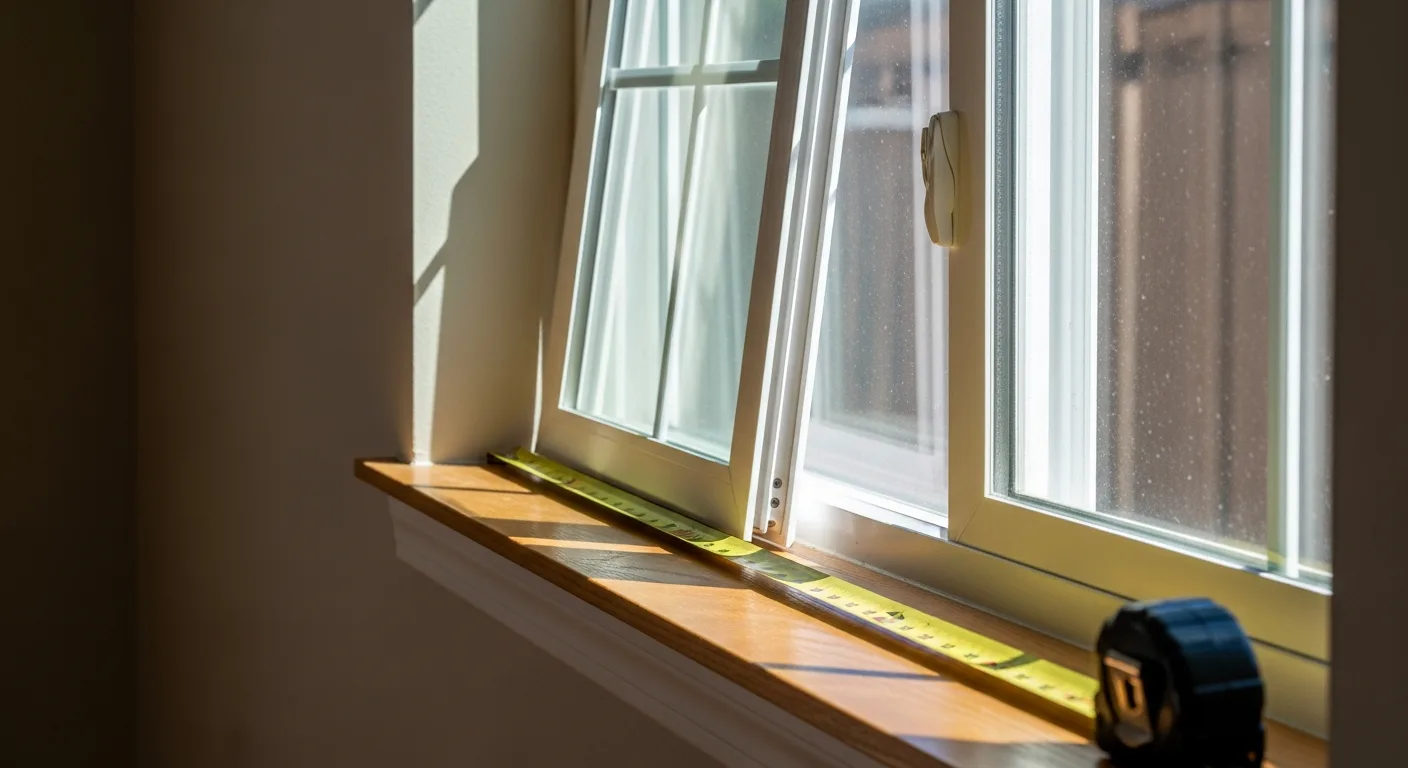
If the frame and sash are sound, you rarely need a whole new window — you need a new insulated glass unit, or IGU, dropped into the existing opening. The process starts with measurements that have to be precise: a glass tech records the visible glass dimensions, the overall unit size including the spacer, the glass thickness for each lite, and the total IGU thickness, which tells the fabricator how wide the air gap is. Getting the thickness wrong by even an eighth of an inch can mean the new unit won't seat in the glazing channel. The tech also notes whether the original had a low-E coating and on which surface, because matching that coating keeps the window's solar performance consistent with the rest of the house. Lead times in California typically run two to four weeks because most IGUs are custom-fabricated to order, not pulled from stock. When the unit arrives, the old glass is removed, the channel is cleaned of dried sealant, and the replacement is bedded and re-glazed. A clean reglaze restores the original look exactly because the frame never changes. This is the path that makes the most sense on newer vinyl or fiberglass frames that are otherwise in good shape. If your exterior trim or surrounding cladding was disturbed during a prior repair, it is worth having a siding repair check at the same visit so water can't track back behind the wall.
The wood-rot scenario hiding behind an old foggy window
On older homes, a foggy pane is sometimes the visible symptom of a wetter problem. When a seal fails, the moisture that condenses inside the glass is often a sign the window assembly has been getting damp for a while — and on wood-framed or wood-clad windows, persistent dampness invites rot in the sill, the lower sash rail, and the trim below. Before you spend money on new glass, press a screwdriver into the wood at the bottom corners of the frame. If it sinks in or the wood feels spongy, reglazing alone is a waste because the rotten frame won't hold the new unit and water will keep getting in. In that situation the smart move is to replace the full window and inspect the rough opening and the wall sheathing behind it. Coastal and foothill homes in California see this most because of wind-driven rain and long damp seasons. While the wall is open, that is the right moment to confirm the flashing laps correctly over the house siding and that the drainage plane is intact. Skipping this step is how homeowners end up replacing the same window twice. If you are already weighing a broader exterior refresh, fold the window decision into it — pairing glass or full-window work with cladding upgrades is far cheaper than mobilizing crews twice and gives you one continuous, watertight envelope.
What a foggy window does to your energy bill and comfort
A failed seal does more than look bad. When the inert gas, usually argon, escapes and is replaced by ordinary air, the unit loses a measurable share of its insulating value, and once moisture is present it can fog, frost, or even form interior mineral streaks that further cut visible light. In practical terms you may notice that the room near the window feels colder in winter and hotter in summer, and that the glass surface itself runs closer to outdoor temperature than the other windows in the same wall. In California's hot inland valleys, a degraded low-E coating combined with a broken seal can let in more solar heat gain, which pushes your air conditioning to work harder during long summer afternoons. The U.S. Department of Energy notes that windows can account for a substantial portion of residential heating and cooling energy use, so a handful of failed units across a house adds up on the bill, as outlined by ENERGY STAR. The comfort hit is usually what convinces people to act before the cosmetic issue alone would. If you are replacing units anyway, it is worth specifying a coating tuned to your climate zone rather than a generic pane. A whole-home estimate can model the payback so you are not guessing; you can start one through the free estimate request.
Choosing a contractor and avoiding the defog upsell trap
Because foggy windows are common, they attract a lot of quick-fix marketing, and not all of it is honest. Be wary of anyone who insists drilling-and-defogging will permanently restore the window, or who quotes a full-house replacement sight unseen without measuring or looking at the frames. A trustworthy assessment looks at each window individually: some may only need a new sealed unit, some may need full replacement, and a few may be fine to leave alone for now. Ask whether the company is properly licensed for the work; in California you can verify a contractor's standing directly through the Contractors State License Board before signing anything. Get the scope in writing — whether you're paying for glass-only reglazing or full-frame replacement makes a large difference in price and in how long the job takes. Also ask how the warranty is structured, since IGU fabrication warranties and installation warranties are separate things and a gap between them is where homeowners get stranded. Finally, beware bundled pressure tactics that push you to replace every window in the house the same week; staging the work by priority is perfectly reasonable. If you want a measured, window-by-window read rather than a sales pitch, a straightforward window replacement consultation will tell you which units genuinely warrant the spend and which can wait.
Key takeaways
- Fog between the panes is a failed insulated-glass seal — not dirt and not surface condensation
- California's heavy solar cycling makes south- and west-facing windows fail first
- Defogging clears the haze but doesn't restore the sealed, gas-filled performance — treat it as a stopgap
- A newer window with a sound frame may only need a glass-pack swap, not full replacement
- One foggy window isn't urgent; several, or pre-sale, is worth acting on
- Replacement is the moment to upgrade to a better-rated, ENERGY STAR window
FAQ
Quick Answers
No — the moisture is sealed inside the glass unit, behind both panes, so no amount of cleaning the surfaces will reach it. The seal has failed and the unit needs the glass replaced or the window replaced.
No. It's a performance and cosmetic issue, not a water-intrusion or safety problem. You can prioritize it based on how many windows are affected and whether you're selling soon.
It can remove the visible haze, but it doesn't restore the original sealed, gas-filled insulating performance, and the fog often returns. It's a reasonable temporary patch, not a permanent repair.
Seals fail individually, and the most sun-exposed windows — usually south- and west-facing — cycle hardest and fail first. It's common to see one or two fog while the rest of the house is fine.
If the frame and sash are sound and the window is fairly new, a glass-unit (IGU) replacement is often enough. If the window is old, the frame is compromised, or several units are failing, full replacement is usually the better value.
They can. Home inspectors routinely flag failed seals, and buyers read them as deferred maintenance, so addressing them before a sale generally pays off.
Sources
Authoritative references
- ENERGY STAR — Residential Windows, Doors & Skylights
- National Fenestration Rating Council (NFRC) — window performance ratings
External links to government, code, and manufacturer sources. Sierra Siding is not affiliated with these organizations; references are provided for verification.