9 min read · Buyer's Guide
If you've noticed something off about your home's exterior — a warped board, a soft spot, paint that won't stay put — the first question is almost never "how do I fix it," it's "how worried should I be?" The honest answer is that siding problems fall on a spectrum. Some are cosmetic and can wait a season; others are the visible edge of water getting into your wall, and waiting turns a repair into a re-side. This guide walks through 7 of the most common warning signs we get called about in California, and rates each one act-now, soon, or monitor — so you can tell the difference. When you want a second opinion, siding repair and dry rot repair are both things we assess honestly on site.
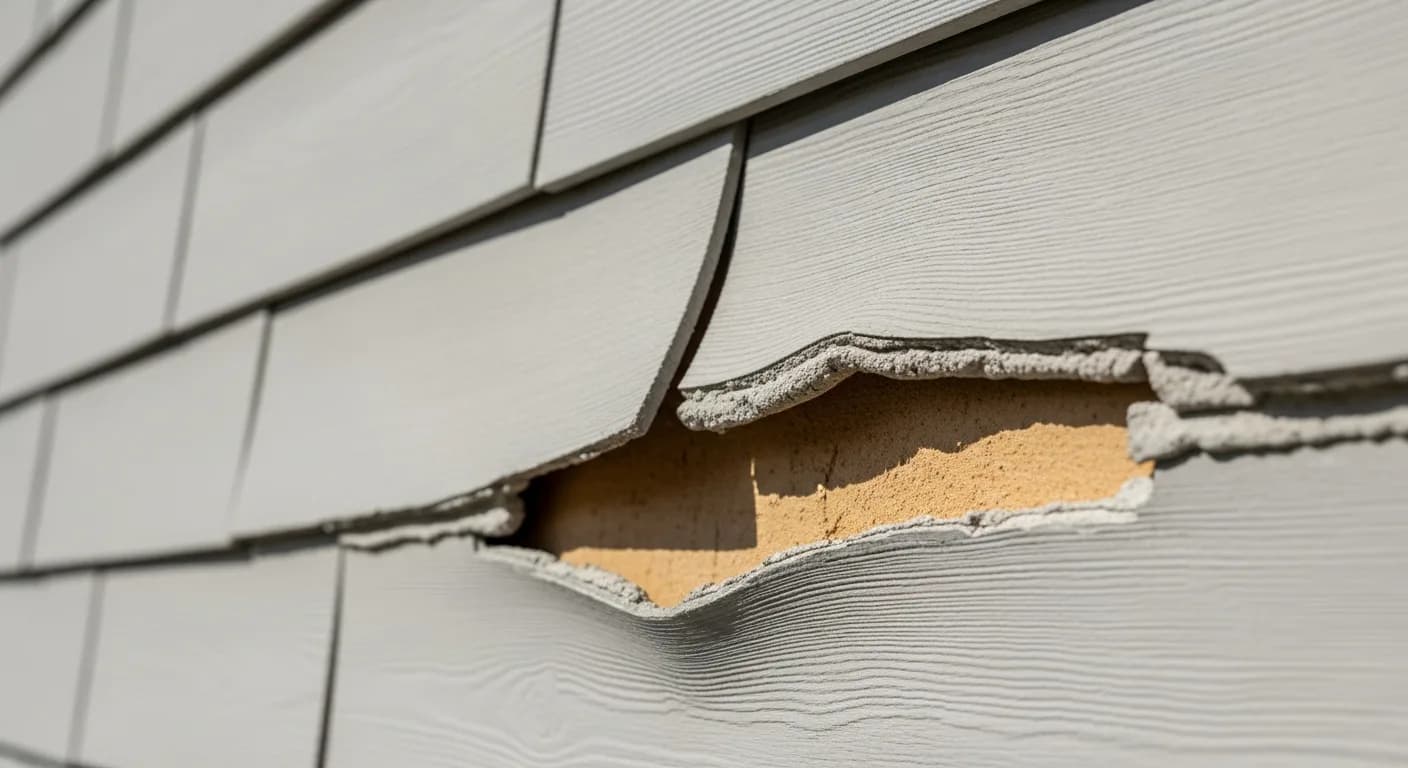
1. Warping or buckling boards — act now
Boards that bow, ripple, or pull away from the wall mean one of two things: moisture has gotten behind the cladding and the substrate is moving, or the siding was installed without proper expansion gaps and is fighting itself in the heat. Either way, warping is not cosmetic — it breaks the wall's weather seal and lets more water in. This is an act-now sign. See diagnosing siding damage types to narrow down the cause.
2. Soft spots you can press in — act now
If you push on the wall and it gives, or a board feels spongy, that is almost always rot in the sheathing behind the siding. By the time it's soft enough to feel, the damage has been developing for a while. This is the single most urgent sign on this list because the cost climbs every month it's ignored. See dry rot behind siding.
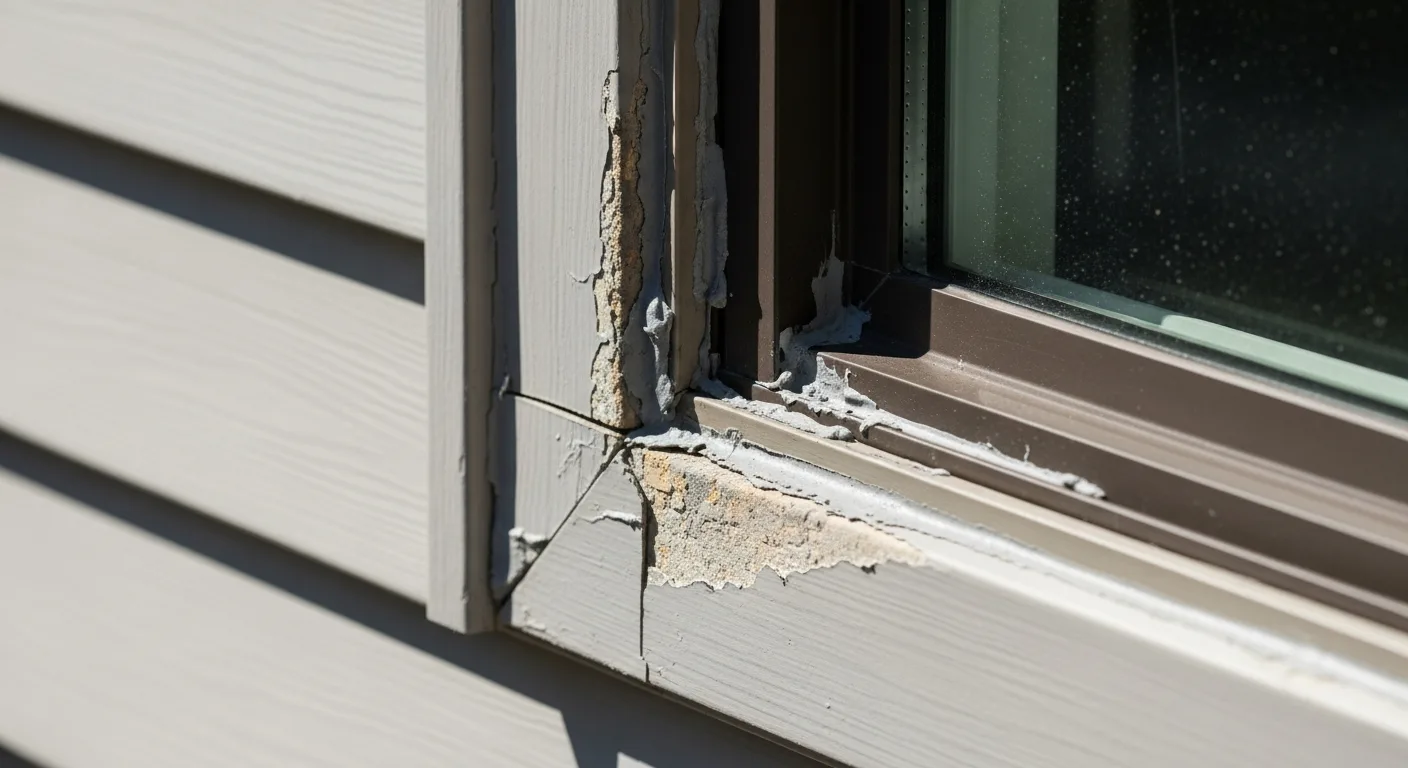
3. Gaps where siding meets windows and trim — soon
Caulk and flashing are what keep water out at the joints. When you see open gaps at window edges, corners, or where trim meets the field, water has a path in. It's rarely an emergency the day you spot it, but it's a 'handle this season' item — small sealant and flashing repairs now prevent the rot in sign #2 later.
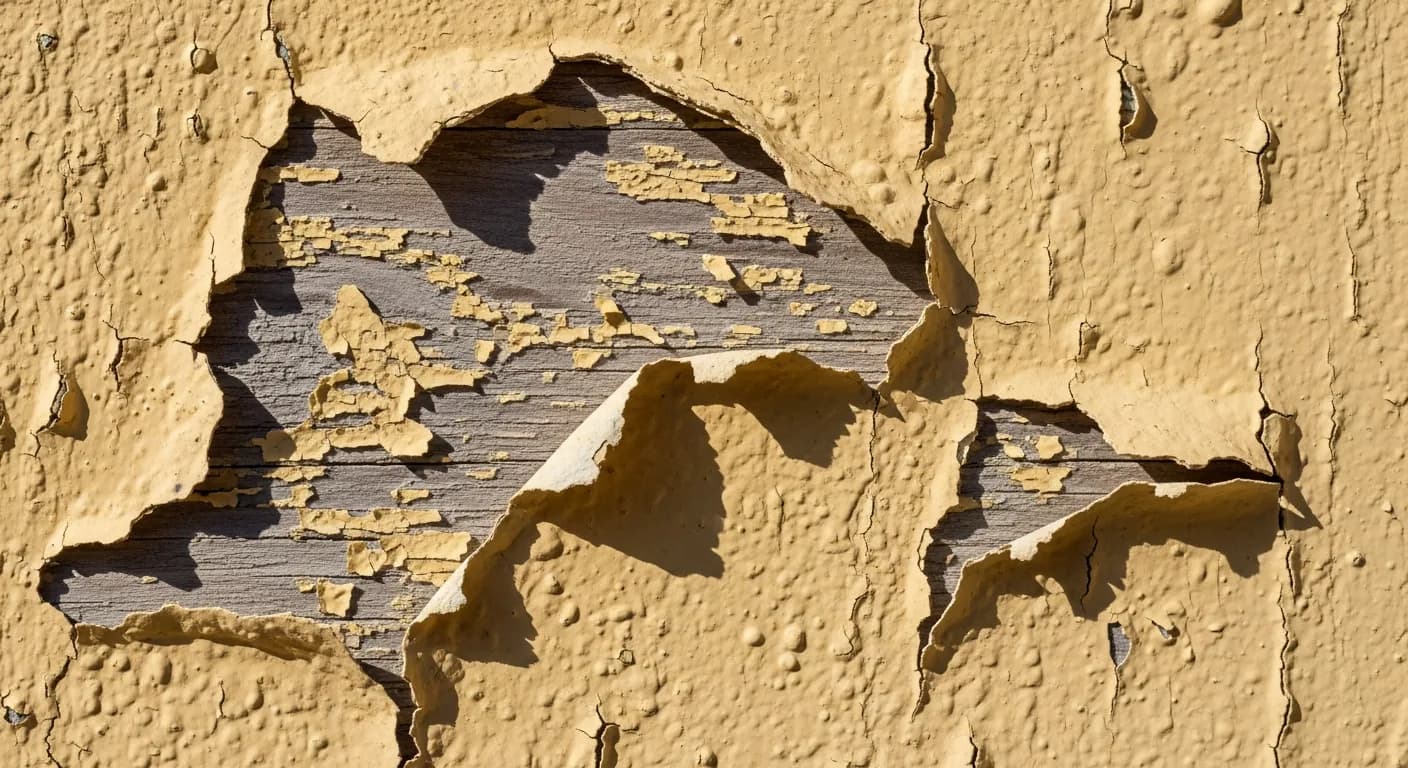
4. Peeling, bubbling, or blistering paint — soon
Paint that won't hold is often the finish telling you moisture is moving through the board from behind, or that the original prep/finish has reached the end of its life. On fiber cement, factory-baked finishes last far longer than field paint — see the best paint for field-painted Hardie. Bubbling specifically (versus simple fading) suggests moisture and is worth a closer look.
5. Fading or chalky residue — monitor
Color that's washed out, or a chalky film on your hand when you wipe the wall, is normal finish aging under California UV, especially on south and west elevations. It's a cosmetic/refresh issue, not a structural one. Monitor it; plan a repaint or refresh when it bothers you, not as an emergency.
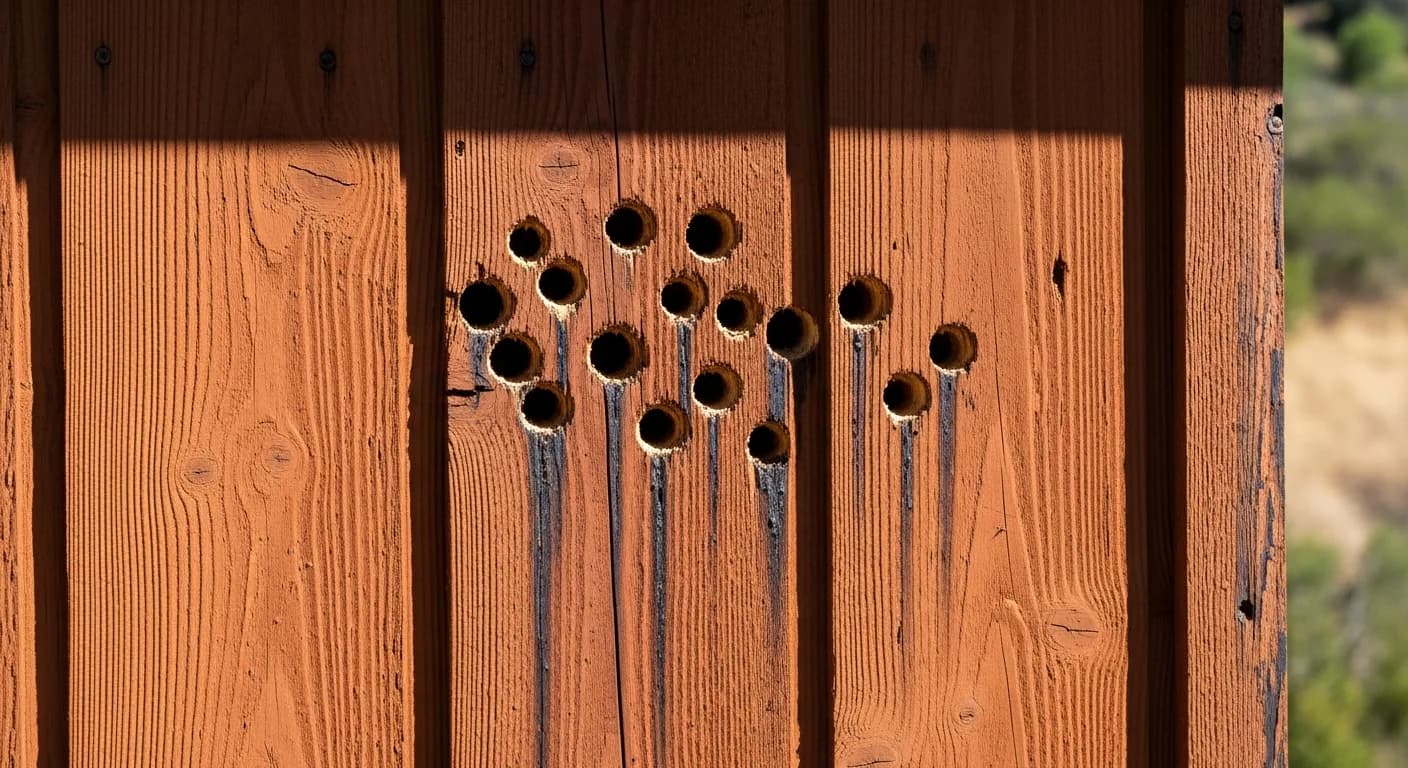
6. Pest holes — woodpeckers, wasps, or rodents — soon
Holes in siding are an entry point for water and more pests, and on combustible siding they can be a wildfire-ember concern. Small isolated holes are a 'soon' repair; widespread woodpecker damage often signals insects inside the wall worth investigating. See diagnosing siding damage types.
7. Rising energy bills or interior drafts — monitor
When siding and its underlying weather barrier fail, the wall's thermal performance drops. If bills climb and rooms feel drafty with no other explanation, the exterior envelope may be part of the story — often alongside windows. See do new windows actually save money for the related diagnosis.
How to tell repair from replacement
One or two isolated signs usually means targeted repair. Multiple signs across several elevations, or any widespread soft-spot/rot finding, usually means the wall system — not just the boards — needs attention. The honest dividing line is covered in repair or replace your siding.
Getting a straight answer before it grows
If you've spotted even one act-now sign, the cheapest move is an early look before small problems compound into a full re-side. Anyone you call should be verifiable on California's Contractors State License Board, and a trustworthy contractor will tell you honestly whether you're facing a quick siding repair or something the whole wall system needs. We'd rather walk your home and tell you a sign can wait than sell you a project you don't need. If something on this list looks familiar, request a free, no-obligation assessment and get a clear read on how urgent it really is.
What a one-board repair actually involves on a California wall
Homeowners often assume swapping a single damaged board is a quick afternoon job, and sometimes it is. But the real scope depends on what sits behind that board. A clean lap-siding replacement means lifting the courses above the damaged piece, sliding out the bad board, and tucking in a new one with matched butt joints and fresh fasteners. The complication in California is that older homes frequently hide brittle felt paper or no weather-resistive barrier at all behind the cladding. Once a board comes off and the sheathing is exposed, the right move is to inspect the barrier, patch or replace it, and reflash before anything new goes back on. Skipping that step is how a cosmetic repair quietly traps moisture. Color matching is the other surprise. Sun-faded boards almost never match a fresh replacement, so a single new piece can stand out until it weathers in, and on a south-facing wall that can take a full season. We walk through these trade-offs honestly during a siding repair assessment, including whether feathering paint across adjacent boards is worth it. If the damage spans more than a few boards on one elevation, a partial re-side of that wall is often cleaner and cheaper per square foot than a dozen scattered single-board fixes that never quite blend.
Reading the wall after wildfire smoke and ember season
California's fire seasons leave marks on siding that are easy to misread. After a nearby burn, vinyl siding can show subtle warping or a glossy, slumped texture on the side that faced the heat, even when no flames reached the home — radiant heat alone can soften it. Wood and fiber cement hold up better to heat but collect a fine, acidic ash that, left on the surface through a wet winter, can etch finishes and accelerate chalking. The urgent items are warped or melted sections near vents, eaves, and the lower courses where embers collect; those are entry points worth addressing before the next dry stretch. If you live in a designated wildfire zone, the rebuild and hardening guidance from CAL FIRE and local WUI building codes increasingly steer homeowners toward noncombustible or ignition-resistant cladding when a wall is being redone anyway. That is one reason fiber cement has become a common upgrade choice here — it does not feed a fire the way wood or vinyl can. If you are weighing whether to repair smoke-affected boards or step up the material during the fix, our fiber cement siding overview lays out where the added cost makes sense. A post-fire walk of the lower walls each fall is cheap insurance against missing a heat-softened panel.
How urgency changes the cost math
The act-now, soon, monitor ratings are not just about safety — they map directly onto what the work costs. A warped board caught while the wall behind it is still dry is a contained repair. The same board left through two rainy seasons can rot the sheathing, wick moisture into a stud bay, and turn a one-wall job into framing and insulation work that touches the interior. That is the real reason urgency matters: the cost curve is steep, not linear. Catching a problem at the monitor or soon stage keeps you on the flat part of that curve. The national Remodeling Cost vs. Value report consistently shows siding replacement returning a strong share of its cost at resale, but that return assumes the underlying structure is sound — hidden rot discovered mid-project erodes both the budget and the payback. Regional factors push California numbers around too: coastal homes pay a salt-air premium for corrosion-resistant fasteners and trim, while inland valleys budget more for UV-stable finishes. For a grounded sense of ranges before you call anyone, our siding cost in California breakdown separates repair-scale numbers from full re-side numbers so the two do not get blurred together in your head. The cheapest version of every one of these seven signs is the one you act on while it is still small.
Verifying the contractor before you let anyone open a wall
Because so many of these warning signs hinge on what is hidden behind the cladding, the person you hire matters as much as the material. In California, any siding job over a few hundred dollars in combined labor and materials legally requires a licensed contractor, and you can confirm a license, its current status, and any history directly through the Contractors State License Board before signing anything. A trustworthy assessment of a soft spot or a gap should include photos of what is found once a board is lifted, not just a verbal verdict, so you can see the moisture intrusion or rot for yourself rather than taking it on faith. Be wary of anyone who quotes a full re-side sight-unseen from a single warped board, and equally wary of anyone who promises a permanent fix without ever checking the weather barrier behind the damage. A fair process starts with diagnosis: what the sign means, how far the damage actually extends, and a clear repair-versus-replace recommendation with the reasoning attached. That is the spirit behind our on-site approach — we would rather tell you a wall can wait a season than sell you work it does not need yet. When you are ready for that honest read on what your siding is telling you, you can request an assessment through our estimate request and get specifics tied to your actual wall.
Key takeaways
- Warping and soft spots are act-now signs — they mean water is already in the wall
- Gaps, peeling paint, and pest holes are 'soon' — cheap now, expensive if ignored
- Fading and chalking are normal UV aging — cosmetic, not urgent
- South and west elevations age fastest in California sun
- Multiple signs across elevations point to a system problem, not a board problem
- A soft spot you can press in is the most urgent sign on the list
FAQ
Quick Answers
Isolated damage in one area usually means repair; widespread signs across multiple elevations, or any significant rot, usually means the wall system needs replacement. An on-site assessment is the only honest way to know.
It's urgent. Warping breaks the wall's weather seal and often signals moisture behind the cladding, so it tends to get worse — and more expensive — the longer it waits.
Usually sun exposure — south and west elevations take the most UV in California and finishes fail there first. It can also indicate moisture moving through the board if bubbling is present.
They're worth addressing soon. Holes let in water and pests, and widespread pecking can indicate insects living in the wall. On combustible siding they're also an ember concern in fire areas.
It can contribute. When siding and the weather barrier behind it fail, the wall loses thermal performance, which can show up as higher bills and drafts — often alongside aging windows.
A well-installed fiber cement system commonly performs 30+ years structurally, though sun-facing finishes may want a refresh sooner. See our material-by-material lifespan guide for specifics.
Sources
Authoritative references
- James Hardie — official product & installation resources
- Contractors State License Board (CSLB) — verify a California contractor
External links to government, code, and manufacturer sources. Sierra Siding is not affiliated with these organizations; references are provided for verification.