10 min read · Buyer's Guide
"How long will it last?" is the right question to ask before buying siding — but most answers collapse two very different things into one number. Every siding system has two clocks: the finish life (how long the color and surface hold up) and the structural life (how long the material itself protects the wall). They run at different speeds, and California's sun, fog, and fire conditions push on each differently. This guide gives honest service-life ranges for the six materials you'll actually consider, explains what shortens them, and helps you judge value over decades rather than years. For choosing among them, pair this with siding types for California homes; for the brand specifics, see the James Hardie complete guide.
Two clocks: finish life vs. structural life
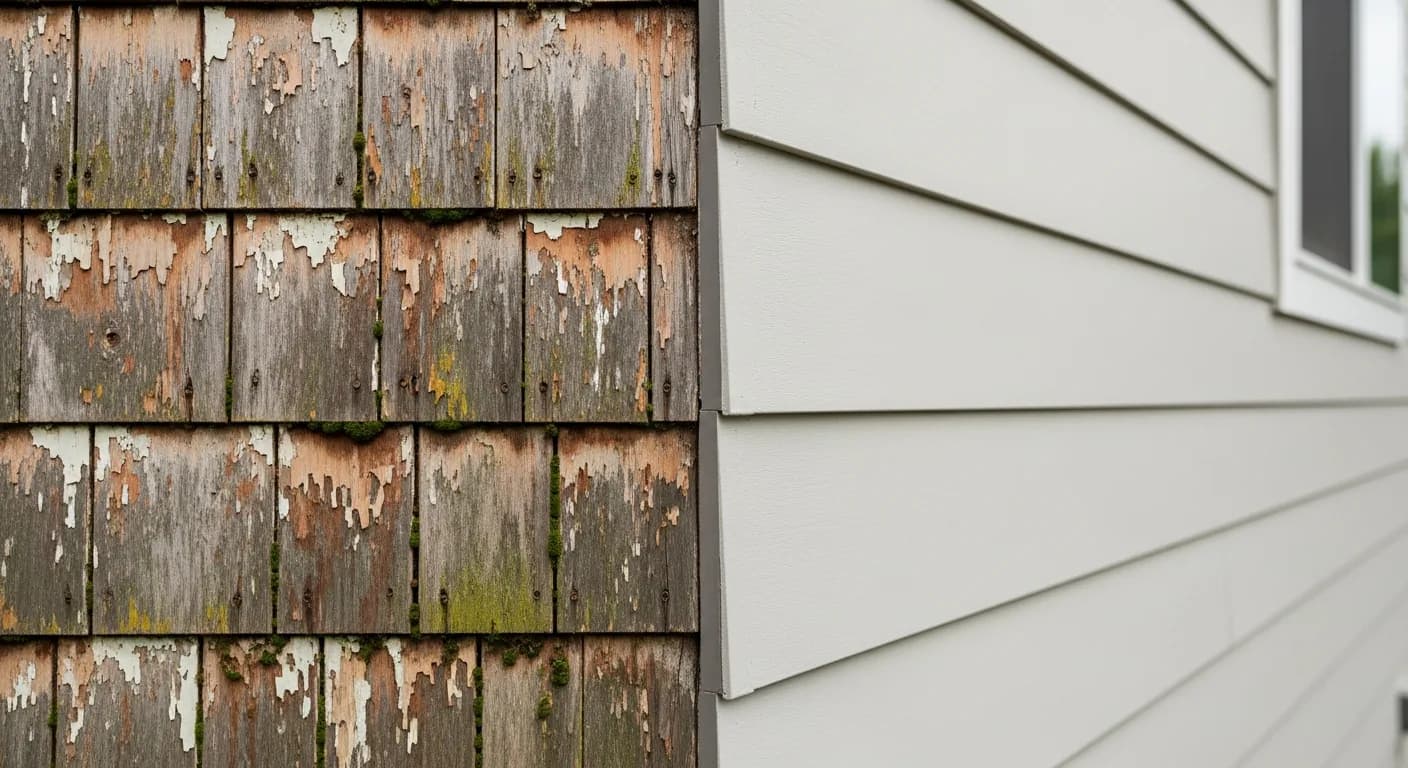
Before the numbers, the key distinction. The finish — factory color or field paint — is the surface that fades, chalks, and eventually needs refreshing. The substrate — the board itself — is the structural material that keeps water out of the wall. A material can have a long structural life but need its finish refreshed several times along the way (fiber cement is the classic example), or a shorter structural life where finish and board reach the end together. Judge siding on both clocks, not one.
Fiber cement — the California long-haul choice
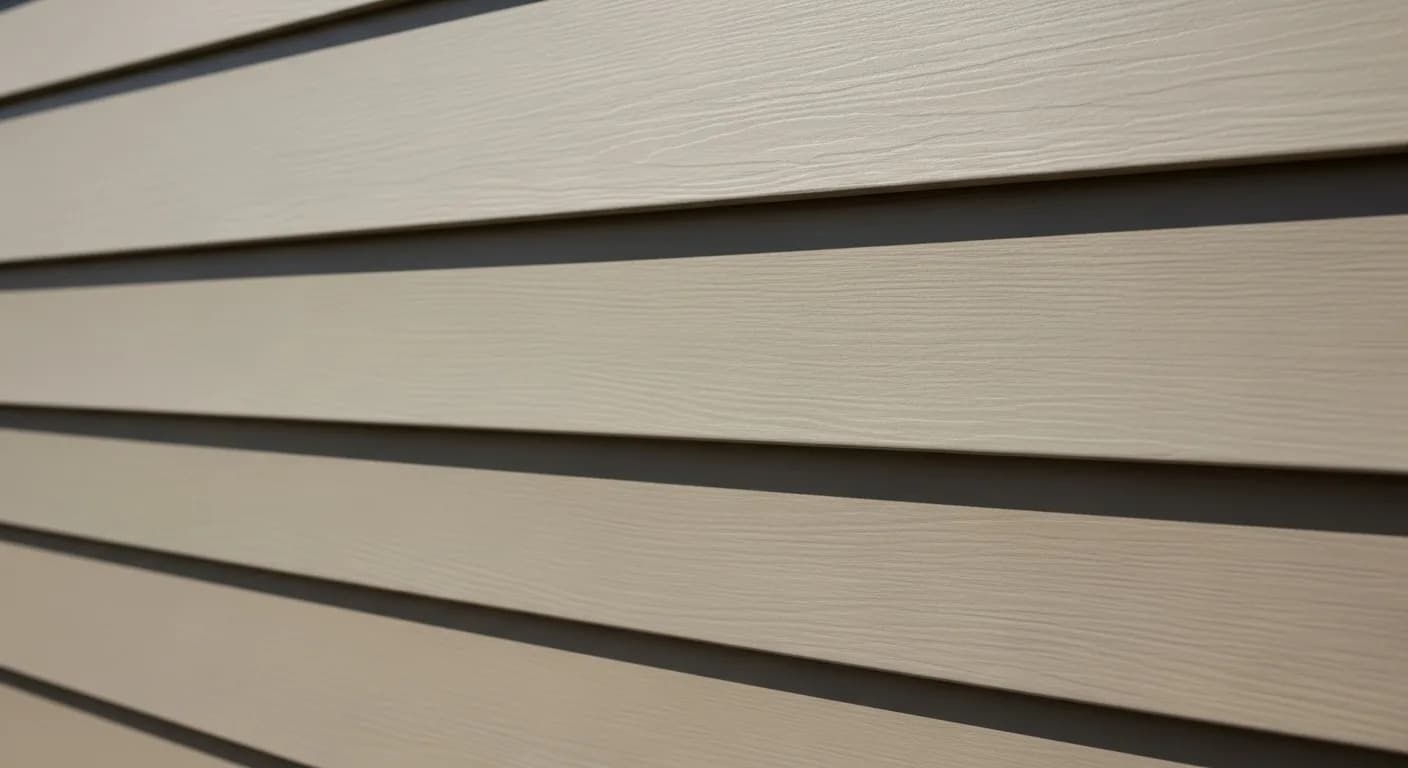
Properly installed fiber cement commonly performs 30+ years structurally and resists California heat, UV, moisture, and fire (it's non-combustible). Its factory-baked color holds far longer than field paint, though sun-facing elevations may want a refresh before the board is anywhere near done. The biggest limiter isn't the material — it's install quality: gapping, fastening, ground clearance, and flashing determine whether it reaches its potential. It's our default for most California homes.
Engineered wood (LP SmartSide) — long, in the right climate
Treated engineered wood offers genuine wood character with strong durability — long structural life when kept painted and detailed well, and excellent paint adhesion. Its limiter is two-fold: it's combustible, so it's a poor fit for wildfire-exposed foothill and mountain parcels, and its life depends on maintaining the finish so moisture never reaches the strands. In low-fire areas with upkeep, it performs well for decades.
Vinyl — moderate life, heat-limited here
Vinyl can last a long time as a material and never needs painting, but California's intense valley sun is its enemy: dark colors and west elevations can warp, and older or lower-grade vinyl grows brittle and fades. Its finish and structural clocks are essentially the same — when it fails, you replace rather than refinish. Reasonable on lower-exposure, budget-driven projects; rarely the long-term value pick on a premium or sun-baked home.
Natural wood — beautiful, demanding, shortest finish clock
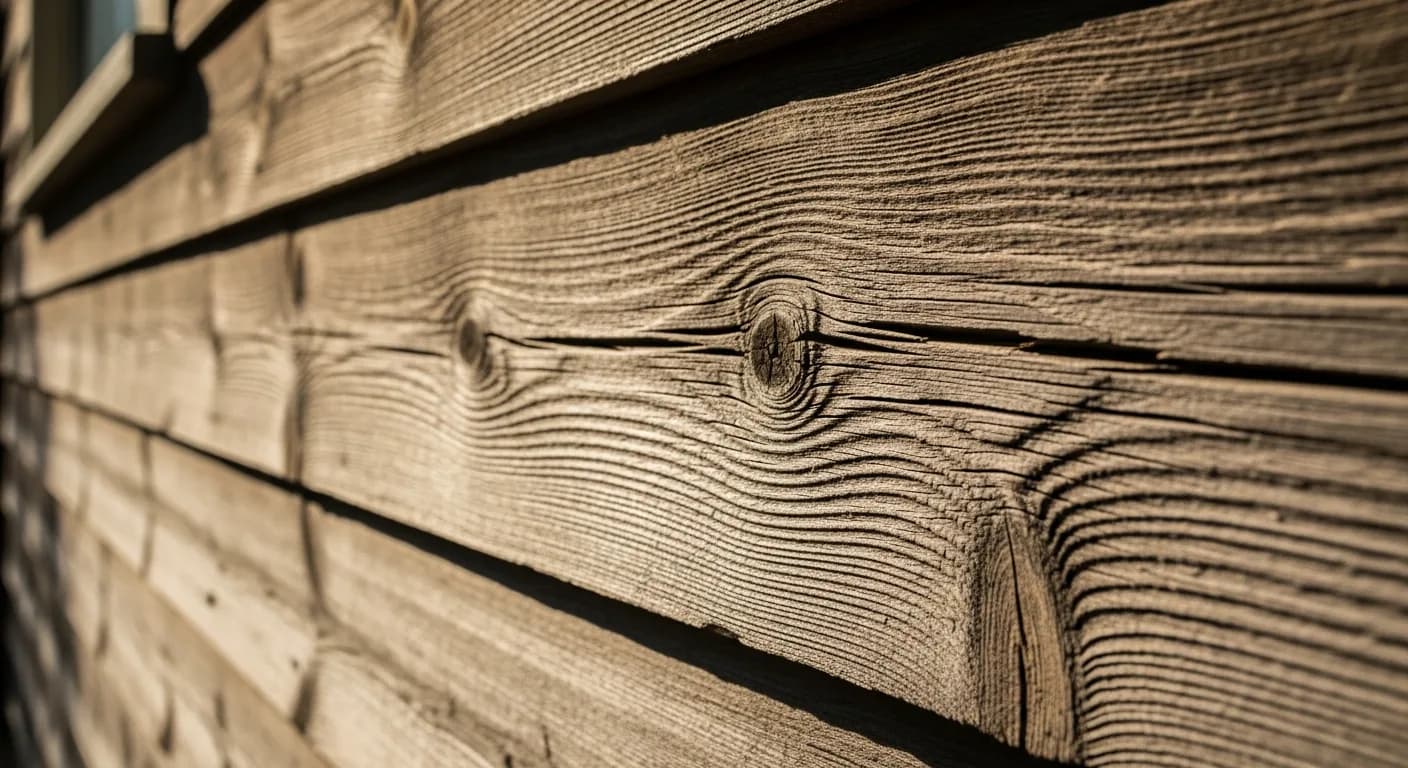
Real wood siding is unmatched for character but has the most demanding maintenance and the shortest finish clock — it needs regular sealing or repainting, and neglect leads to rot, cupping, and pest damage. With diligent upkeep it lasts for decades; without it, far less. It's combustible, limiting it in fire areas, and it's generally a period-restoration or low-fire-area choice for owners who accept the maintenance commitment.
Stucco — long-lived, only as good as its detailing
Much of California's housing stock is stucco, and as a material it's durable and non-combustible with a long life. Its limiter is cracking and trapped moisture: cracks track building movement, and water that gets behind poorly detailed stucco causes hidden damage. Well-detailed stucco lasts decades with periodic crack repair and repainting; poorly detailed stucco hides problems until tear-off reveals them.
Aluminum — durable but dated and dent-prone
Aluminum siding is non-combustible and long-lived structurally, doesn't rot, and was common on mid-century homes. Its limiters are cosmetic: the finish chalks and fades over time, and the soft metal dents easily. It's rarely specified new today, but where it exists and is sound, it can be repainted to extend its serviceable life rather than replaced outright.
How to read these lifespans for your decision
The longest structural life only pays off if the wall behind it is sound and the install is right — which is why a failing wall favors replacing rather than repairing. And the cheapest material is rarely the cheapest exterior over 30 years once you count repaint cycles and early failure. Weigh both clocks against what siding costs in California and your home's exposure before deciding.
Choosing for the long haul
The longest-lasting exterior is the one whose material, finish, and install all match your home's exposure — which is why James Hardie and other fiber-cement systems are the California default for owners who want to stop the repair cycle. If your current wall is near the end of either clock, that's the moment the repair-versus-replace call tips toward replacing, and choosing among materials is covered in siding types for California homes. For a recommendation matched to your climate zone and budget, request a free assessment and we'll spec the system with the best lifetime value for your home.
The maintenance schedule that decides whether you hit the high end of the range
Every lifespan range in this guide has a quiet assumption baked in: that the siding is actually maintained. Skip the upkeep and you live at the bottom of the range; stay disciplined and you reach the top. The work is not glamorous. Once a year, walk the full perimeter and look for hairline caulk separations at trim, windows, and butt joints, because a failed caulk bead lets water behind the cladding long before the panel itself fails. Every two to three years, rinse the walls to clear pollen, spider webbing, and the gray film that builds up on shaded north elevations near the coast. Repaint or recoat on the manufacturer's clock, not when the color finally looks tired, since waiting until you see chalking means UV has already started breaking down the surface. Re-seal end cuts the day a board is trimmed, because a raw factory-primed edge is the single most common entry point for moisture. Keep sprinklers off the wall and trim shrubs back a foot or two so air can move and dry the surface after fog. None of this extends the structural clock by itself, but it protects the finish clock and keeps small problems from becoming wall-rot problems. If you are unsure what your specific material needs, a quick assessment during siding repair scoping will tell you which clock is actually running down first.
Microclimate matters more than the state average
Quoting a single California number hides how different the state's conditions really are, and your microclimate can move a material up or down by a decade. A foggy coastal stretch in the Bay Area or along the North Coast keeps walls damp for hours each morning; that constant moisture cycle is hard on wood and on any finish that was applied a little too thin, and it encourages mildew on shaded elevations. The Central Valley flips the problem: relentless summer heat and intense UV bake vinyl and fade darker paint colors faster, so a south or west wall there ages noticeably quicker than a north wall on the same house. Sierra and foothill homes add freeze-thaw cycling and heavy snow load against the lower courses, which punishes poorly sealed joints. And across the wildland-urban interface, fire exposure is its own factor; the state's CAL FIRE guidance pushes noncombustible and ignition-resistant cladding precisely because ember intrusion, not just flame, drives material choice in those zones. The practical takeaway is to read the lifespan ranges through the lens of your own lot. Two identical homes, one in coastal fog and one in valley heat, will not get the same service life from the same product. When you weigh options, factor your exposure alongside material in siding types for California homes rather than trusting a flat statewide figure.
When age tips the scale from repair to full replacement
Knowing how long a material lasts is only useful if it changes a decision, and the decision most homeowners actually face is repair versus replace. A good rule is to compare the cost of the fix against the remaining structural life of the surrounding siding. Patch a few damaged boards on a wall that is only ten years into a fifty-year material and you are spending wisely. Patch the same boards on a wall that is already past its expected structural life and you are pouring money into a system that will fail elsewhere within a year or two. Watch for the signals that the substrate clock, not just the finish clock, has run out: soft spots you can press into, paint that will no longer hold no matter how often you recoat, widespread movement or buckling, and moisture or mold appearing on interior walls. Any one of those points past cosmetic repair. Color mismatch is another quiet tipping point, because discontinued profiles or faded runs can make a small patch look worse than the damage it replaced. To estimate where you sit, line up the likely repair scope against the figures in siding cost in California; when repairs start approaching a meaningful fraction of replacement, full replacement usually wins on value. If you want a second opinion on which clock has actually expired, request a walkthrough through the free estimate process before committing either way.
Warranty length is not the same as real-world lifespan
Material warranties get marketed as proof of longevity, but they answer a narrower question than most buyers assume, and reading them carefully changes how you interpret every lifespan number above. A long substrate warranty tells you the manufacturer is confident the board will not rot, crack, or delaminate; it usually says far less about the finish, which is often covered for a much shorter term and under stricter conditions. Many finish warranties also prorate, meaning the payout shrinks every year, so a headline figure rarely reflects what you would actually recover late in the term. Just as important, almost every warranty is conditional on correct installation and documented maintenance, which is why fastener spacing, clearance from the ground, flashing, and sealed end cuts matter so much; a product installed outside spec can void coverage no matter how durable the material is. That is also why the installer's credentials carry weight, and verifying a contractor through the Contractors State License Board is a reasonable step before any major job. Transferability is the last nuance worth checking. Some warranties pass to a future buyer once, which becomes a quiet selling point at resale, while others end the moment the original owner sells. When you compare materials such as fiber cement siding against cheaper alternatives, weigh the real terms and conditions, not just the number printed on the brochure.
Siding material lifespans in California conditions
| Material | Finish life | Structural life | Biggest limiter |
|---|---|---|---|
| Fiber cement | Long (factory finish) | 30+ years | Install detailing |
| Engineered wood (LP) | Repaint cycle | Long with upkeep | Combustible; needs maintained finish |
| Vinyl | Same as board | Moderate | Valley heat / UV warping |
| Natural wood | Shortest; frequent reseal | Decades with diligence | Maintenance and fire exposure |
| Stucco | Repaint cycle | Long | Cracking / trapped moisture |
| Aluminum | Chalks and fades | Long | Dents; dated look |
Key takeaways
- Every siding has two clocks — finish life and structural life — that run at different speeds
- Fiber cement commonly lasts 30+ years structurally and is the California long-haul default
- Engineered wood lasts well in low-fire areas with maintained paint, but it's combustible
- Vinyl's enemy is valley heat; its finish and structural clocks are essentially the same
- Natural wood has the shortest finish clock and the highest maintenance demand
- Install quality and detailing limit real-world life more than the material on the box
FAQ
Quick Answers
A properly installed fiber cement system commonly performs 30+ years structurally, with the factory finish typically outlasting field paint. Sun-facing elevations may want a finish refresh before the board itself is near the end of its life.
Fiber cement, stucco, and aluminum all have long structural lives. Fiber cement is usually the best overall California choice because it pairs that longevity with fire resistance and a durable factory finish — provided the installation is done well.
Vinyl can last a long time as a material, but California's intense sun shortens it in practice — dark colors and west elevations can warp, and older or lower-grade vinyl becomes brittle and fades. When it fails, it's replaced rather than refinished.
Enormously. Gapping, fastening, ground clearance, and flashing determine whether siding reaches its potential lifespan. The most common failure found at tear-off isn't a bad product — it's good product over an under-detailed wall assembly.
Finish life is how long the color and surface hold up before needing a refresh; structural life is how long the board itself keeps protecting the wall. Materials like fiber cement have a long structural life but may need the finish refreshed along the way.
Usually, over a 30-year horizon. The cheapest material is rarely the cheapest exterior once repaint cycles, repairs, and early failure are counted, so longer-lived materials like fiber cement often win on lifetime cost.
Sources
Authoritative references
- James Hardie — official product & installation resources
- Zonda — 2025 Cost vs. Value Report (exterior remodel ROI)
External links to government, code, and manufacturer sources. Sierra Siding is not affiliated with these organizations; references are provided for verification.