
8 min read · Guide
Whether you can re-side in winter or through the rainy season is one of the most common timing questions homeowners ask — and the honest answer is "yes, usually, but it depends heavily on where you are and how the crew manages it." California isn't one climate: a January re-side is routine in Sacramento and impossible in Truckee. This guide explains what cold and wet weather actually do to a siding install, where it's fine and where it isn't, and how a competent crew protects your home and the work when the forecast turns. For the broader project timeline, see how long a re-side takes.
The real concern isn't cold — it's an open wall in the wet
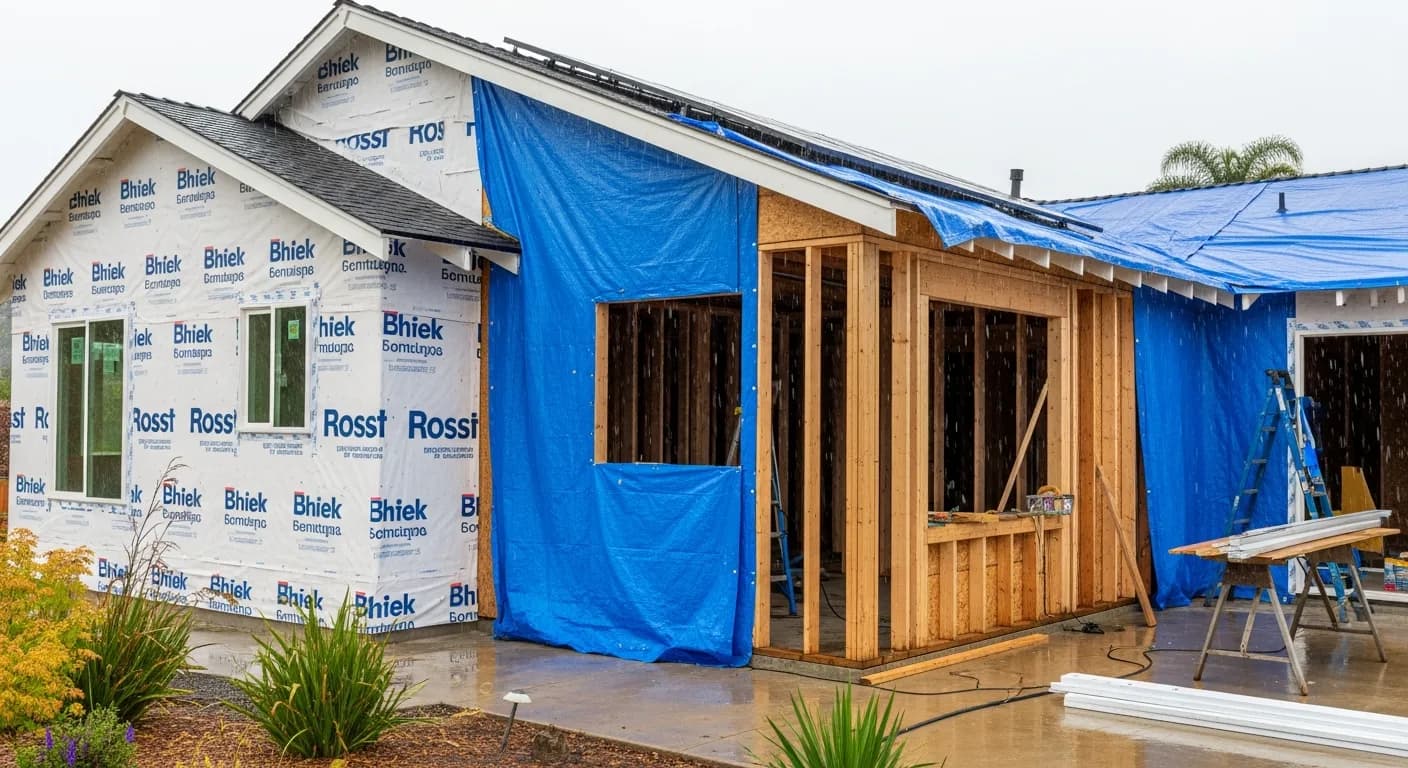
The risk in off-season siding work isn't temperature for its own sake; it's water getting into a wall that's been opened for tear-off. A re-side proceeds in stages, and the vulnerable moment is between removing the old cladding and getting the weather-resistive barrier and flashing back on (the 'dry-in'). A good crew manages this by working in sections, drying-in each area before exposing the next, and watching the forecast so a wall is never left open going into a storm. Done that way, intermittent rain is a scheduling nuisance, not a damage risk.
The Sacramento Valley: winter is the soft season, not a barrier
Across Sacramento, Roseville, Folsom, and the inland valley, winters are mild — cool and sometimes wet, but rarely freezing for long. Exterior work continues year-round here, and as covered in the timing guide, winter is actually the easier season to schedule. The main adjustment is rain: crews sequence the work around wet days and dry-in promptly. A valley homeowner can absolutely re-side in December or January; the project may simply flex a few days around storms.
Rain delays are normal — and built into a good schedule
California's wet season runs roughly November through March, and during it a re-side will likely catch some rain days. Reputable contractors plan for this: they build buffer into the timeline, keep tarps and temporary dry-in materials on hand, and won't fasten finish materials or paint in active rain (adhesion and moisture-trapping problems). If a contractor promises an off-season project with zero weather flex, that's a yellow flag — honest scheduling names the variable. See the questions worth asking.
The mountains: winter generally stops the work
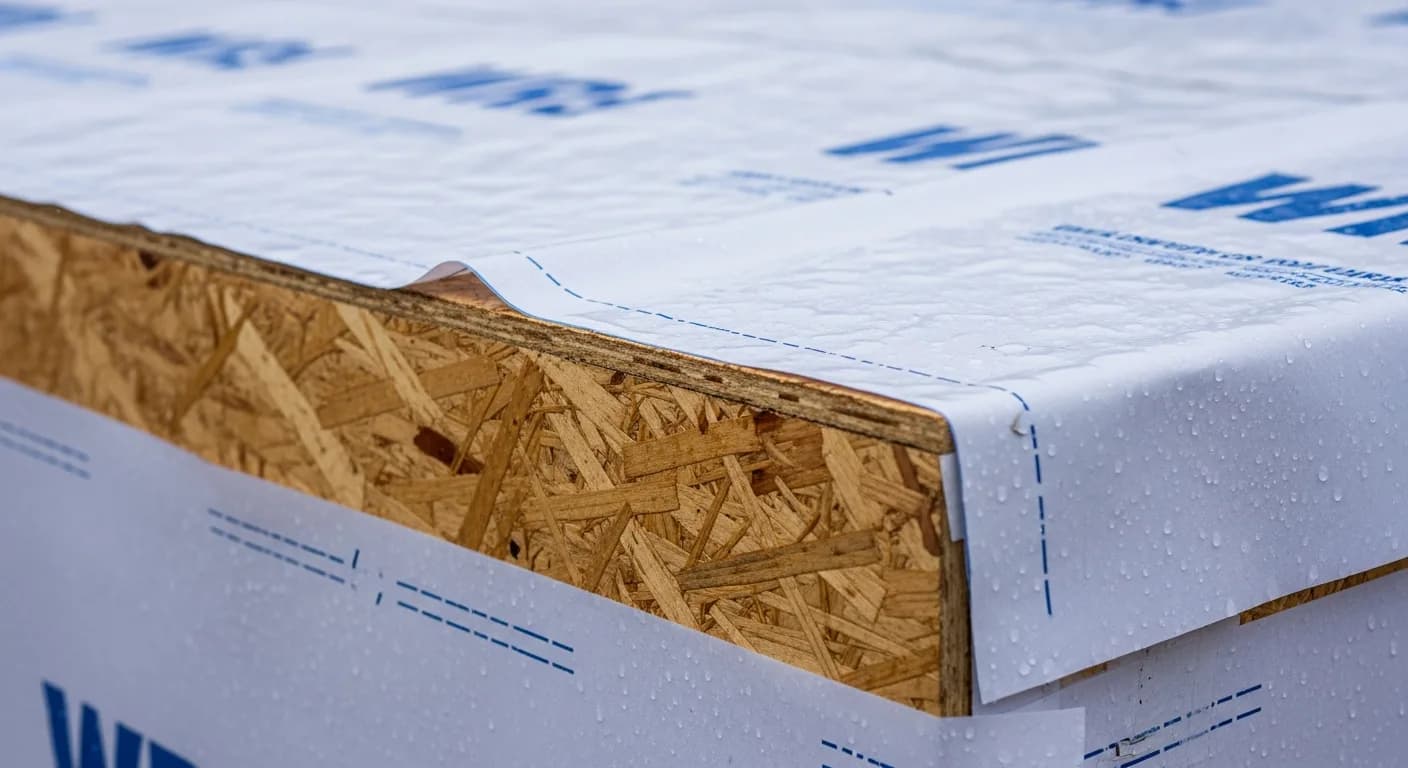
Tahoe, Truckee, and the higher foothills are the exception. Deep snow, frozen ground, and sustained freezing temperatures make winter siding work impractical and risky — you can't leave a wall open against a snowstorm, and some materials and finishes have minimum temperature requirements for proper installation and curing. Mountain re-sides run the snow-free window, roughly late spring through fall. If you own a mountain home, plan around that calendar rather than expecting winter work. See weatherproofing a Tahoe mountain exterior.
Temperature limits on finishes and sealants
Even in the mild valley, very cold mornings matter for one reason: paints, caulks, and sealants have minimum application temperatures, below which they don't cure or adhere properly. Factory-finished fiber cement sidesteps much of this because the color is already baked on, but field-applied caulk and any field painting still need appropriate conditions. A competent crew schedules those steps for the warmer part of the day and the drier part of the week — another reason the factory finish on fiber cement siding is the low-risk choice for off-season work, installed to James Hardie best practice.
The coast and Bay Area: moisture, not cold
Along the coast and in the Bay Area, the off-season challenge is persistent damp and marine humidity rather than freezing. The work is feasible year-round, but the drying-capable wall assembly and careful flashing matter even more in a climate that's wet for months. The crew's moisture discipline — sequencing, dry-in, and not trapping damp behind new cladding — is what protects a coastal home through a winter install.
So should you do it in the off-season?
In the valley, Bay Area, and coast: yes, winter and the rainy season are workable and often the easier time to schedule, provided the crew manages water properly. In the mountains: no — wait for the snow-free window. Either way, the deciding factor isn't the calendar, it's whether the contractor sequences the work to keep your wall protected. When you're ready, request a free estimate and we'll give you a realistic, weather-aware schedule for your specific location.
How a crew dries-in the wall before the forecast turns
The single most important off-season practice is sequencing the job so the wall is never left exposed overnight in wet weather. Rather than stripping the entire house in one pass, a careful crew works in vertical sections, pulling the old cladding, inspecting the sheathing, then immediately re-covering that bay with a weather-resistive barrier before moving on. The house-wrap and any flashing go up the same day the old siding comes down, so even a surprise overnight shower lands on a sealed surface rather than bare plywood. Loose felt and wrap seams get taped and fastened tightly, because a flapping edge in a winter wind funnels water exactly where you don't want it. End-of-day tarping of any partially opened section is standard, with the tarp lapped over the wrap so runoff sheds outward. This staged approach is slower than a dry-summer teardown, and an honest estimate for January work should reflect that the crew is trading raw speed for moisture control. If your wall reveals hidden rot once it's opened, that discovery is actually easier to manage in the off-season because the section is small and already isolated. You can read more about what we look for once a wall is open on our siding repair page. The takeaway is that the protection is procedural, not magical, and you should expect a winter crew to talk through their dry-in plan before any cladding comes off.
Fiber cement in cold and damp: what actually changes
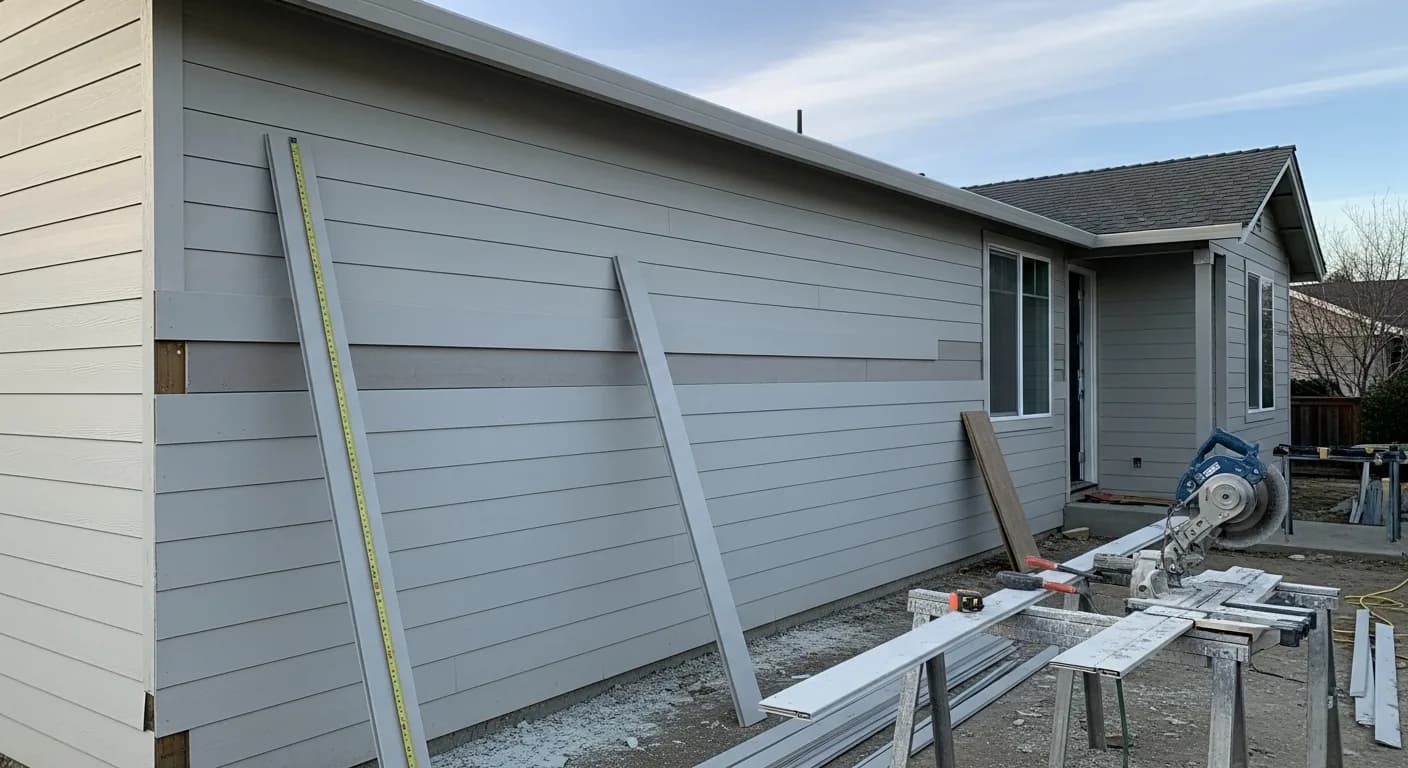
Fiber cement is one of the more forgiving materials for off-season work because the board itself is dimensionally stable and doesn't expand and contract dramatically with temperature the way vinyl does. The board can be cut, fastened, and hung in cold weather without cracking concerns that some homeowners assume apply. What does change is everything wet that goes with it. The manufacturer's installation guidance from James Hardie calls for fastening into dry, sound framing and for caulk and field-applied touch-up paint to cure within their stated temperature windows, which is where winter introduces real limits. Cold slows caulk curing and can leave a skin that traps moisture underneath, so a crew often shifts sealant work to the warmer part of the day or uses products rated for lower temperatures. Pre-finished board is a strong winter choice precisely because the color coat was baked on at the factory, removing job-site painting from the cold-weather equation entirely. Storage matters too: boards stacked outside should stay flat, dry, and off the ground, since a saturated board is heavier, harder to cut cleanly, and slower to accept paint later. If you're weighing materials for an off-season install, our fiber cement siding overview covers how the product behaves on the wall, and the practical upshot is that fiber cement handles cold framing well but asks for patience on the wet finishing steps.
Permits, inspections, and the holiday slowdown
Beyond weather, the off-season has an administrative rhythm that affects your start date. Many California building departments run lean between late December and mid-January, and inspection scheduling can stretch out around the holidays even when the sky is clear. If your re-side involves structural repairs to opened framing, a sheathing or weather-barrier inspection may need to happen before the new cladding goes up, and a backed-up inspector calendar can leave a wall dried-in but waiting longer than it would in spring. A well-run crew plans for this by booking inspections early and keeping the wall fully protected during any gap. It's also worth confirming your contractor's license status before signing, which you can verify through the Contractors State License Board regardless of season. The flip side is genuine: winter is often a slower stretch for established crews, which can mean more attentive scheduling, a faster crew assignment, and a project manager who isn't juggling six summer jobs at once. That availability is one of the quieter advantages of an off-season re-side. If you want to understand how permitting fits into the overall arc of the job, the broader timeline guide linked at the top of this article walks through it, and you can also start a conversation about your specific window through our estimate request. Planning around the calendar, not just the forecast, is what keeps an off-season project on track.
Reading a Tahoe or foothill micro-forecast before committing
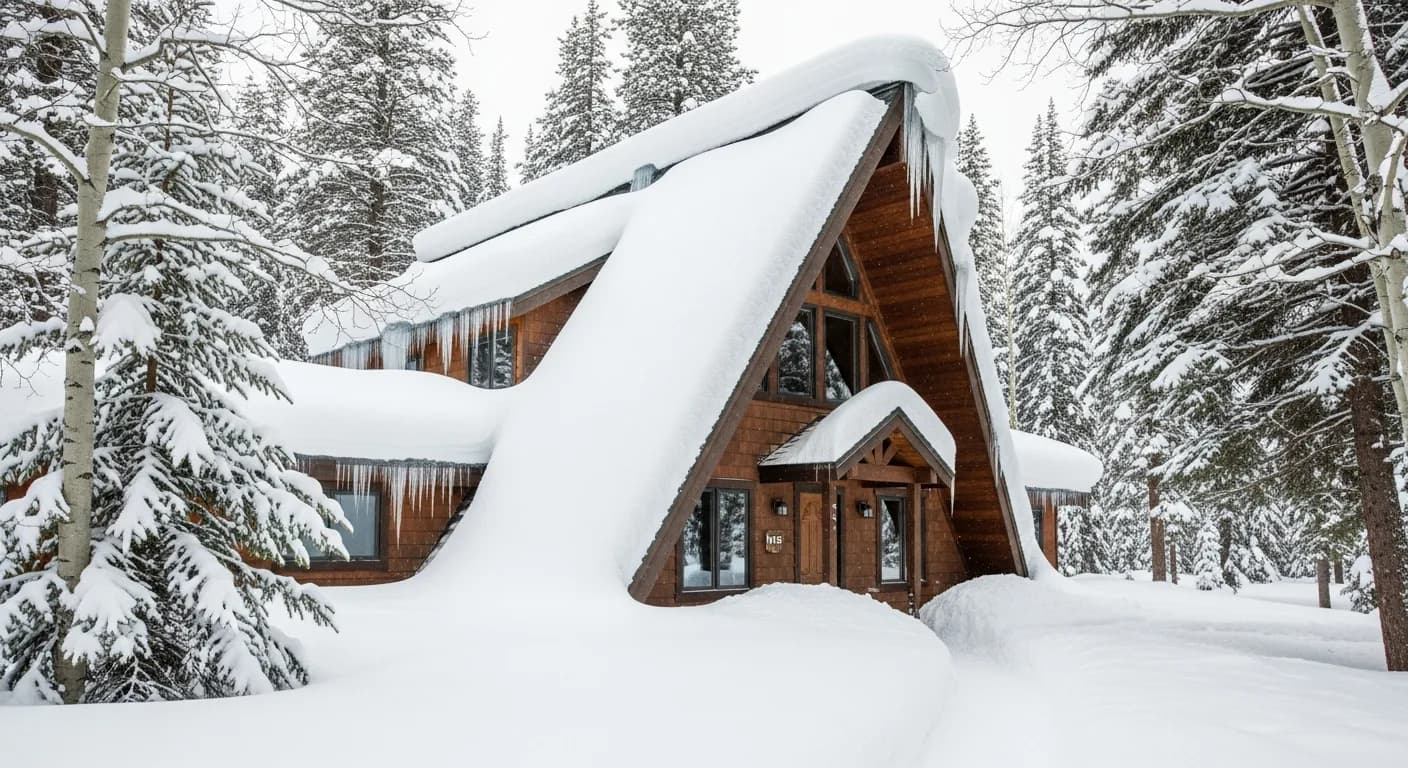
In the Sierra foothills and mountains, the decision to proceed isn't about the season label but about a specific weather window, and learning to read one is worth the effort. A mid-winter high-pressure ridge can deliver a run of dry, sunny days even at elevation, and a crew that can mobilize quickly may complete a small, well-sequenced section during that gap. The risks to watch are different from the valley's: overnight lows that drop below sealant and adhesive thresholds, frozen ground that complicates staging and scaffolding, and the ever-present chance that a storm arrives ahead of the predicted clearing. Snow load on an opened wall is a serious hazard that a valley install never faces, which is why mountain crews keep exposed sections tiny and re-cover aggressively. Fire-season scheduling also intersects here, since some foothill homeowners deliberately push exterior work to the wetter months to avoid red-flag interruptions; the seasonal patterns tracked by CAL FIRE help frame why that trade-off can make sense. The practical rule is to treat any foothill winter start as conditional on a confirmed multi-day dry stretch, with a clear plan to pause and protect if the window collapses. For a sense of how regional climate shapes the right approach for your home, our fiber cement siding overview pairs well with this timing guide, and the bottom line is that a foothill winter re-side is entirely doable when the weather window, not the calendar, drives the decision.
Key takeaways
- The real risk is an open wall in the wet, not cold itself — sequencing and prompt dry-in manage it
- In the Sacramento Valley, winter is the soft, workable season — just flex around rain days
- Rain delays are normal Nov–Mar; honest schedules build in buffer for them
- In Tahoe and the high foothills, winter generally stops the work — plan for the snow-free window
- Caulk, paint, and sealants have minimum temperatures; factory-finished fiber cement avoids most of that
- On the coast/Bay Area the off-season challenge is damp, not freeze — moisture discipline is key
FAQ
Quick Answers
Active rain pauses certain steps — crews won't dry-in over a wet wall, fasten finish materials, or paint in the rain. But a re-side proceeds in sections and works around wet days; intermittent rain is a scheduling factor, not a reason it can't be done.
In the mild valley, Bay Area, and coast — yes, winter is workable and often easier to schedule. In Tahoe and the higher foothills, snow and freezing temperatures generally stop exterior work until the late-spring-to-fall window.
Mainly through finishes: caulks, sealants, and paint have minimum application temperatures for proper curing. Factory-finished fiber cement avoids most of this, while field-applied steps get scheduled for the warmer, drier part of the day.
Not if the crew sequences the work correctly — opening only what they can dry-in before weather, and never leaving a wall open going into a storm. Proper sequencing and temporary protection are exactly how reputable contractors handle the wet season.
Yes — deep snow, frozen ground, and freezing temperatures make it impractical and risky, and materials have minimum install temperatures. Mountain re-sides run the snow-free season, so plan around that calendar.
In the wet season, expect the timeline to flex a few days around storms; a good contractor builds that buffer into the schedule up front. It rarely adds cost — it adds calendar flexibility.
Hardie fiber cement itself is unaffected by getting wet, but the install still pauses in active rain: crews will not dry-in over a wet wall, fasten finish boards, or apply caulk and field paint in the rain. The work proceeds in sections and sequences around wet days, with each opened wall dried-in before weather arrives. A Hardie re-side runs fine through California rainy season - rain shifts the schedule, it does not stop the job.
Sources
Authoritative references
- James Hardie — official product & installation resources
- Contractors State License Board (CSLB) — verify a California contractor
External links to government, code, and manufacturer sources. Sierra Siding is not affiliated with these organizations; references are provided for verification.