
9 min read · Guide
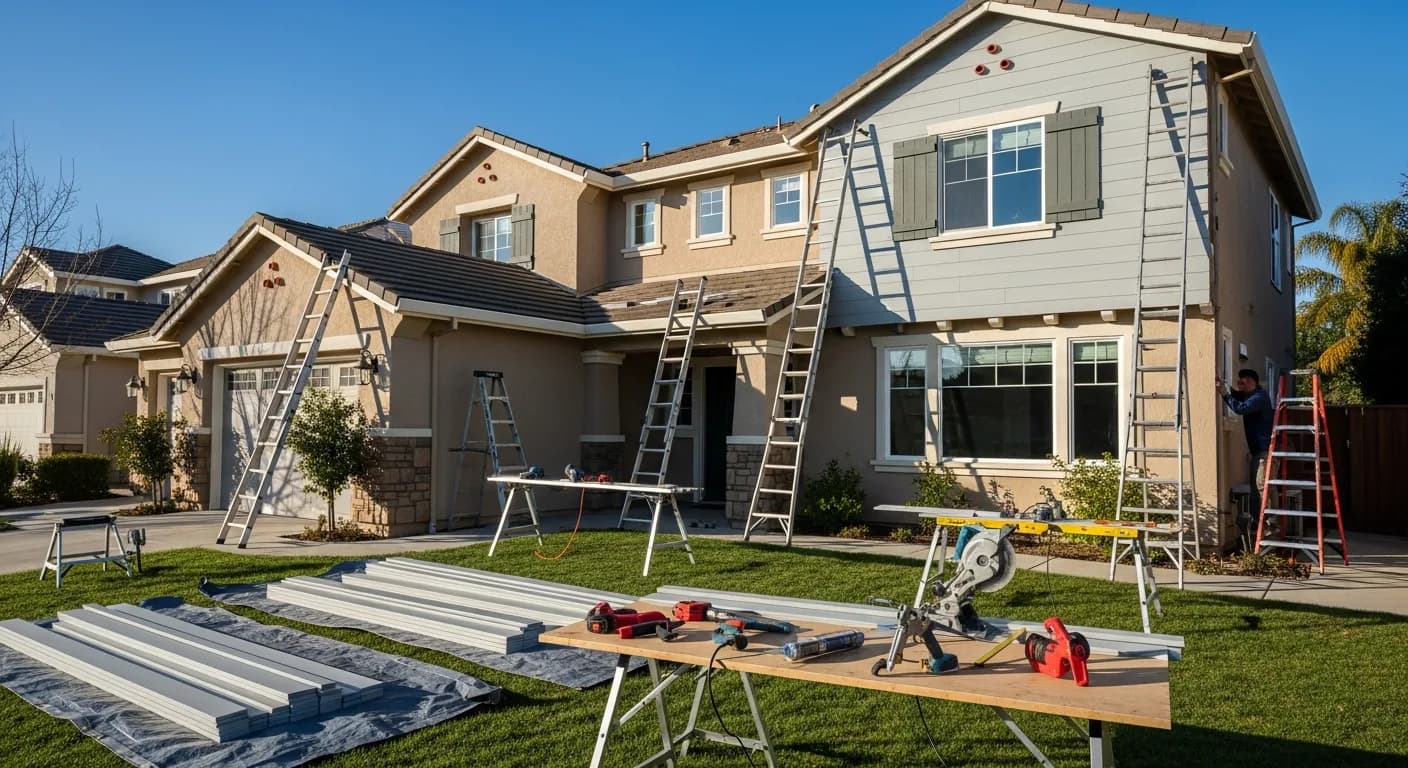
"When's the cheapest time to do this?" is a fair question on a five-figure project, and the honest answer is more nuanced than a calendar month. Siding isn't deeply discounted by season the way mattresses or cars are; the real levers are contractor demand cycles, the weather window your home's location allows, and year-over-year material and labor inflation. Timed well, you can get more attention, faster scheduling, and occasionally better pricing — timed poorly, you wait through peak season and pay a premium. This guide explains how each factor actually moves the number across California's very different climates, and what saves more money than timing ever will. For the underlying ranges, see what siding costs in California.
There's no dramatic 'sale season' — set that expectation first
Unlike retail, exterior contracting doesn't run seasonal blowout pricing. A re-side is priced from labor hours, material quantity, and project complexity, none of which change because it's March versus September. What does shift is a contractor's schedule pressure and lead time, which can translate into modest pricing flexibility and a lot more scheduling flexibility. So the goal isn't to chase a mythical discount month — it's to land in the window where a quality crew has time for your job and isn't quoting peak-demand rates.
Late fall through winter: the valley's soft season
Across the Sacramento Valley and most of inland California, demand for exterior work cools as the weather does. Many homeowners stop thinking about siding once summer ends, which means reputable contractors have lighter schedules from roughly late fall into winter. The valley's mild winters allow most exterior work to continue, so this is often the window where you get faster scheduling, more of the owner's attention, and the best chance at sharper pricing. The trade-off is shorter daylight and the occasional rain delay — manageable in the valley, not so in the mountains.
Spring and summer: peak demand, peak pricing
When the weather turns nice, everyone wants their exterior done at once. Spring and summer are when contractor calendars fill, lead times stretch to weeks or months, and pricing firms up because crews are fully booked. If you start shopping in May for a summer job, you're competing with every other homeowner who had the same idea. You can absolutely do quality work in summer — California's dry season is ideal for it — but you'll generally pay peak rates and wait longer for a slot.
The mountains flip the calendar entirely
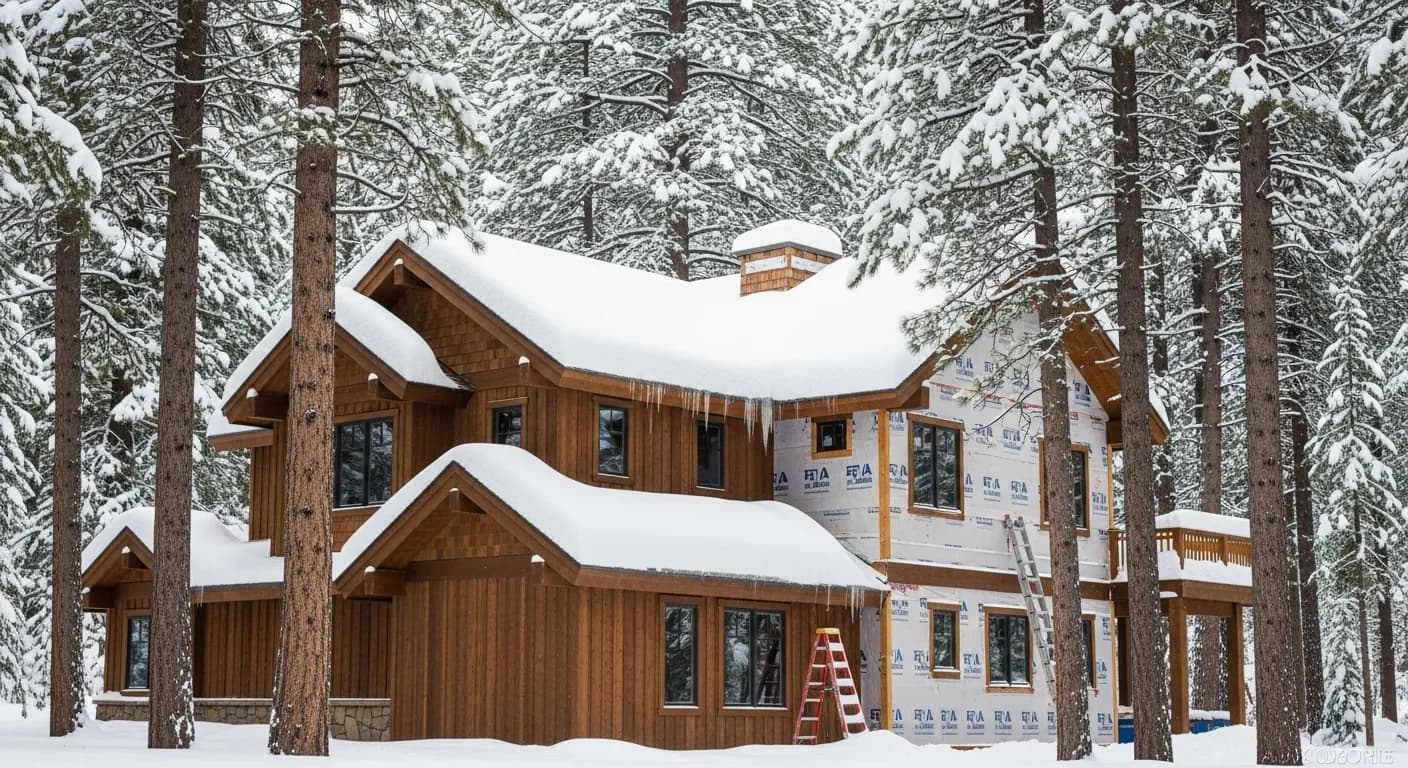
In Tahoe and the higher foothills, season isn't about pricing — it's about possibility. Snow, frozen ground, and freeze-thaw cycles compress the practical build window to roughly late spring through fall, and a wall can't be left open in a winter storm. That makes 'cheapest time' the wrong question for a mountain home; the right question is securing a slot in a short, in-demand season. Mountain homeowners should book well ahead, because the calendar — not the budget — is the binding constraint. See siding installation by climate zone.

Inflation usually outweighs any seasonal saving
Here's the factor that quietly dominates: material and labor costs have risen meaningfully year over year, and they keep climbing. Waiting eight months for a hypothetical 'cheaper season' often means paying more than you would have today, because the underlying cost base moved up more than any seasonal swing would have saved. If a project is needed, the timing question is better framed as this season versus next year — and 'this year' usually wins on pure cost. The deeper driver behind those numbers is covered in why siding costs so much in 2026.
The smart play: book in the off-season for an early start
The move that actually captures the off-season advantage is to use the slow months for planning and contracting, not necessarily for the install itself. Get on a good contractor's schedule in late fall or winter — when they have time to design carefully and quote competitively — for a late-winter or early-spring start before the peak rush. You lock attention and pricing during the soft season and execute before everyone else floods the calendar. It's the closest thing to a seasonal discount that exists in this trade.
What saves more than timing
Honestly, scope discipline saves more than the calendar. A clear, complete bid with no vague allowances; avoiding a rushed timeline that forces overtime or premium scheduling; addressing the right scope (a targeted repair versus a full re-side where appropriate, covered in repair or replace); and choosing a material on lifetime cost rather than sticker price. Those decisions move the number far more than whether you start in February or June. Vetting well also avoids the costliest mistake — see questions to ask before hiring and verify any contractor's license on the Contractors State License Board.
Timing your California re-side
If you want the best combination of price, attention, and schedule, plan in the off-season for an early-season valley start — and for a mountain home, book ahead for the limited build window regardless of price. But don't let 'waiting for a cheaper time' delay a project the home actually needs, because inflation tends to erase the wait's savings. When you're ready to scope it for your specific home and timeline, request a free, no-obligation estimate and we'll give you a realistic schedule and number.
Permit and inspection timing can quietly add weeks
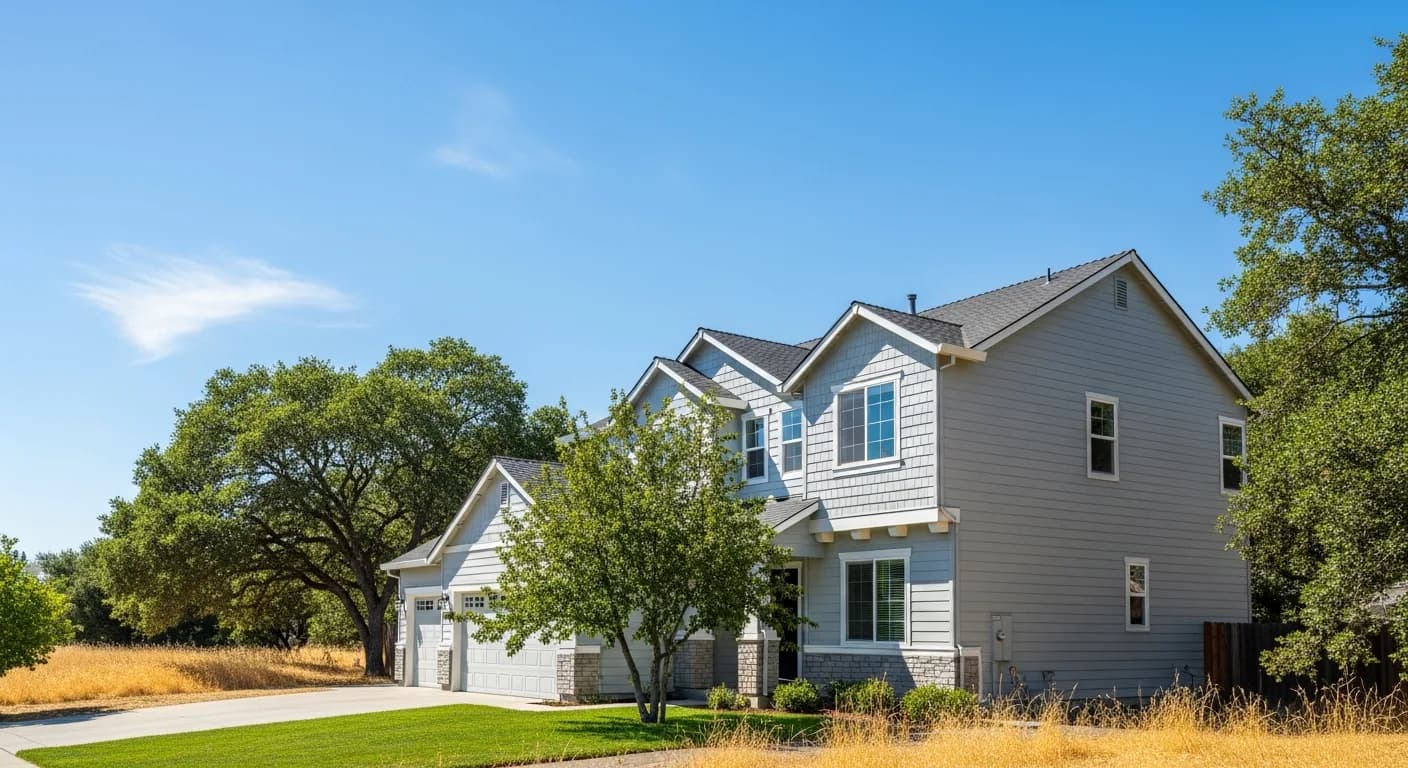
One scheduling factor that rarely shows up in a price conversation is how long your local building department takes to turn around a permit. Most California re-sides that change material, add a weather-resistive barrier, or touch structural sheathing need a permit, and review queues swing seasonally just like contractor calendars do. Many jurisdictions slow down through the late-spring and summer building rush, when remodels, decks, and new-construction submittals all pile into the same plan-check queue. Submitting in the quieter late-fall and winter stretch often means a faster approval, which is part of why an off-season booking can translate into an earlier real start date rather than just a theoretical one. If you are unsure whether your scope triggers a permit, your contractor should pull it on your behalf and confirm the requirement against your city or county rules; you can verify any contractor's standing through the Contractors State License Board before signing. Inspections add their own timing wrinkle, since a mid-project sheathing or barrier inspection has to be scheduled around inspector availability, and a job that stalls waiting for sign-off costs you nothing extra in dollars but eats calendar. Building this lead time into your plan, and starting the conversation early, is the single most reliable way to keep a seasonal price advantage from evaporating into a multi-week delay. When you are ready, you can request an estimate to begin the clock.
Material choice changes how much season even matters
How sensitive your project is to timing depends heavily on what you are installing. Fiber cement, for instance, tolerates a wide installation window and is forgiving in the dry, moderate stretches that dominate much of the California calendar, which makes its scheduling pressure more about crew availability than weather. You can read more about that material on the fiber cement siding page, and manufacturers like James Hardie publish installation guidance that crews follow regardless of the month. Products that rely on adhesives, caulks, or factory finishes applied on site are a different story, because many sealants and coatings have minimum-temperature and humidity requirements that a cold valley morning or a damp coastal afternoon can violate. Pushing those products in marginal conditions risks adhesion failures and warranty headaches, so a reputable crew will simply wait for a workable window, which can blunt any off-season savings. Engineered wood and certain composite panels sit in between, generally happy in mild conditions but slower to install when moisture is high. The practical takeaway is that the cheapest month for a low-maintenance, weather-tolerant cladding may not be the cheapest month for a finish-sensitive one. Decide your material first, then let its real installation tolerances shape your timing rather than chasing a generic off-season discount that may not apply to what you have actually chosen for your home.
A repair-now, replace-later sequence when budget is tight
Not every homeowner facing a failing wall needs to swallow a full re-side in one season, and timing strategy looks different when cash flow is the constraint. If only one or two elevations are genuinely compromised, a targeted fix can buy you a year or two to schedule the larger project into a cheaper window on your own terms. Addressing active water intrusion, soft sheathing, or a damaged section through focused siding repair stops the damage from spreading while you save, gather bids, and watch for a slower contractor stretch. This sequence works best when the repair is genuinely localized rather than a symptom of whole-house failure, so an honest inspection up front matters more than the calendar. The risk to avoid is spending meaningful money patching siding that is within a year of full replacement anyway, where the repair dollars simply vanish into the eventual teardown. A good contractor will tell you plainly which situation you are in. Done thoughtfully, though, staging the work lets you take the urgent pressure off, protect the structure through the next rainy season, and then book the comprehensive replacement during late fall or winter when demand is softer. That sequencing is often a larger lever on total cost than the few percentage points any single off-season month might shave off the full-project price.
Wildfire-zone homes face a different timing calculus
For homes in or near California's high-fire-severity zones, the timing conversation shifts from saving money to managing risk and availability. Properties in these areas often need ignition-resistant cladding to meet hardening expectations, and the same noncombustible materials that satisfy those requirements tend to be in heaviest demand during and immediately after fire season, when awareness spikes and neighbors scramble to upgrade. That surge can tighten both material lead times and crew calendars in late summer and fall, exactly when valley demand is otherwise starting to ease. You can check whether your parcel sits in a designated severity zone through CAL FIRE mapping before you plan. The strategic move for these homeowners is to plan the upgrade well ahead of peak fire months rather than reacting after a regional event, both to secure preferred materials and to avoid bidding against a wave of urgent demand. Insurance carriers increasingly reward or even require hardened exteriors, so the value of a fire-resistant re-side reaches beyond the project invoice into renewal terms and premiums, which can outweigh any seasonal price difference entirely. If your home is exposed, treat the cheapest-month question as secondary to choosing a compliant material and locking in a crew before the next fire-season rush arrives.
Key takeaways
- Siding isn't discounted by season — demand cycles and weather windows are the real levers
- Late fall/winter is the valley's soft season: faster scheduling, the best shot at sharper pricing
- Spring/summer is peak demand, peak pricing, and the longest lead times
- In the mountains, season decides whether work is even possible — book ahead, not for price
- Year-over-year inflation usually outweighs any seasonal saving — 'this year' often beats waiting
- Scope clarity and good vetting save more money than timing the calendar
FAQ
Quick Answers
Late fall through winter in the valley tends to offer the best scheduling and the best chance at sharper pricing, because contractor demand is lower. There's no deep seasonal discount, though — the savings are modest and mostly come as faster scheduling and more attention.
In the Sacramento Valley and inland areas, the mild winter is the soft season, so it can be modestly cheaper and easier to schedule. In the mountains, winter generally isn't an option at all due to snow and freeze.
Usually no. Material and labor costs have risen year over year, so waiting often costs more than any seasonal saving would recover. If the home needs the work, doing it this year typically beats waiting for a 'cheaper' season.
Book well ahead for the late-spring-through-fall window. In the mountains, snow and frozen ground compress the build season, so securing a slot matters more than chasing a price.
Get on a good contractor's schedule during the slow late-fall/winter months — when they have time to design and quote competitively — for an early-spring start before the peak rush. That captures the off-season advantage without a winter install.
Scope discipline matters most: a complete, clear bid; the right scope (repair vs. full re-side); no rushed timeline forcing premium scheduling; and judging materials on lifetime cost. Those move the number more than the month you start.
Sources
Authoritative references
- Zonda — 2025 Cost vs. Value Report (exterior remodel ROI)
- Contractors State License Board (CSLB) — verify a California contractor
External links to government, code, and manufacturer sources. Sierra Siding is not affiliated with these organizations; references are provided for verification.