
9 min read · Guide
The first reaction to a re-side quote is often "why is it that much?" It's a fair question, and the answer isn't that contractors are gouging — it's that a quality exterior is a labor-intensive, material-heavy, increasingly code-driven project, and several of those cost bases have risen sharply in recent years. Understanding where the money actually goes makes a quote far less alarming and helps you tell a fair bid from both an inflated one and a too-good-to-be-true one. This is the honest breakdown of California siding cost in 2026. For the ranges themselves, see what siding costs in California.
Labor is the largest piece — and skilled labor is scarce
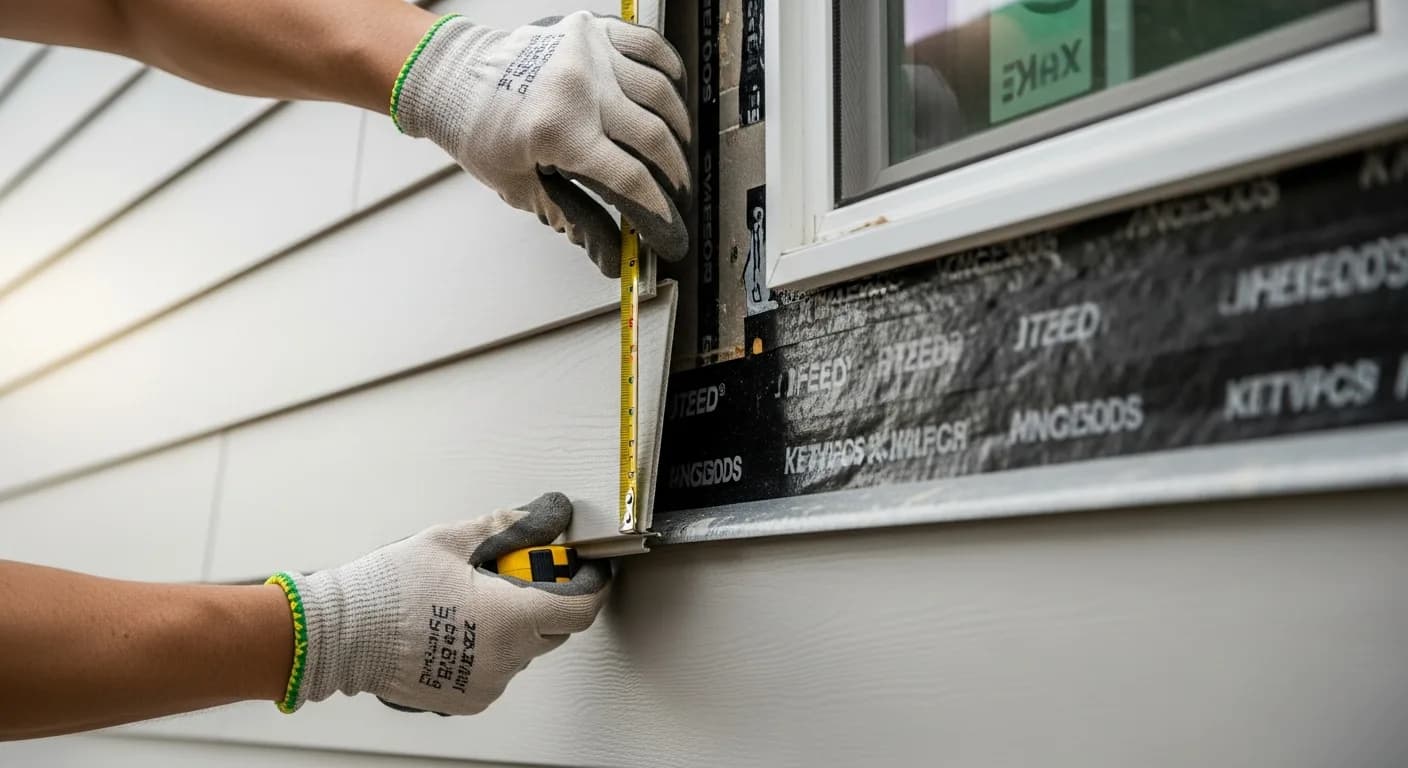
On most re-sides, labor is the biggest line, and it has climbed because skilled exterior trades are in short supply across California. A correct install isn't fast or unskilled work: it's careful tear-off, substrate inspection, precise flashing and weather-barrier detailing, and exacting trim. The crews who do it well are in demand and priced accordingly. A bid that's dramatically cheaper on labor usually means a less experienced crew or corners cut on the detailing that determines whether the wall lasts.
Material costs have risen — and kept rising
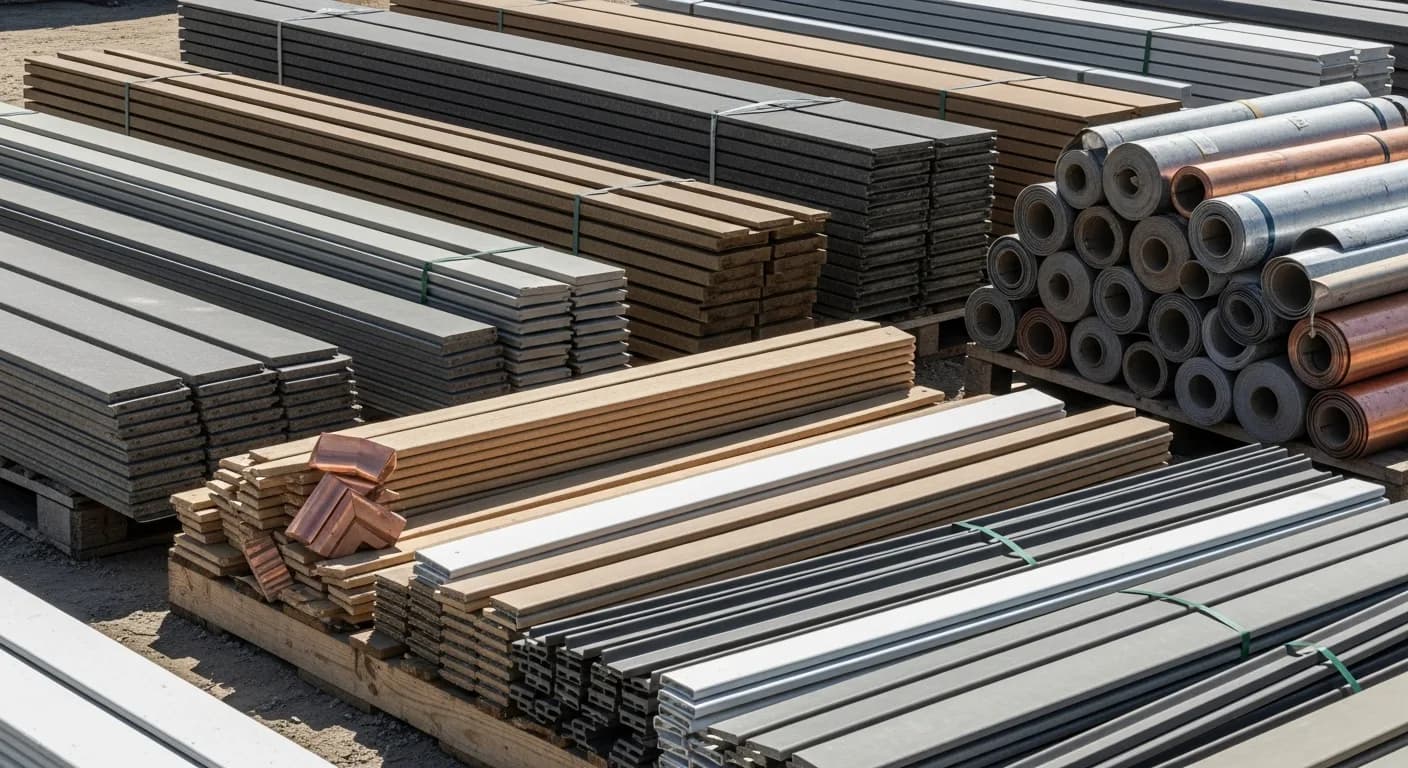
The cost of fiber cement, engineered wood, fasteners, flashing, weather-resistive barrier, and trim has all moved up materially in recent years, driven by manufacturing, freight, and demand. Because a re-side is material-heavy, those increases show up directly in the quote. This is also why waiting for a 'cheaper year' rarely works — the material base tends to climb faster than any timing strategy saves, as covered in the cheapest time to replace siding.
It's a whole system, not just boards
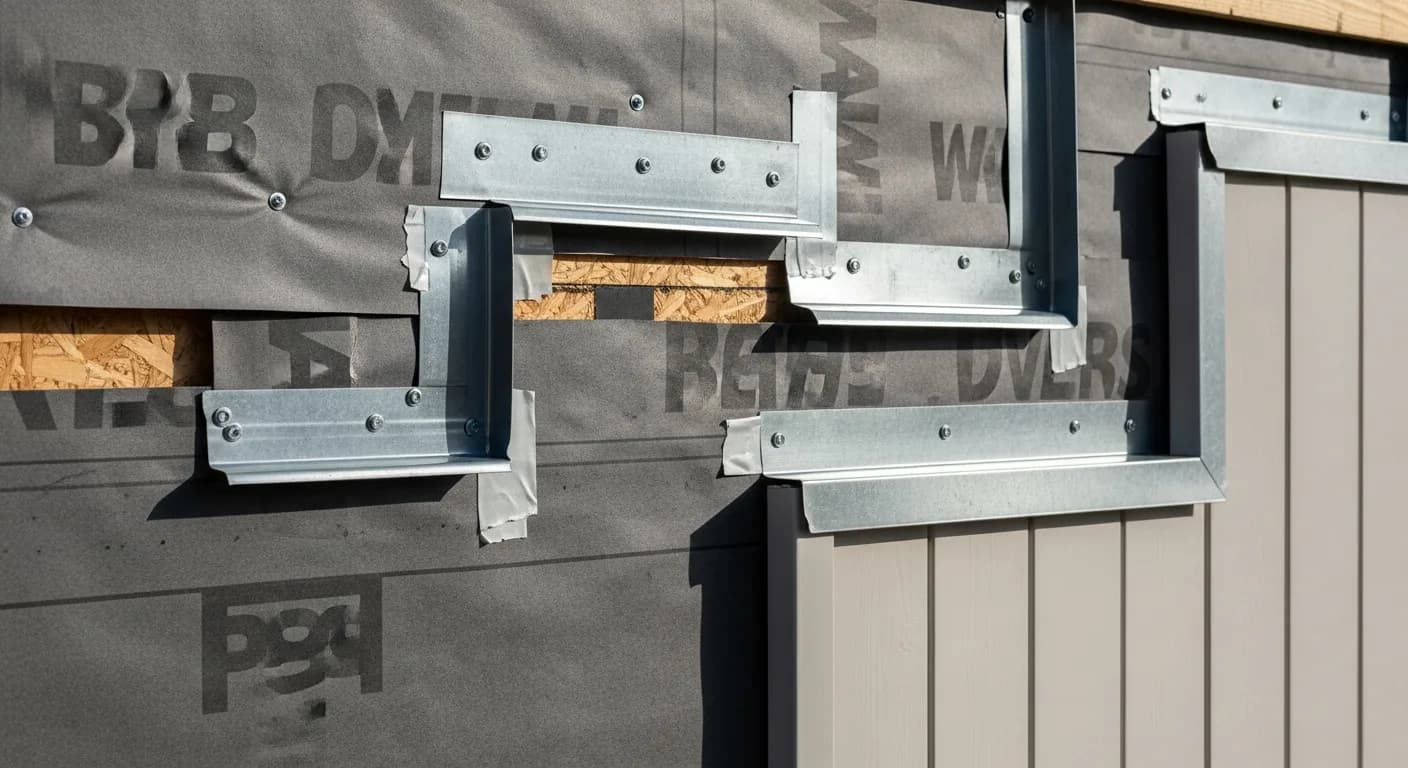
Sticker shock often comes from thinking of siding as just the visible boards. What you're actually buying is a wall system: the weather-resistive barrier, flashing at every opening, drainage and ground clearance, ventilation, and trim — plus the cladding. The parts you don't see are much of the labor and a real share of the materials, and they're what separates a wall that lasts thirty years from one that fails in ten. See siding types for California homes for what that system involves.
California code adds real, non-optional scope
California's building code drives cost in ways many states don't. On fire-zone parcels, the WUI code requires Class A non-combustible cladding and hardened eaves and vents; Title 24 energy requirements can come into play; and permitting and inspection are part of legitimate work. These aren't padding — they're code-mandated scope that a compliant contractor must include and a non-compliant one quietly skips. On a designated parcel, this is a significant and unavoidable part of the number.
The details cost more than the flat wall
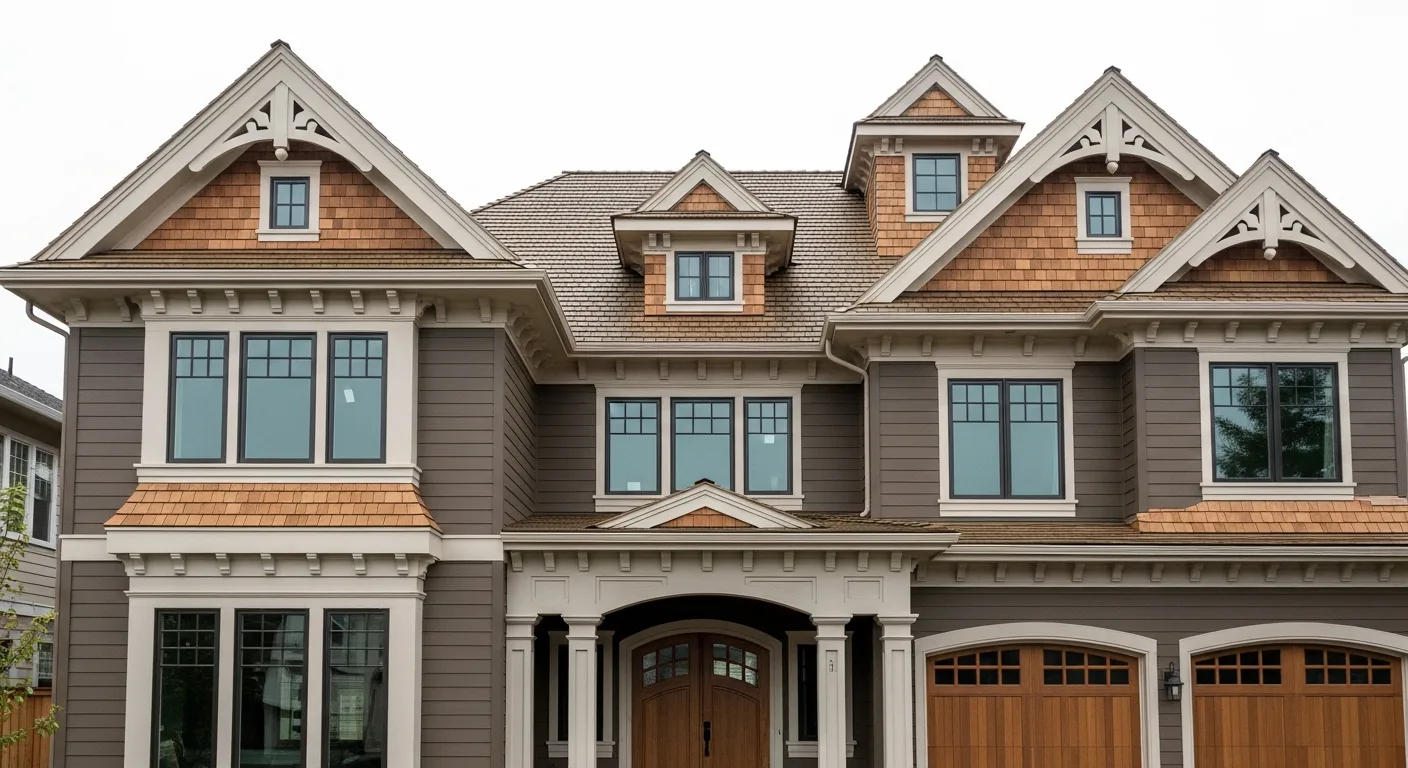
The open field of a wall is the cheapest, fastest part of the job. The cost concentrates in the details: corners, window and door surrounds, fascia, soffits, transitions, and any architectural features. A home with lots of articulation, multiple stories, steep or complex elevations, or difficult access costs more than its square footage alone suggests, because the labor lives in the detailing — see the hidden costs of a siding project.
Why the cheapest bid is usually the most expensive
Given all of the above, a bid far below the others isn't a bargain — it's a signal. It typically means one or more of: a less-skilled crew, thin or skipped detailing behind the cladding, omitted predictable costs (permits, disposal, trim), an undersized substrate-repair allowance, or skipped code scope. Those gaps surface later as change orders, early failure, or a wall that doesn't perform. The honest mid-range bid that itemizes the real scope is almost always the cheaper exterior over time.
Where it's worth spending — and where it isn't
The money worth spending is on install quality, correct system detailing, and a durable factory-finished material like fiber cement that resists California sun and ends the repaint cycle — those decide lifetime cost. Where you can sometimes economize is scope: a targeted repair versus a full re-side where the wall allows, or a conservative color and trim program. The goal is to spend on what determines longevity and economize on what's purely preference.
Putting the number in perspective
A quality California re-side is a major investment, but it's also among the better-returning exterior improvements and a one-time structural decision rather than a recurring cost — see is new siding worth it before selling for the resale side. Judged over the decades you'll own the home and against the cost of repeated repairs on a failing wall, the number is more reasonable than it first looks. When you want an itemized, honest breakdown for your specific home, request a free estimate.
Tear-off and what's hiding behind the old siding
Before a single new board goes up, the existing cladding has to come off, and that demolition phase carries cost that rarely shows up in a homeowner's mental math. Stripping old siding, hauling it to a transfer station, and paying disposal fees on a full house adds up quickly, and older California homes built before the 1980s sometimes contain materials that require careful handling and certified disposal rather than a simple dumpster toss. The bigger variable is what tear-off reveals. Once the wall is open, crews routinely find rotted sheathing, failed flashing around windows, pest damage in the framing, or moisture intrusion that has quietly compromised the structure. None of that is visible during the estimate, so a careful contractor either builds a small contingency into the bid or flags repairs as a separate allowance. Pretending the substrate is always sound is how the cheap bids stay cheap until the change orders arrive. If your walls show soft spots, bubbling, or staining now, addressing those issues is part of the job and a reason to read about siding repair before assuming a full replacement is purely cosmetic. The honest framing: you are not just paying to install new boards, you are paying to make the entire wall assembly sound again, and that hidden scope is one of the most common reasons a real-world final number lands above the first verbal estimate.
Wildfire zones and the WUI surcharge most homeowners don't expect
A large share of California sits inside or near a Wildland-Urban Interface, and homes in those mapped zones face stricter exterior requirements that materially change what siding costs. In designated high fire-hazard severity zones, the building code pushes toward ignition-resistant exterior wall coverings, noncombustible or specially rated materials, and detailing at eaves, vents, and wall-to-roof junctions that ordinary installations skip. That is not optional upgrade talk; it is enforced at permit and inspection. The agency that maps these zones, CAL FIRE, periodically revises the severity boundaries, which means a property that was outside the strictest tier a few years ago can land inside it on a newer map. The practical effect on a quote is twofold. First, material selection narrows toward products that carry the right fire ratings, and those tend to cost more per square than the cheapest vinyl or wood options. Second, the labor to detail a fire-hardened exterior correctly, sealing gaps that embers exploit, takes more time and skill. Many homeowners choose noncombustible-leaning systems like fiber cement siding partly for this reason, since it satisfies fire-zone expectations while holding up to the climate. If you live in the foothills, near open space, or anywhere that has seen a recent fire-zone remap, expect this to be a real and defensible line in your estimate rather than a sign of an inflated bid.
Permits, inspections, and the cost of doing it by the book
Re-siding a California home is rarely a no-paperwork job, and the cost of doing it legally is something a fair bid accounts for. Most jurisdictions require a permit when siding is removed down to the sheathing or when structural repairs, weather-resistive barriers, or window flashing are touched, and permit fees vary widely between cities and counties. Beyond the fee itself, the permit triggers inspections, and inspections cost the contractor time: scheduling around an inspector's calendar, leaving work open and accessible for review, and occasionally redoing details that don't pass on the first pass. A contractor pricing the job honestly also has to carry licensing, liability insurance, and workers' compensation, all of which are legal obligations in California and all of which a cash-only handyman quietly skips to undercut a real bid. You can verify a contractor's standing through the Contractors State License Board before signing anything, which is worth doing precisely because the lowest quote often belongs to whoever carries the least overhead and the least accountability. The gap between a licensed, permitted, inspected installation and an off-the-books one is not waste; it is the difference between a wall you can warranty and insure and one you cannot. When you compare bids, make sure you are comparing the same scope, and when you are ready, an honest starting point is a real walkthrough rather than a phone number off a flyer, which is where our free estimate begins.
Why timing and project size move the per-square price
Two identical houses can receive different per-square pricing for reasons that have nothing to do with the siding itself, and understanding them helps you read a quote fairly. Season matters: California's dry months are peak exterior season, and demand for skilled crews is highest from late spring through early fall. Booking in the slower, wetter part of the year can sometimes earn more flexible scheduling, though crews still need dry windows to install and seal correctly. Project size matters too, but not always the way people assume. Very small jobs carry fixed costs, mobilization, setup, permit handling, and disposal minimums, that get spread over fewer square feet, so the per-square number looks high. Large jobs gain efficiency but introduce staging, multi-story access, and scaffolding or lift rental that single-story ranch homes avoid entirely. Reach, access, and how much of the wall a crew can stage from the ground all feed into labor hours. Industry trackers like the annual Remodeling Cost vs. Value report show siding replacement consistently among the better-recouping exterior projects, which reframes the spend as an investment in resale and protection rather than a sunk expense.
Key takeaways
- Labor is the biggest line — skilled exterior trades are scarce and priced accordingly
- Material costs (fiber cement, flashing, trim) have risen sharply and keep climbing
- You're buying a whole wall system, not just boards — the unseen parts are much of the cost
- California code (the WUI code, Title 24, permits) adds real, non-optional scope on many parcels
- Cost concentrates in the details — trim, corners, stories, access — not the flat field
- The cheapest bid is usually the most expensive over time; the honest mid-range bid wins
FAQ
Quick Answers
Three main drivers: skilled exterior labor is scarce and has gotten more expensive, material costs (fiber cement, flashing, trim) have risen sharply, and California code (WUI-code fire requirements, Title 24, permits) adds real scope. A re-side is also a whole wall system, not just the visible boards.
Mostly labor (the largest line), then materials, then the system behind the cladding — weather barrier, flashing, ventilation, trim — plus permits and any code-driven upgrades. The unseen detailing is much of the cost and what determines how long the wall lasts.
A bid far below the others usually signals a less-skilled crew, skipped detailing behind the cladding, omitted costs (permits, disposal, trim), or skipped code scope. Those gaps surface later as change orders or early failure, making it the more expensive choice over time.
Unlikely. Material and labor costs have risen year over year and continue to, so waiting typically costs more than it saves. If the home needs the work, doing it now usually beats waiting for a 'cheaper' year.
Yes, meaningfully on many parcels. The WUI code requires non-combustible cladding and hardened eaves/vents in fire zones, Title 24 energy rules can apply, and permitting is part of legitimate work. These are code-mandated, not optional padding.
Over the decades you own the home, generally yes — it's among the better-returning exterior improvements and a one-time structural decision rather than a recurring repaint-and-repair cycle. The honest mid-range bid is usually the cheaper exterior over time.
Sources
Authoritative references
- Zonda — 2025 Cost vs. Value Report (exterior remodel ROI)
- 2025 California Wildland-Urban Interface Code (Title 24, Part 7) — exterior walls & wall coverings, §504.5
- James Hardie — official product & installation resources
External links to government, code, and manufacturer sources. Sierra Siding is not affiliated with these organizations; references are provided for verification.