
9 min read · Guide
Exterior projects consistently top the national remodeling ROI charts, and siding replacement is usually near the front of the pack. That makes it tempting to assume new siding before a sale is an automatic win. The reality is more nuanced: a high cost-recouped percentage is not the same as more money in your pocket on closing day, and the right move depends on the condition of your current exterior, your local market, and how much time you have. This guide gives you the honest version — what the data actually says, when a re-side pays and when a refresh does the job for a fraction of the cost. For the underlying numbers, the Remodeling Cost vs. Value Report is the standard reference, and our exterior remodel cost guide localizes the ranges.
What 'ROI' on siding actually measures
The headline figures you see — often a high percentage for fiber cement and siding replacement — measure cost recouped: the share of the project's cost reflected in resale value. A figure near or above 100% is excellent for a remodeling project, but even the best exterior numbers usually recoup most, not all, of the spend at resale. Read 'high ROI' as 'you get most of your money back plus a faster, cleaner sale' — not as 'this project pays you to do it.'
Curb appeal versus recouped cost — two different wins
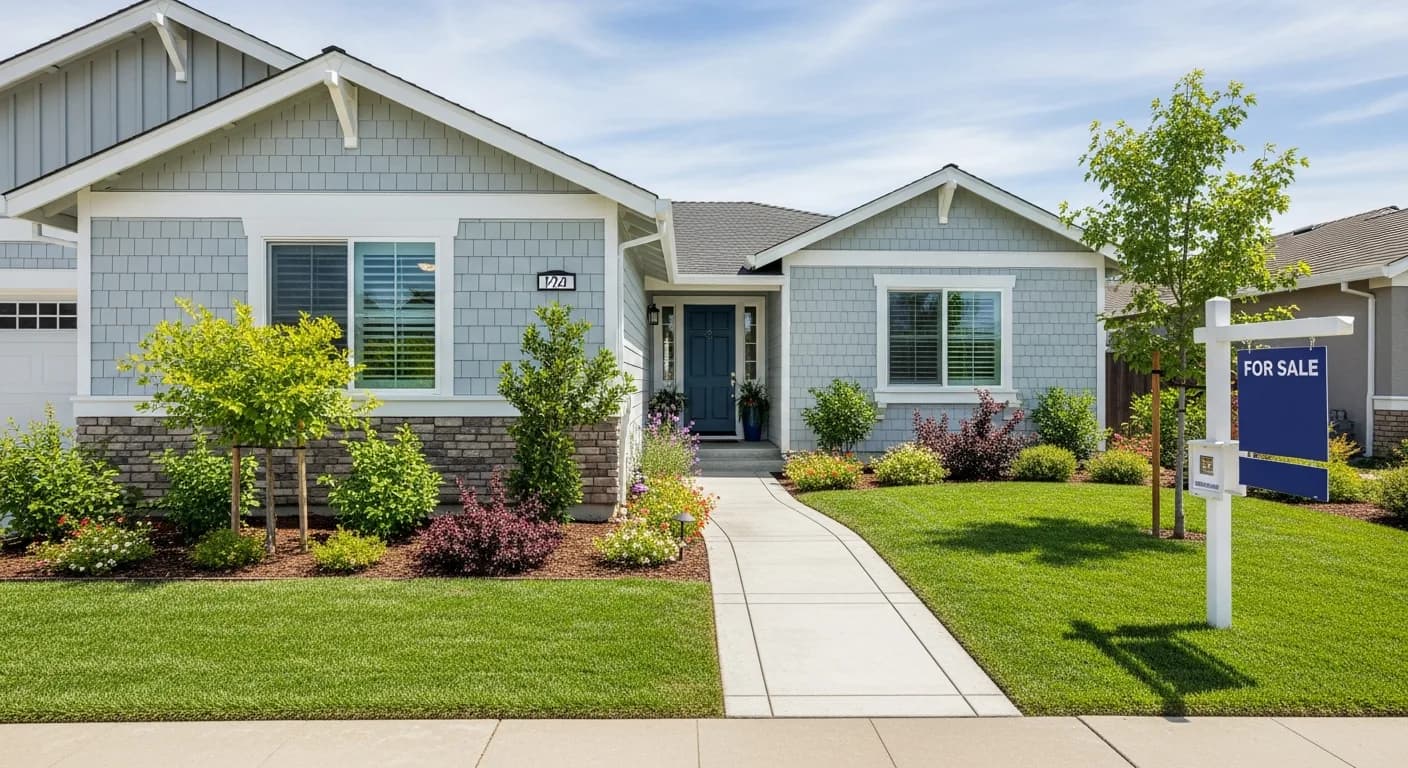
Siding delivers value in two ways, and they're easy to conflate. The recouped-cost number is the direct dollars-back portion. The harder-to-quantify win is curb appeal: a home with a fresh, sound exterior shows better, photographs better, and tends to sell faster and attract cleaner offers. For many sellers, the speed-and-confidence benefit is worth as much as the recouped dollars, because a home that looks deferred invites lowball offers and inspection haggling.
When a full re-side is worth it before selling
Replacement makes sense pre-sale when the current siding is genuinely failing — widespread rot, large damaged sections, or a material at end of life — or when it's so dated or mismatched that buyers in your area will discount the home for it. In those cases the exterior is actively costing you offers, and new fiber cement siding both removes the objection and resets the home's perceived condition. If the siding is failing, you're often choosing between disclosing/repairing it and replacing it — replacement frequently shows better.
When a refresh beats a re-side
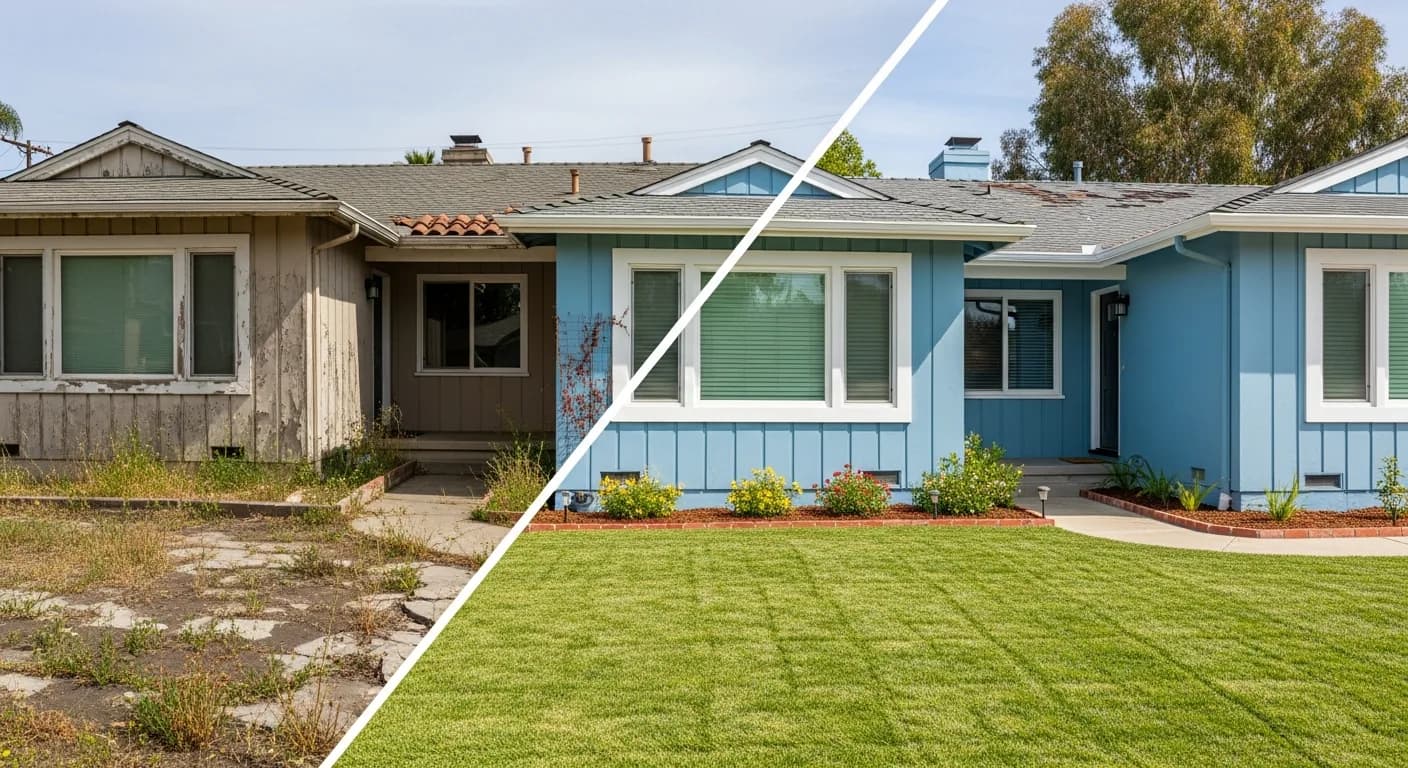
Often the smarter pre-sale money is a refresh, not a replacement. If the siding is structurally sound but tired, a thorough cleaning, targeted repairs, fresh paint, and crisp trim can transform curb appeal for a fraction of a full re-side — and recoup a higher share of a much smaller spend. Spending tens of thousands to replace sound siding right before selling rarely returns the full outlay; fixing what reads as 'deferred' usually does. Match the spend to the actual condition.
What buyers and inspectors actually flag
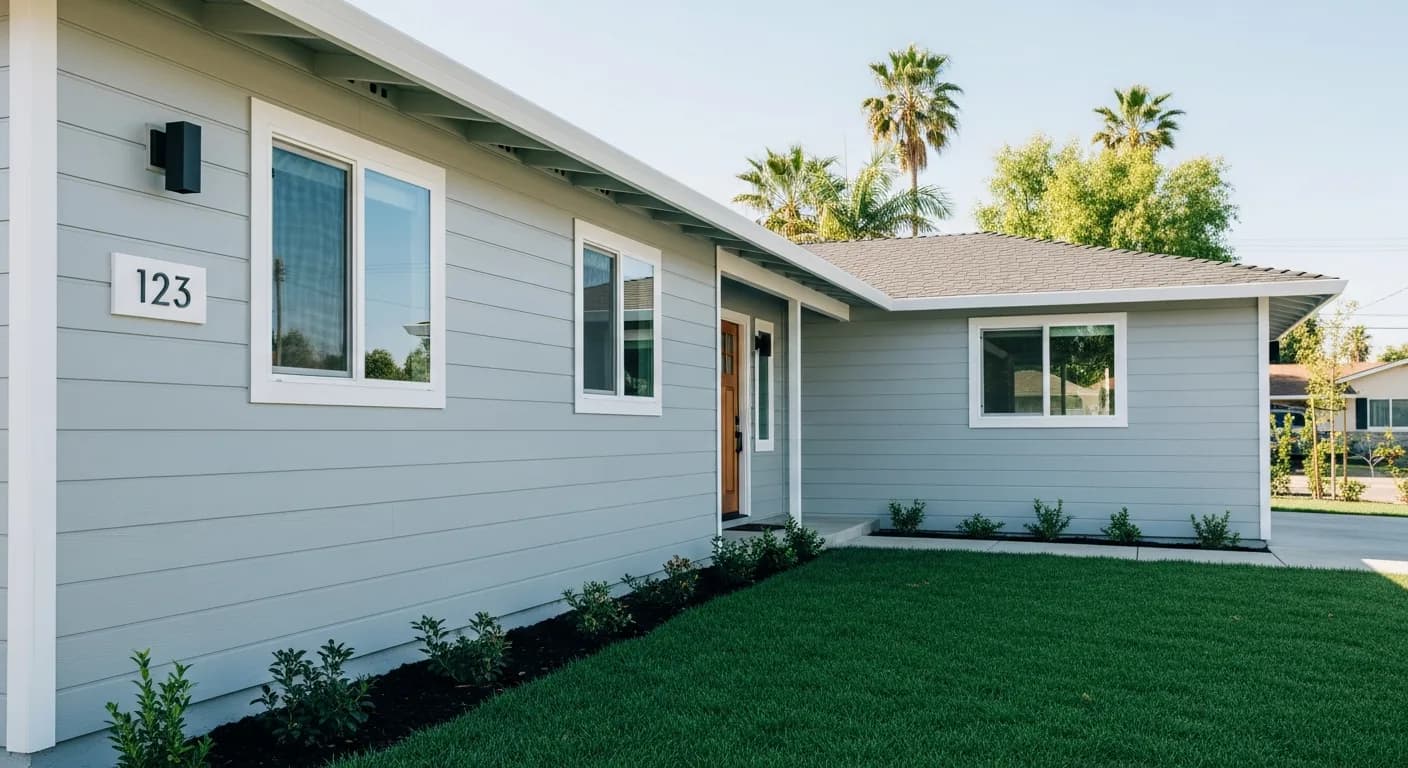
Buyers react to what they can see from the curb and what the inspector writes up. Visible rot, missing or damaged boards, peeling paint, and obvious moisture staining become negotiating points and inspection findings. You don't necessarily need a perfect new exterior — you need one without red flags. Walking the home with the symptoms in siding warning signs in mind helps you spend on the items that would otherwise cost you at the table.
Timing: how much runway do you have?
A full re-side is a multi-week project plus permitting; a refresh is faster. If your sale is months out, you have room to do the right-sized project deliberately. If you're weeks from listing, a targeted repair-and-refresh is usually the realistic, high-return move. Either way, factor the timeline into the decision rather than starting a large project on a tight clock.
The honest bottom line
New siding is one of the better-returning improvements you can make, but 'before selling' is a conditional yes. Replace when the exterior is failing or actively dragging the home's value; refresh when it's sound but tired. The test isn't 'will siding add value' in the abstract — it's 'what does my specific exterior need to stop costing me offers,' weighed against what siding costs in California for your home's size.
Spending where it pays
Before listing, the smartest exterior dollar goes to whatever is actively costing you offers — visible rot, damage, or a tired finish — rather than to replacing siding that's already sound. If you're unsure which camp your home is in, walk it with siding warning signs in mind, then weigh a refresh against full fiber cement siding using realistic exterior remodel costs. For a pre-sale plan tuned to your timeline and budget, request a free assessment and we'll tell you honestly what the market in your area rewards.
The pre-listing inspection trap nobody warns you about
Many California sellers order a pre-listing inspection to get ahead of surprises, then discover the report calls out the very siding they were hoping to leave alone. Once a defect is documented in writing, you generally must disclose it on the Transfer Disclosure Statement, which means a buyer's agent will see it and price it in regardless of whether you repair it. This changes the math in a subtle way: a problem you knew about informally becomes a negotiation lever the moment it lands on paper. If a pre-listing inspector flags moisture intrusion, failed caulk lines at penetrations, or dry rot at the bottom course, you are usually better off addressing it before listing than carrying it into escrow as a credit request. Buyers tend to over-estimate repair costs by a wide margin, so a thousand-dollar fix can balloon into a five-thousand-dollar concession at the negotiating table. A targeted scope, documented with before-and-after photos and a paid invoice, often neutralizes the issue more cheaply than a blanket re-side. If you are weighing how deep the damage runs, our siding repair page walks through what is patchable versus what signals a larger problem, and verifying any contractor through the Contractors State License Board protects you from work that a later inspector might reject.
How wildfire zones quietly reshape the ROI calculation
In much of California, the return on new siding is no longer just a curb-appeal story — it increasingly intersects with insurability. Homes in or near a designated fire hazard severity zone face tighter underwriting, and a buyer who cannot secure affordable coverage may walk away or demand a price cut. Combustible siding materials can become a line item that an insurer or a cautious buyer scrutinizes during their due-diligence window. You can look up your parcel's designation through CAL FIRE, and if your home sits in an elevated zone, swapping wood or vinyl for a noncombustible product can do double duty: it improves the listing's defensibility and it removes a financing-stage obstacle that pure cosmetic upgrades never touch. This is where material choice stops being about looks. Fiber cement carries a strong fire-resistance profile and reads well to both appraisers and insurers, which is why our fiber cement siding overview is worth reviewing before you commit to a like-for-like replacement of an aging combustible wall. The nuance for sellers is timing and disclosure: if you re-side specifically to clear an insurance hurdle, keep the product documentation, because a buyer's lender may ask for it. In a soft market, an easily insurable home simply transacts faster, and speed itself is a form of return that the cost-recouped percentage never captures.
Partial re-side: the underrated middle path
Sellers often frame the decision as all-or-nothing — leave the siding alone or replace every wall — when the highest-return move is frequently neither. A partial re-side targets only the elevations that actually drive a buyer's first impression or that carry the visible damage. The front facade and any wall facing the street do the heavy lifting for showing photos and drive-by appeal, while a weathered side or rear elevation that no buyer photographs may only need cleaning and spot repair. Concentrating new material where eyes land lets you capture most of the perceived-value lift at a fraction of a full-home cost. The catch is matching: blending new siding into existing runs requires careful attention to profile, exposure, and color, and a mismatched seam can read worse than uniform age. This is a judgment call best made on site, and our free estimate process is built to scope exactly which elevations earn their keep. There is also a sequencing nuance for occupied homes preparing to list — a partial scope is far less disruptive, often finishing in days rather than weeks, which matters when you are juggling staging, photography, and a listing date. For mid-priced California homes where buyers are cost-sensitive, a smartly bounded partial re-side tends to beat a full replacement on actual dollars returned, because you spend only where the spend converts into a faster, stronger offer.

Reading your specific California submarket before you commit
National cost-versus-value averages flatten enormous regional variation, and California is not one market but dozens. A coastal premium neighborhood where buyers expect move-in-ready exteriors rewards a full re-side far more than an inland starter-home tract where buyers budget for their own upgrades and resent paying for finishes they did not choose. Before spending, study three things in your immediate area: what comparable recent sales actually had on their walls, how long homes with tired exteriors sat versus refreshed ones, and whether your price band attracts cash buyers or financed buyers who lean on appraisals. Appraisers credit condition and material more readily in higher-end submarkets, so the same project can recoup very differently across a single county. The honest move is to ask your listing agent for days-on-market data segmented by exterior condition rather than relying on a single statewide figure. If your data shows refreshed homes selling meaningfully faster, the return may live in reduced carrying costs and avoided price drops rather than a higher headline sale price. For grounding your numbers in local labor and material reality, our siding cost in California breakdown helps you translate a generic ROI percentage into a defensible budget that matches what your particular buyers will actually pay for and notice.
Key takeaways
- Siding ROI measures cost recouped — usually most of the spend, rarely a profit
- Curb appeal and faster, cleaner offers are a real second win beyond recouped dollars
- Full replacement pays before a sale when the siding is failing or actively dating the home
- On sound-but-tired siding, a refresh recoups more of a much smaller spend than a re-side
- Spend to remove what buyers and inspectors flag — visible rot, damage, peeling paint
- Match the project to your timeline; don't start a re-side weeks before listing
FAQ
Quick Answers
Yes — siding replacement is consistently among the higher cost-recouped remodeling projects, and it improves curb appeal that helps a home sell faster. But it typically recoups most of the cost, not more than the cost, so treat it as value-protecting rather than profit-generating.
It depends on condition. If the siding is failing or clearly dating the home, replacement usually pays by removing objections. If it's sound but tired, a cheaper refresh — clean, repair, repaint — often returns more relative to the spend.
Fiber cement and siding replacement regularly post some of the strongest cost-recouped figures in the Remodeling Cost vs. Value Report, often recouping the large majority of project cost, with regional variation. Check the current Pacific-region numbers for your area.
If the boards are sound, repainting plus targeted repairs is frequently the higher-return pre-sale move. Reserve full replacement for siding that's failing, widely damaged, or so dated it's costing you offers.
Yes — exterior condition is one of the first things buyers and inspectors assess. Visible rot, damage, and peeling paint become negotiating points, so addressing obvious problems before listing generally protects your price.
Give a full re-side a comfortable runway — it's a multi-week project plus permitting. If you're only weeks from listing, a faster repair-and-refresh is usually the practical, high-return choice.
Sources
Authoritative references
External links to government, code, and manufacturer sources. Sierra Siding is not affiliated with these organizations; references are provided for verification.