
9 min read · Buyer's Guide
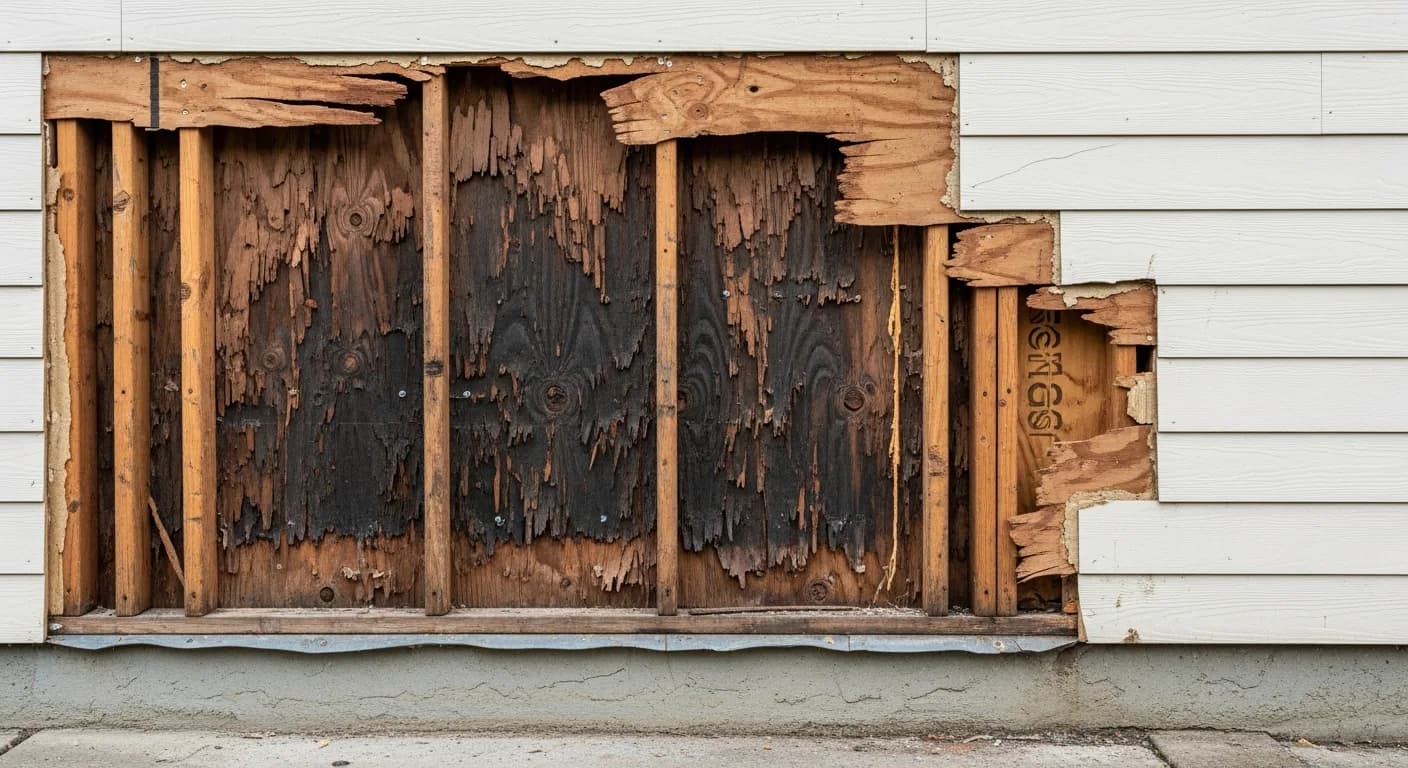
A siding bid can look complete and still leave real money off the page. Some costs genuinely can't be known until the old cladding comes off; others are predictable but quietly omitted by contractors competing on a low headline number. Either way, the surprises tend to land mid-project when you have the least leverage. This guide walks through 9 costs that commonly surface on a California re-side, which are legitimate and which are red flags, and exactly how to get them itemized before you sign. The goal isn't to scare you off the project — it's to make the real number visible up front. For the baseline ranges, see what siding costs in California.
2. Permits and inspection fees
A substantial re-side typically requires a building permit, and the fee varies by jurisdiction. Some bids fold it in; others leave it for you to discover. Confirm whether the permit is included and who pulls it — a legitimate contractor handles permitting as part of the job, which is also a sign they expect their work to pass inspection.
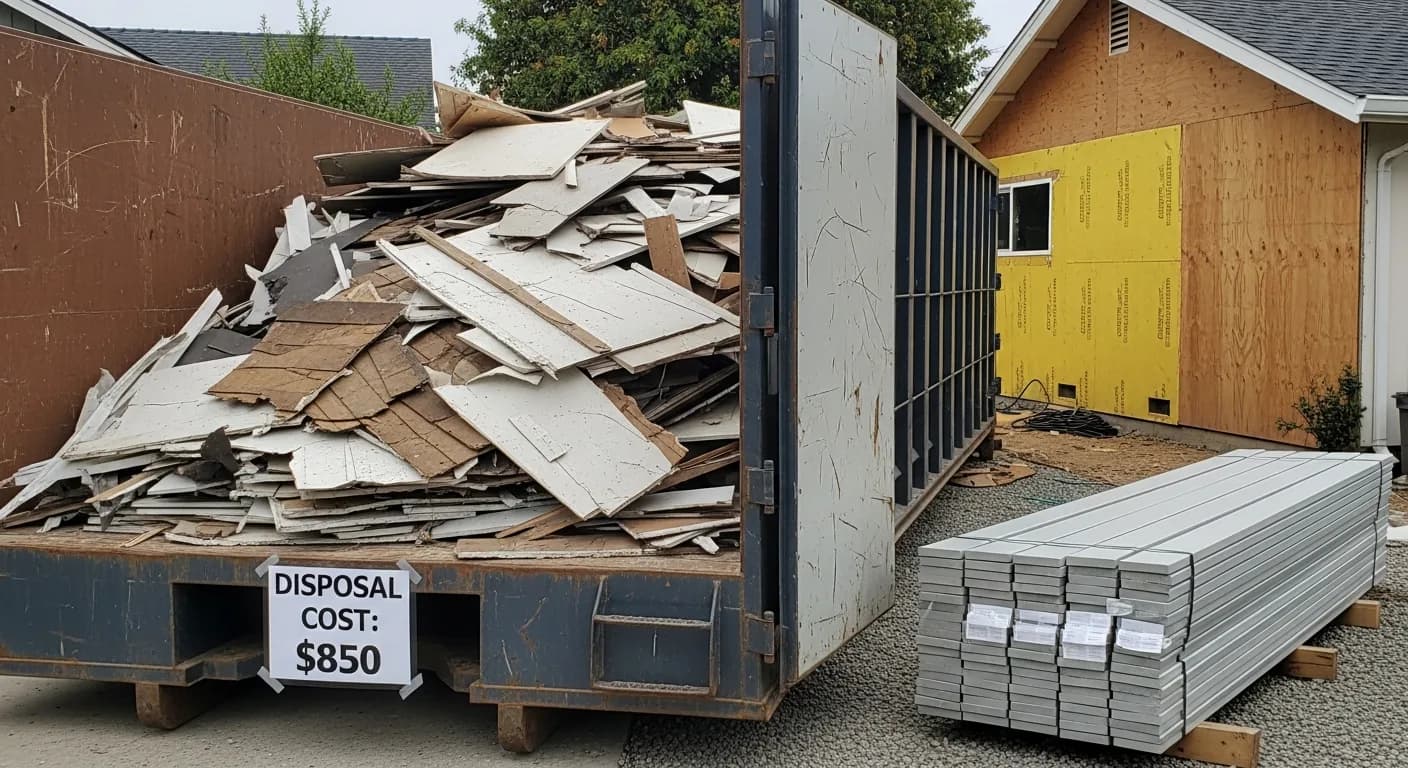
3. Old-material disposal and dumpster
Tear-off generates a lot of debris, and hauling and disposing of it costs money — more if the old siding requires special handling. Confirm disposal and the dumpster are in the scope. It's a routine cost, but a routine cost that's easy to leave off a headline bid.
4. Code-triggered upgrades (the WUI code, flashing, clearances)
Opening up a wall can trigger current-code requirements that the original construction predated — most notably, on fire-zone parcels a re-side can require Class A non-combustible cladding and hardened eaves and vents under the WUI code. Bringing windows, flashing, and ground clearances up to current standard can add scope too. On a designated parcel this is the difference-maker; confirm whether code upgrades are anticipated and how they're priced.

5. Trim, fascia, and the details around the field
The flat wall is the cheap part; the cost lives in the details — corners, window and door trim, fascia, soffits, and transitions. A bid that prices the field generously but is vague on trim can balloon once the real detailing is scoped. Make sure trim and fascia are itemized, not assumed. See soffit design options.
6. Paint and finish (or the savings of not needing it)
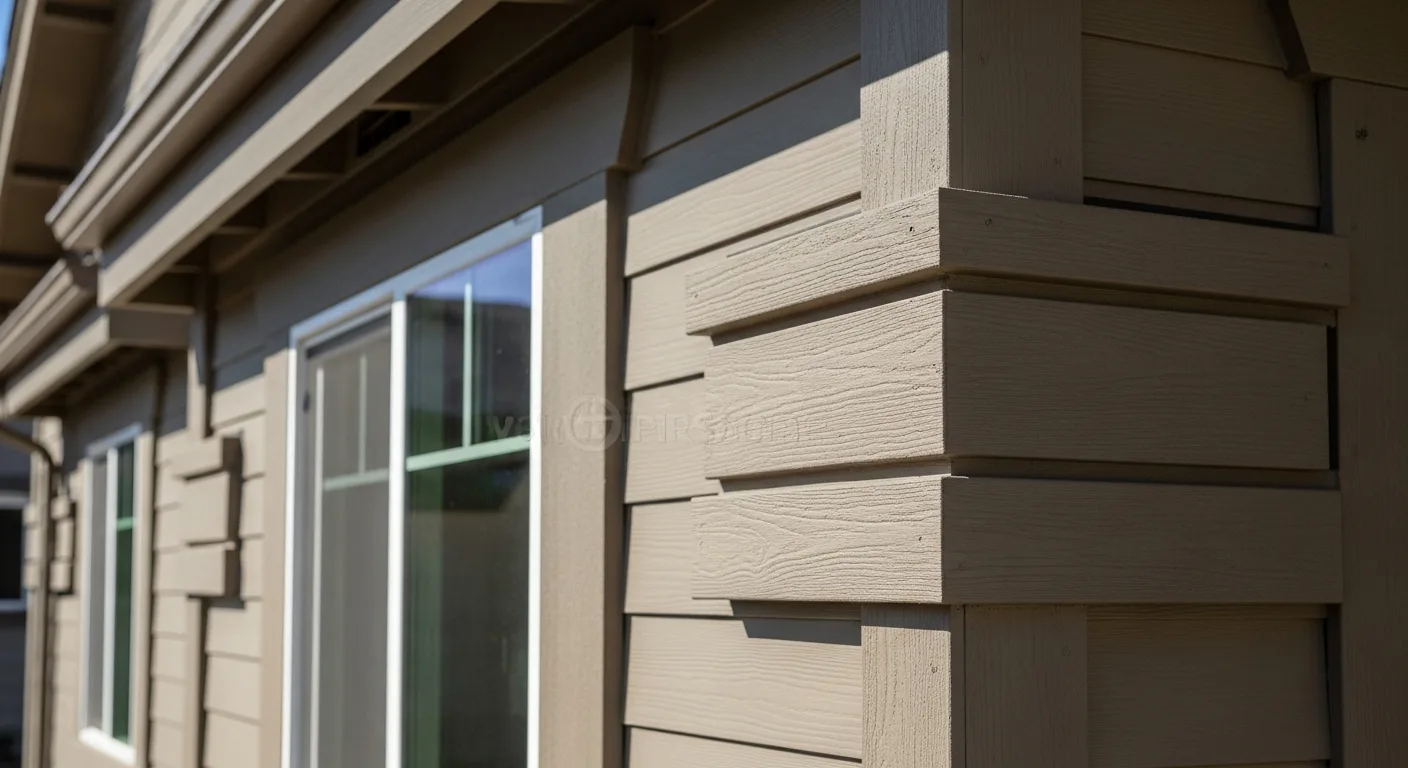
If you choose field-painted siding, the paint and labor are a real line item — and a recurring future cost as it fades. This is a place a factory-finished product like fiber cement with ColorPlus quietly saves money: the finish is baked on, so there's no separate paint cost now and a much longer interval before any refresh. Make sure you're comparing bids on the same finish basis.
7. Lead and asbestos handling on older homes
On homes built before the late 1970s, old paint and some old siding products can contain lead or asbestos, which require certified handling and disposal. It's not always present, but when it is, it's a real and non-negotiable cost. On an older home, ask whether testing and safe handling are anticipated — see asbestos siding replacement.
8. The deposit and payment structure
Not a hidden cost so much as a hidden risk: an oversized upfront deposit. California law (enforced by the Contractors State License Board) caps a home-improvement down payment at $1,000 or 10%, whichever is less, and a healthy schedule ties payments to milestones. A contractor asking for half down isn't pricing differently — they're structuring the deal in a way that should make you cautious. See contractor deposit and payment rules.
9. Change orders and 'allowances' that aren't real numbers
Watch for vague 'allowances' — placeholder figures for items not yet specified — that get trued-up (upward) later. The fix is specificity: a bid that names the actual products and quantities leaves little room for a surprise change order. Ask how changes are handled and insist on written, priced change orders you approve before extra work proceeds.
How to get the real number before you sign
Every item above becomes predictable with one habit: insist on an itemized, specific bid and ask directly about substrate repair, permits, disposal, code upgrades, trim, finish, and payment structure. A reputable contractor welcomes those questions and answers them in writing — see the 12 questions to ask before hiring. When you want a transparent, itemized scope for your home, request a free, no-obligation estimate.
10. Scaffolding, lifts, and hard-to-reach elevations
A flat single-story ranch and a two-story home on a hillside lot are not the same job, even at identical square footage. Once a wall climbs past the reach of a standard ladder, crews need pump jacks, scaffolding, or a rented boom lift to work safely and hold a straight course line. That equipment carries delivery, daily rental, and setup labor that rarely appears on a quick walk-up estimate. California's terrain makes this sharper than in flatter states: foothill and Sierra lots often pitch steeply away from the house, so one elevation may sit two feet off grade while the opposite wall hangs over a downslope two stories up. Gable peaks, dormers, and second-story bump-outs over entryways all add access cost without adding much wall area. Ask the estimator to note which elevations need staging and whether the price assumes a lift. If your lot is tight or fenced, mention it early, because a lift that cannot get into the side yard forces hand-scaffolding and more hours. For a sense of how access folds into the overall figure, the California siding cost guide breaks down the labor share, and a site visit during your free estimate settles it precisely.
11. Weather delays and the cost of an exposed wall
Tear-off creates a window where your wall sheathing and any newly exposed framing sit open to the elements, and in much of California that window collides with the rainy season. A re-side scheduled for late fall or winter in the Sacramento Valley, the Bay Area, or the Sierra foothills can stall when a storm rolls in, and a responsible crew will not button up wet sheathing under new cladding because trapped moisture invites the very rot you are trying to fix. Those weather holds carry quiet costs: temporary house-wrap and tarping to protect the opening, a second mobilization if the crew has to demobilize and return, and sometimes a longer rental clock on access equipment. Summer brings the opposite pressure in fire country, where red-flag conditions and poor air quality can pause outdoor work. The fix is to talk timing honestly before you sign and to confirm the contract spells out who covers protection during a delay. Building seasonally realistic schedules also limits exposure, and choosing a low-maintenance product like fiber cement siding means fewer return trips for finish work once the wall is closed. The National Weather Service forecast for your microclimate is worth a glance before locking a start date.
12. Insulation and weather-barrier upgrades behind the cladding
With the old siding off, the wall cavity and its weather barrier are briefly accessible in a way they will not be again for decades, and that visibility surfaces decisions that were invisible during the bid. Many older California homes still wear a brittle, torn, or improperly lapped building paper, and a code-compliant water-resistive barrier is now expected behind new cladding. Replacing it is modest in material but real in labor. Some owners go further and add continuous exterior rigid insulation or a rainscreen gap to improve drainage and energy performance, which is genuinely the cheapest moment to do it but does push the number up and can change trim depths around windows and doors. Title 24 energy requirements may also come into play depending on the scope and how the work is permitted in your jurisdiction. None of this is a scam; it is a fork in the road that a good estimator raises rather than buries. Decide before tear-off whether you want a like-for-like barrier swap or a performance upgrade, and get each itemized as a separate line so you can weigh it. Pair this conversation with any siding repair findings so rot fixes and barrier work are coordinated, not billed twice.
13. Vetting the contractor: license, insurance, and the lien angle
The cheapest hidden cost is the one you avoid by checking credentials before money changes hands. In California, anyone performing siding work over a small dollar threshold must hold a license, and you can verify status, classification, and bond directly through the Contractors State License Board. An unlicensed crew that underbids is not a bargain; you lose the bond protection and recourse that licensing provides, and unpermitted work can surface as a problem when you sell. Insurance matters just as much. Confirm the contractor carries general liability and, if they have employees, workers' compensation, so an on-site injury or accidental damage does not become your liability. There is also a lien dimension worth understanding: in California, suppliers and workers who go unpaid can file a mechanics lien against your property even if you paid the general contractor in full. Asking for lien waivers as payments are released, and confirming material suppliers are paid, protects the equity you are about to improve. These checks cost nothing but a phone call and a few minutes online, yet they sit upstream of nearly every expensive horror story. When you request a written estimate, ask for license number, proof of insurance, and the payment-and-waiver schedule in the same packet.
Key takeaways
- Hidden rot is the most common surprise — insist on a written substrate-repair allowance
- Permits, disposal, and trim/fascia are predictable costs that low bids quietly omit
- Opening a wall can trigger code upgrades (the WUI code on fire parcels especially)
- Factory-finished fiber cement avoids a separate paint line now and stretches the refresh interval
- Pre-1970s homes may carry lead/asbestos handling costs — ask about testing
- An oversized deposit is a risk, not a price difference — CA caps it at $1,000 or 10%
FAQ
Quick Answers
The common ones: hidden rot/substrate repair found at tear-off, permits, debris disposal, code-triggered upgrades (like the WUI code on fire parcels), trim and fascia detailing, paint on field-finished products, lead/asbestos handling on older homes, and surprise change orders from vague allowances.
Usually because the bid omitted predictable costs (permits, disposal, trim) or used vague allowances that trued-up later, or because hidden rot was found at tear-off. An itemized, specific bid with a written substrate-repair allowance prevents most of this.
Insist on an itemized bid and ask directly about substrate repair, permits, disposal, code upgrades, trim, finish, and payment structure. Require written, priced change orders you approve before any extra work proceeds.
It can, depending on extent — which isn't known until the cladding is off. A good contractor prices it with a written allowance or per-foot rate so a discovery is handled transparently rather than as a mid-project surprise.
It depends on the bid. Confirm whether the permit fee is included and who pulls it — a legitimate contractor handles permitting as part of the job. Don't assume it's covered unless it's stated.
Yes. A substantial re-side can require current-code items the original construction predated — most significantly Class A non-combustible cladding and hardened eaves/vents under the WUI code on designated fire parcels. Confirm whether upgrades are anticipated for your parcel.
Sources
Authoritative references
- Zonda — 2025 Cost vs. Value Report (exterior remodel ROI)
- CSLB — Home Improvement Contracts & Down Payment Limits (CA B&P Code §7159)
- Contractors State License Board (CSLB) — verify a California contractor
External links to government, code, and manufacturer sources. Sierra Siding is not affiliated with these organizations; references are provided for verification.