8 min read · Hardie
Hardie is the lowest-maintenance major siding material on the California market — but low-maintenance is not no-maintenance. With about 4-6 hours of attention per year and a few minor expenditures per decade, a Hardie exterior performs and looks new for 40-50+ years. Skip the maintenance and you accelerate fade, allow trapped moisture entry points to develop, and lose ColorPlus warranty coverage on field-painted refresh. Here's the practical California maintenance protocol.
Annual cleaning — the foundation
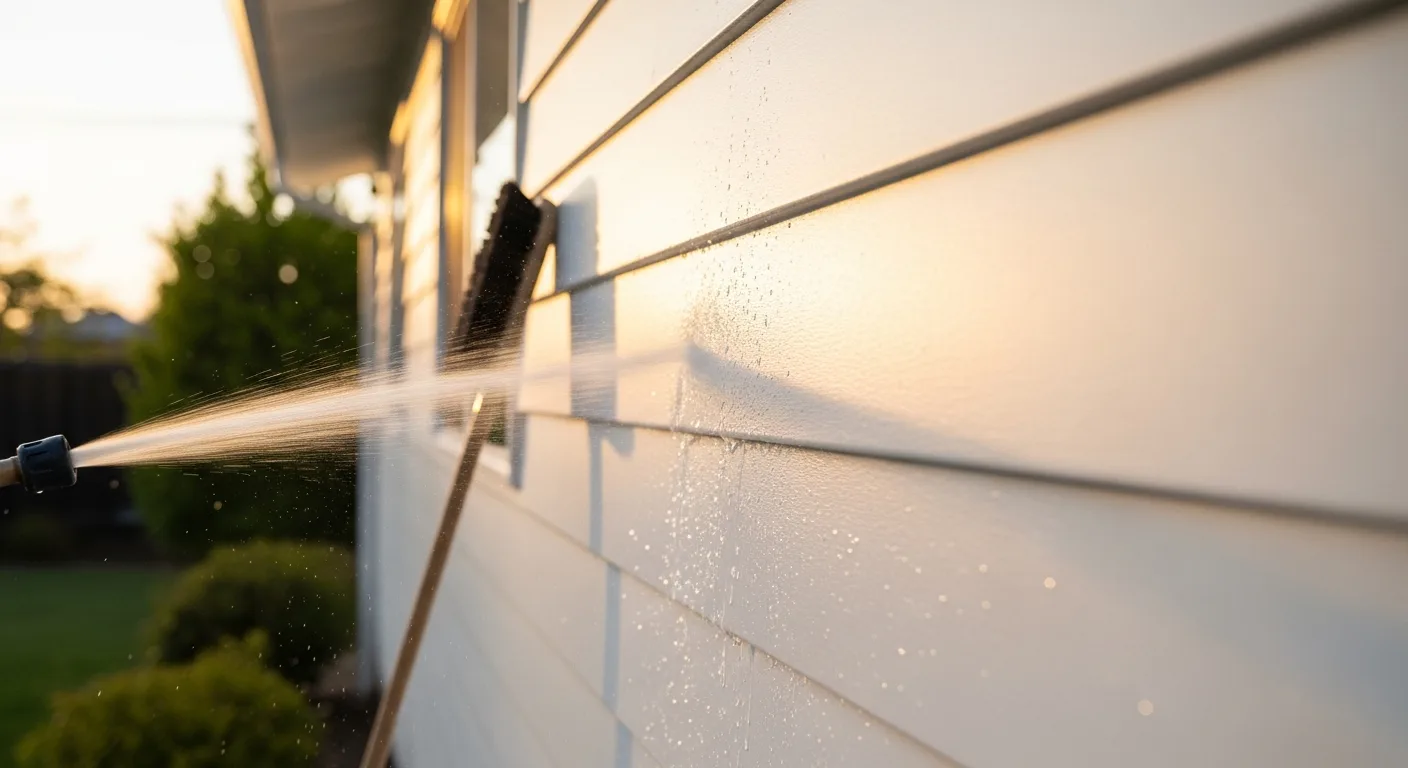
A gentle wash once per year removes dust accumulation, light mildew growth on shaded north elevations, and the cumulative grime that dulls ColorPlus finish. Use a garden hose with low-to-moderate pressure spray nozzle (not pressure washer — pressure washing can damage the finish and force water behind cladding). Add mild detergent (Simple Green diluted, dish soap, or Hardie-approved cleaner) for north-facing elevations or visible mildew. Work top-down. Allow to air-dry. Time: ~2 hours for typical 2,500 sq ft home.
Sealant and caulk inspection — yearly walk-through
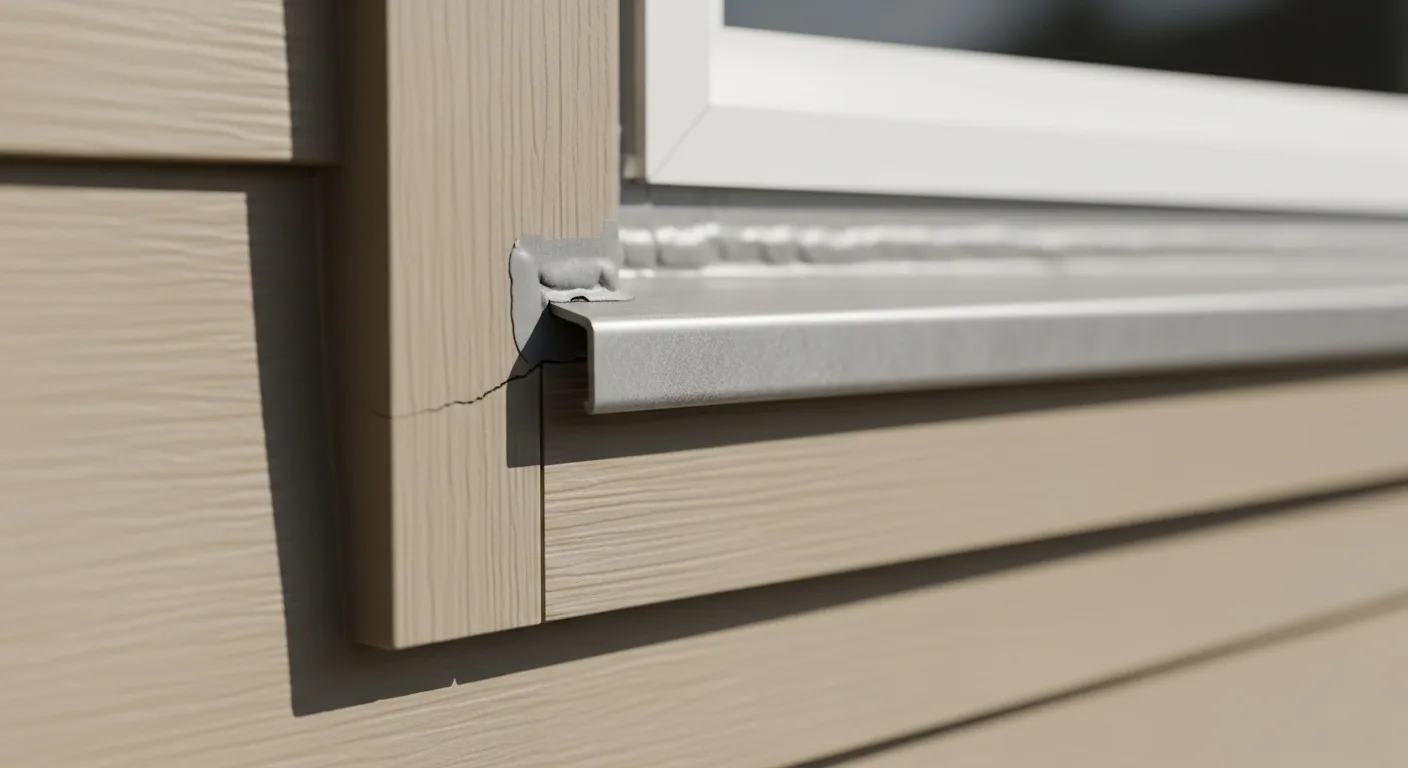
Hardie's durability depends on the wall assembly's water management, and sealant at transitions is the wear point. Each year, walk the perimeter and inspect sealant at: window head and side flashing, door head and side casings, corner trim joints, soffit-to-wall transitions, deck/porch-to-wall junctions, all pipe and electrical penetrations, and the bottom-trim-to-foundation transition. Look for: cracks, gaps wider than hairline, pull-away from substrate, color change indicating UV degradation. Address any flagged areas immediately — water entry from failed sealant is the #1 cause of Hardie installation failure.
Sealant refresh — every 7-12 years
Even premium polyurethane sealant has a finite lifespan under California UV. Plan for sealant refresh at all exterior transitions every 7-12 years depending on exposure. South and west elevations will need attention sooner than north. Cost runs $300-800 for whole-home sealant refresh (Sierra Siding's scope band; varies by home size and trim complexity). This is essential preventive maintenance — far cheaper than repairing moisture damage from failed sealant.
ColorPlus refresh — when and how
Factory ColorPlus finish is engineered for 12-15+ year color retention before refresh consideration. Refresh typically starts with south and west elevations first; north can often go 20+ years without intervention. Refresh options: (1) ColorPlus-compatible exterior paint topcoat in same color (most common; preserves warranty integration), (2) ColorPlus color refresh by James Hardie certified applicator (premium option; restores factory-finish appearance), (3) Full color change (any exterior-grade acrylic paint; voids ColorPlus warranty but provides refresh option). For most homeowners, option 1 is the practical choice.
Smoke season cleanup
California wildfire smoke season (typically August-November) deposits fine particulate on exteriors that can stain ColorPlus finishes if left for extended periods. After smoke events, plan an additional gentle wash within 60 days. Don't pressure-wash to remove smoke residue — the residue is loosely bonded and removes with mild detergent and water. For homes downwind of major fires (Auburn, El Dorado Hills, Tahoe, wine country), an extra annual wash may be advisable.
Inspecting for damage
Annual walk-through should also check for: physical impact damage (low-clearance from yard work, vehicle impact at garage), woodpecker activity (rare on Hardie but checked), water staining patterns indicating drainage issues, efflorescence (white powder deposits indicating moisture migration), substrate movement showing as cladding stress cracks. Address physical damage promptly — Hardie repairs cleanly with replacement boards when caught early.
What NOT to do
Don't pressure-wash with high-pressure nozzles or commercial pressure washers — can damage ColorPlus finish, force water behind cladding, and void warranty. Don't use harsh solvents or industrial cleaners — can react with ColorPlus pigments. Don't power-sand surface imperfections — degrades the protective finish layer. Don't attempt to refinish individual boards in place with brush paint — color match is impossible and the result reads as patched.
When to repaint vs. when to replace
Repaint typically suffices when finish has dulled or faded but the board itself is intact, sealant has been refreshed, and substrate is sound. Replace boards when there's physical damage (impact crack, chip, hole), moisture-driven swelling (rare on Hardie but possible at end-of-life on early-generation 1990s installation), or substrate failure pushing the cladding out of plane. Most California Hardie exteriors will see 1-2 paint refreshes before any board replacement becomes necessary.
Where Sierra Siding fits
We service existing Hardie installations (whether we installed them or not) — annual inspection visits, sealant refresh, color refresh, repair, and full repaint. Hardie maintenance is a relatively small recurring expense that protects a substantial cladding investment; it's worth doing properly.
Choosing the right cleaning products for ColorPlus and field-painted finishes
The detergent you reach for matters more than most homeowners assume. ColorPlus baked-on color is durable, but harsh solvents, abrasive powders, and high-concentration bleach can micro-etch the finish over repeated annual washes, leaving a chalky cast that no amount of rinsing recovers. Stick with a diluted mild dish soap or a horticultural cleaner like the Simple Green family, and always rinse from the bottom up to avoid streaking, then top down to clear residue. For the mildew that loves shaded north and east elevations in the Sierra foothills, a solution of one part household white vinegar to three parts water lifts spores without bleaching adjacent trim. If you do use a dilute oxygen-bleach product, test it on a low, hidden run of plank first and keep it off any nearby plantings. Soft-bristle brushes on an extension pole handle stubborn spots far more safely than ramping up water pressure. Field-painted Hardie behaves differently from ColorPlus: the topcoat is whatever acrylic latex the painter applied, so its tolerance depends on that product's spec sheet rather than James Hardie factory standards. When in doubt, gentler and more frequent beats aggressive and occasional. Document the products you settle on so future cleanings stay consistent. If you ever plan to repaint, knowing the existing coating chemistry saves you from compatibility surprises, a topic we expand on in our broader (/fiber-cement-siding) overview.
Building a season-by-season California maintenance calendar
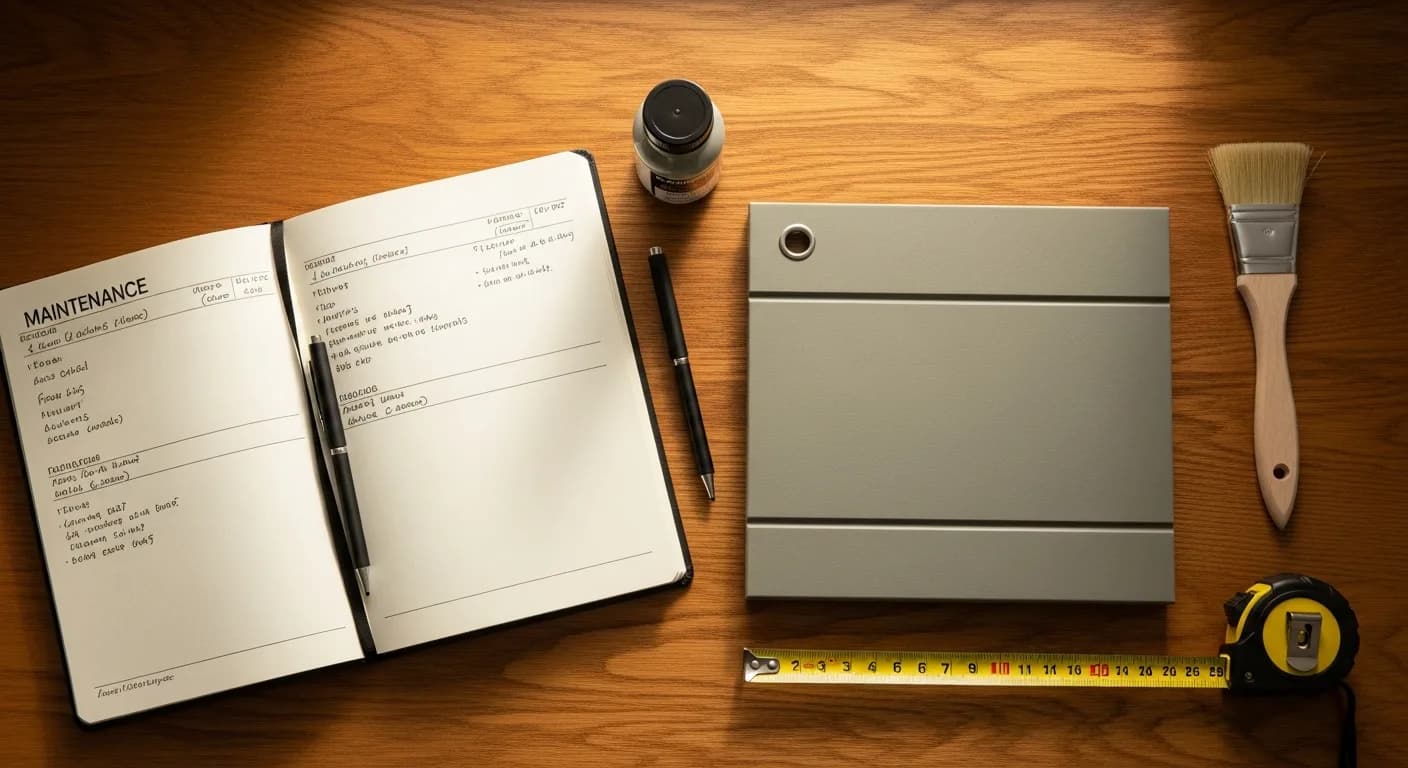
Maintenance sticks when it is scheduled rather than improvised. In California's Mediterranean climate, late spring is the natural anchor: pollen and winter grime have settled, and the dry months ahead make it the ideal window for the annual wash and a full caulk walk-through. Reserve early summer for trimming back any shrubs or vines creeping within six inches of the cladding, since contact traps moisture and abrades the finish. Heading into autumn, clear gutters and downspouts before the first storms so overflow does not sheet down and back-wet the bottom courses, the most common path to trapped moisture at the base of a wall. For foothill and Tahoe-adjacent homeowners, schedule a post-fire-season inspection once regional air quality clears, checking for ash film and resin spotting. Winter is your low-effort observation window: after each major storm, walk the perimeter and note any new staining, efflorescence, or caulk separation while the wall is wet and defects are most visible. Tie these tasks to memorable dates so they never slip. Keeping a simple dated log, even a phone note, turns scattered chores into a record that supports warranty claims and helps any future inspector or buyer. If you would rather hand the calendar off, you can request a walkthrough through our (#estimate) form and we will flag what your specific elevations need.
Flashing, penetrations, and the details that quietly fail first
Most Hardie walls do not fail across the field; they fail at transitions. Window heads, door trim, deck ledgers, hose bibs, electrical penetrations, and the kick-out flashing where a roof meets a wall are where water finds its way behind otherwise sound cladding. During your annual walk, pay disproportionate attention to these spots. Confirm that head flashing still oversails the trim and sheds outward, that kick-out flashings are present and not crushed against the wall, and that sealant around penetrations remains pliable rather than cracked or pulling away. Hairline gaps at a pipe collar seem trivial, but California's wide day-night temperature swings cycle these joints constantly, slowly working caulk loose. Where you find failed sealant, cut it cleanly back to sound material before recaulking rather than smearing fresh product over old. Be especially watchful at the bottom edge of walls: the manufacturer specifies a clearance gap above grade, decks, and roofing precisely so the plank's cut edge can breathe and drain. Caulk or paint that bridges this gap defeats the design and invites wicking. If flashing looks marginal, that is a job for someone licensed to open and reflash the detail correctly; you can verify any contractor's standing through the Contractors State License Board. Catching a tired flashing detail during a fifteen-minute inspection is vastly cheaper than the wall repair that follows years of unnoticed intrusion.
Touch-up repairs you can handle versus jobs that need a pro
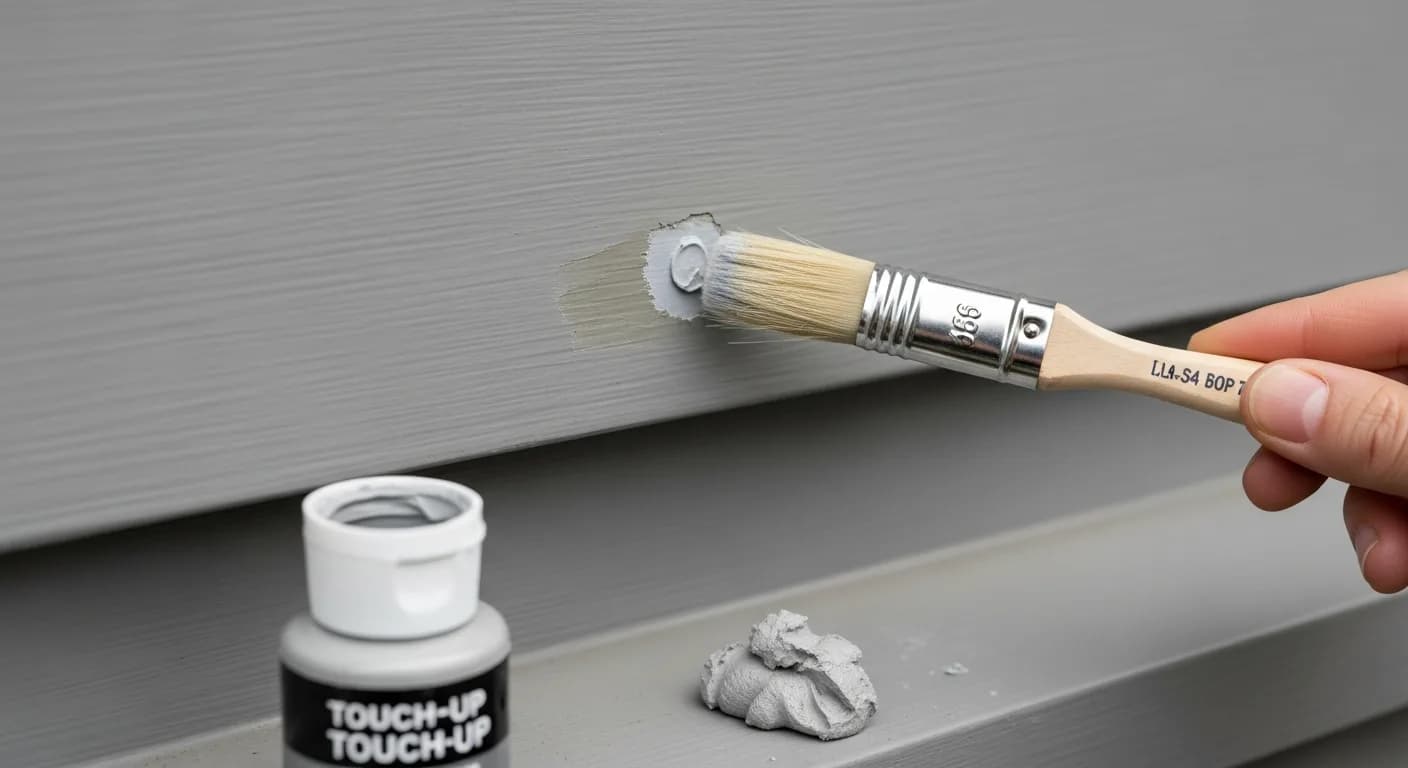
Not every blemish warrants a service call. A shallow surface scuff, a single small chip at a plank edge, or a nail dimple that telegraphed through can be addressed with a manufacturer-matched touch-up kit and patience. Clean the area, fill chips with a cementitious patching compound rated for fiber cement, let it cure fully, then feather paint with a small brush using the matched ColorPlus touch-up bottle or your field-paint color. Resist the urge to glob filler over a crack without understanding why it cracked. A clean, narrow crack from a single impact is cosmetic; a crack that recurs, runs at an angle, or appears alongside others may signal a fastening, framing, or moisture problem underneath that filler will only mask. Likewise, a board that sounds hollow, feels soft, or shows swelling at the edges has likely taken on water and needs replacement, not patching, by someone who can open the wall and confirm the cause. Replacing a single plank without disturbing its neighbors, re-flashing a window, or chasing a recurring crack to its source all call for a licensed exterior contractor rather than a weekend fix. The honest dividing line is simple: cosmetic and localized stays in your hands, while anything structural, recurring, or moisture-related goes to a pro before a small repair becomes a wall rebuild. For the larger picture on how these repairs fit a full exterior, our (/fiber-cement-siding) overview frames where touch-ups end and renovation begins.
Key takeaways
- Annual gentle wash + sealant walk-through = foundation of Hardie maintenance
- Sealant refresh every 7-12 years; cost runs $300-800 whole-home
- ColorPlus refresh at 12-15+ years; south/west elevations first
- Never pressure-wash Hardie — damages finish and voids warranty
- Smoke season requires extra cleanup attention
- Hardie repairs cleanly with board replacement when caught early
FAQ
Quick Answers
Factory-finished ColorPlus board often goes 12-15+ years before refresh consideration, with south and west elevations needing attention first. Field-painted Hardie typically needs repaint at 5-8 years on sun-exposed elevations, much longer on north. Sacramento Valley homes are on the shorter side of these ranges due to UV intensity; coastal Bay Area homes can extend longer.
Yes — we assess, maintain, and refresh existing Hardie installations regardless of original installer. Annual inspection visits, sealant refresh, color refresh, board replacement, and full repaint are all available.
No — pressure washing can damage the ColorPlus finish, force water behind cladding into the wall assembly, and void James Hardie warranty coverage. Use garden hose with low-pressure spray nozzle, mild detergent if needed, and gentle scrubbing for stubborn spots. The maintenance protocol is intentionally gentle.
Hardie is non-organic fiber cement — termites don't eat it, dry rot doesn't develop in it, and woodpeckers rarely target it because it doesn't yield to their pecking. Pest damage on Hardie exteriors is essentially non-existent. This is one of Hardie's significant advantages over wood-based cladding in California.
Visual inspection: cracks visible from arm's length, sealant pull-away from substrate (gap visible), discoloration suggesting UV breakdown, or any sealant that's brittle to fingernail pressure. When in doubt, refresh — sealant is inexpensive compared to repairing water damage from failed sealant.
Yes substantially over 30+ year ownership. Field paint requires repaint every 5-8 years in California sun ($8-15K per cycle on typical home); ColorPlus delivers 12-15+ years and the refresh cycle when needed often costs less than full repaint. Over 30 years, ColorPlus typically saves $15-30K vs. field paint repaint cycles.
Sources
Authoritative references
External links to government, code, and manufacturer sources. Sierra Siding is not affiliated with these organizations; references are provided for verification.