
11 min read · Buyer's Guide
Folsom is in the middle of a cladding-replacement wave. The bulk of the housing stock — Empire Ranch, Briggs Ranch, Russell Ranch, Lexington Hills, Broadstone, and the older Folsom neighborhoods near the lake — was built between 1985 and 2005 with hardboard, T1-11, early-generation fiber cement, or vinyl. All of those substrates are now at or past end-of-life. The homeowners refreshing first are picking up the strongest contractors at the best prices; those waiting another 3-5 years will hit the demand peak and pay accordingly. Here are 8 specific James Hardie decisions Folsom homeowners are making right now to land their refresh in the strongest position. Sierra Siding installs across Folsom, El Dorado Hills, Cameron Park, and the broader foothill-edge market.
1. Verify Hardie HZ10 (not HZ5) — Folsom sits in the climate-spec sweet spot
Folsom's climate is firmly Hardie HZ10 territory — hot, dry, UV-intense, with thermal cycling and minimal freeze-thaw exposure. HZ10 is engineered specifically for these conditions. Some contractors stock HZ5 from prior projects in cooler climates and install it on Folsom homes; the boards look identical but the underlying product formulation is wrong for the climate. Premium 2026 Folsom homeowners verify HZ10 in writing on the contract material specification line. Reference: Hardie HZ10 vs HZ5 — California Climate Guide.
2. Choose between HardiePlank, HardiePanel, and HardieShingle deliberately
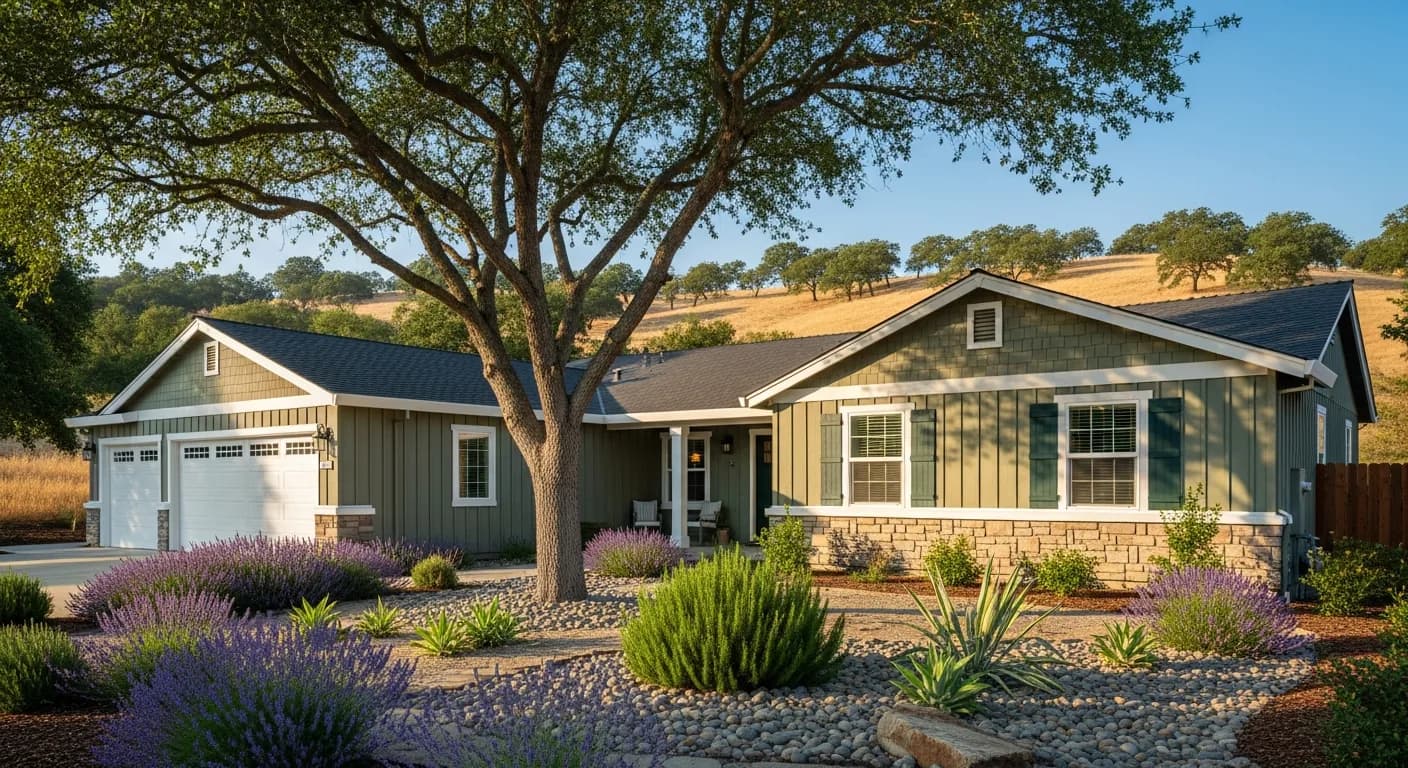
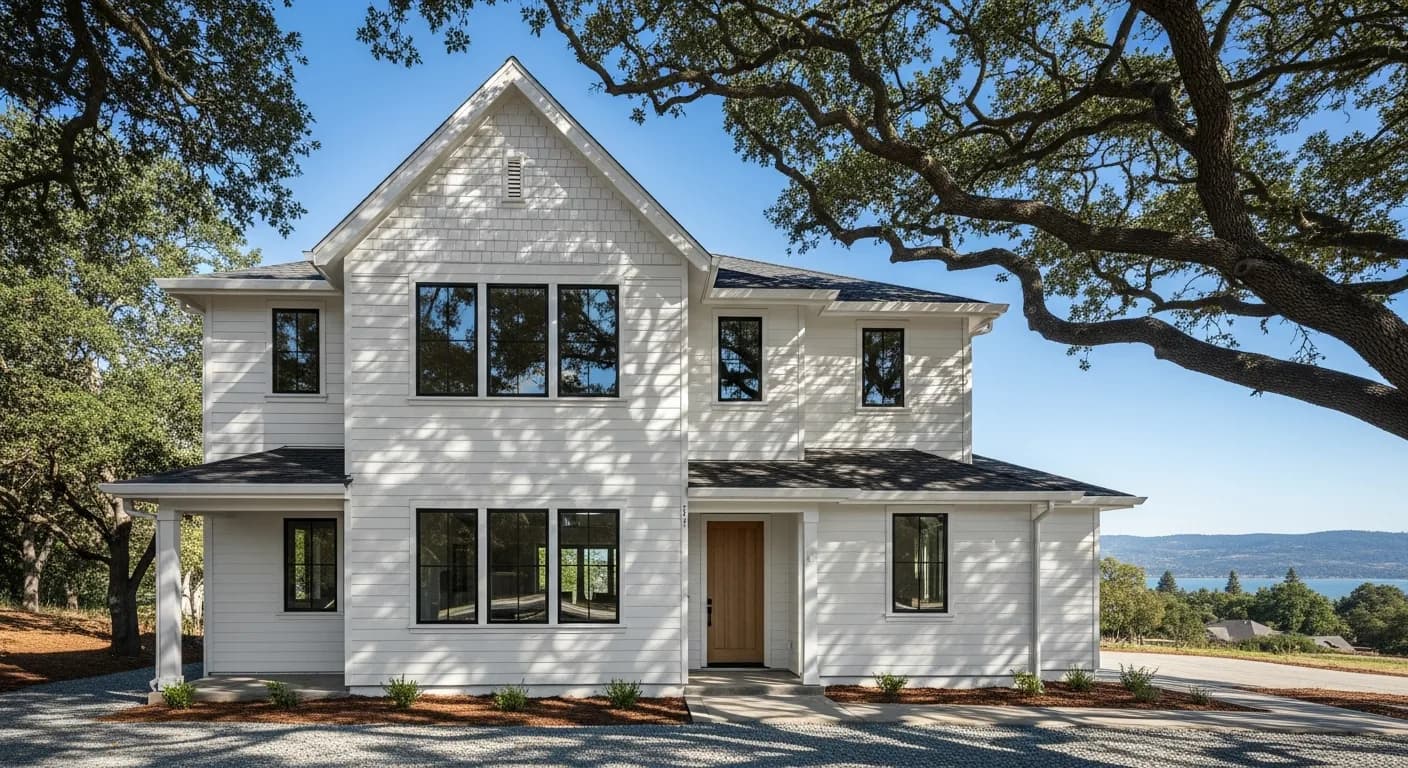
Folsom homes span architectural vocabularies — single-story ranch (Lexington Hills), two-story craftsman (Russell Ranch), modern farmhouse (Empire Ranch), and Mediterranean (older Folsom near the lake). The right Hardie profile depends on architecture. HardiePlank horizontal lap suits ranch, craftsman, and modern farmhouse subordinate elevations. HardiePanel board-and-batten suits modern farmhouse primary elevations. HardieShingle suits craftsman gable accents and beach/cottage architecture. Premium homeowners pick deliberately rather than accepting one-size-fits-all spec.
4. Plan for foothill-edge climate adjustments
Eastern Folsom and properties near the El Dorado County line sit at the foothill edge — slightly cooler than valley, slightly more humid, with some properties in or near Fire Hazard Severity Zones. Premium homeowners check FHSZ status on the CAL FIRE map before scoping. Properties in designated zones trigger WUI-code requirements (non-combustible cladding, ember-resistant vents, boxed eaves). Properties just outside benefit from optional fire-aware detailing without code mandate. See California Fire-Resistant Exteriors for the framework.
5. Address aged hardboard substrate honestly during scoping
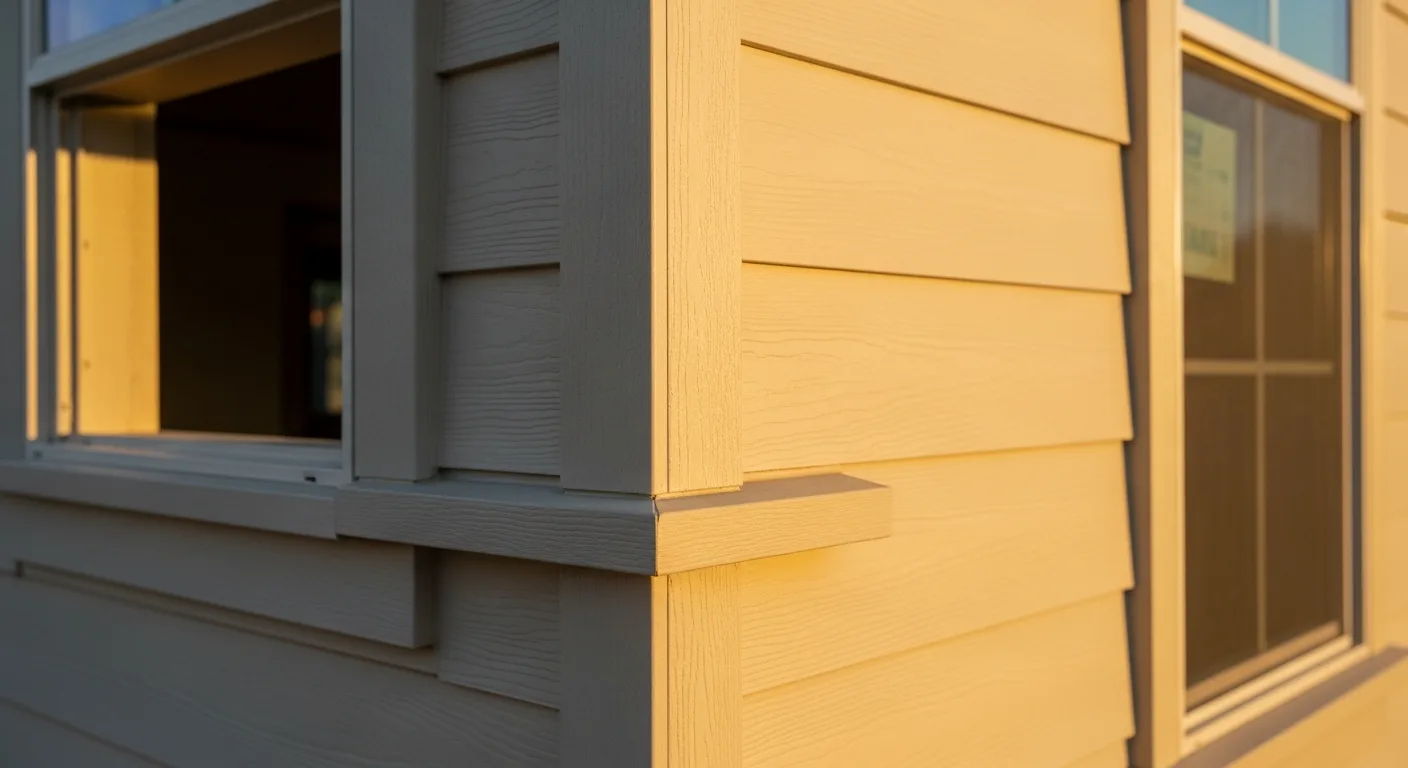
Folsom homes built before 1995 commonly have aged Masonite-era hardboard substrate that fails progressively at the bottom edge, around window openings, and at corner transitions. Premium homeowners insist on substrate inspection during scoping (not just at tear-off surprise) and budget honestly for substrate repair — $2,500-$6,000 on typical homes, more on visibly stressed stock. Substrate work that surfaces mid-project as 'extra' is often pre-existing and pre-discoverable. Ask explicitly during the scoping conversation.
6. Integrate window replacement with the re-side
Folsom homes built in the 1985-2005 window have aluminum-clad windows that are simultaneously reaching end-of-life with the cladding. Combined window + Hardie projects deliver better flashing integration (single assembly vs. retrofitted later), 5-15% combined-project savings, and modernized curb appeal in one project window. Premium homeowners are recognizing this and bundling the scope. Total combined budget typically runs $58,000-$95,000 on Folsom 2,500-3,200 sq ft homes. See Window and Siding Cost Together.
7. Coordinate gutters and fascia with the cladding scope
Aged Folsom gutters are typically galvanized steel installed alongside the original cladding — both reaching end-of-life simultaneously. The fascia behind the gutter often has substrate damage from years of gutter overflow at clogged downspouts. Combined cladding + gutter + fascia scope addresses all three correctly with integrated flashing. We refer the gutter scope to GutterFX, the NorCal gutter specialist we coordinate with, so the integration handoff happens cleanly. See Gutter and Siding Integration.
8. Document the project for the next sale
Folsom homes have strong resale fundamentals — schools, location, lake access, neighborhood amenities. Documented exterior work supports premium pricing at resale. Premium homeowners require: dated photos throughout the project, written Hardie product specification (HZ10, ColorPlus product, color code, profile), manufacturer warranty registration, building permit and final inspection records, and any HOA architectural approval where applicable. The documentation file is a deliverable on our standard Folsom projects.
9. Get the trim and corner system right before you fall in love with the color
Most Folsom homeowners obsess over the field color and never think about the trim package until the crew is already on site, which is backwards. HardieTrim boards in 4/4 and 5/4 thicknesses define the architectural read of the house far more than the plank itself, and the choice between a battened, board-and-batten accent gable versus a smooth craftsman frieze changes the whole elevation. Decide early whether outside corners get factory metal corner caps or mitered HardieTrim, because the labor and detailing differ substantially. On the tract homes around Broadstone and Empire Ranch, builders used minimal trim to save cost, so a re-side is your one cheap opportunity to add proportionally correct window casing and a real water table at the foundation line. Match trim reveals to your window manufacturer's nailing fin depth so the casing sits proud of the cladding rather than getting buried. If you are matching an HOA-approved palette, pull the architectural guidelines first; many Folsom associations specify trim-to-body contrast minimums. Bring sample boards to the elevation at three times of day, because foothill light shifts warm in the late afternoon and a trim that reads crisp white at noon can look cream at five. Our team can mock up trim options during a walkthrough; you can start that conversation through the free estimate request.
10. Understand the WRB and flashing layer hiding behind the new boards
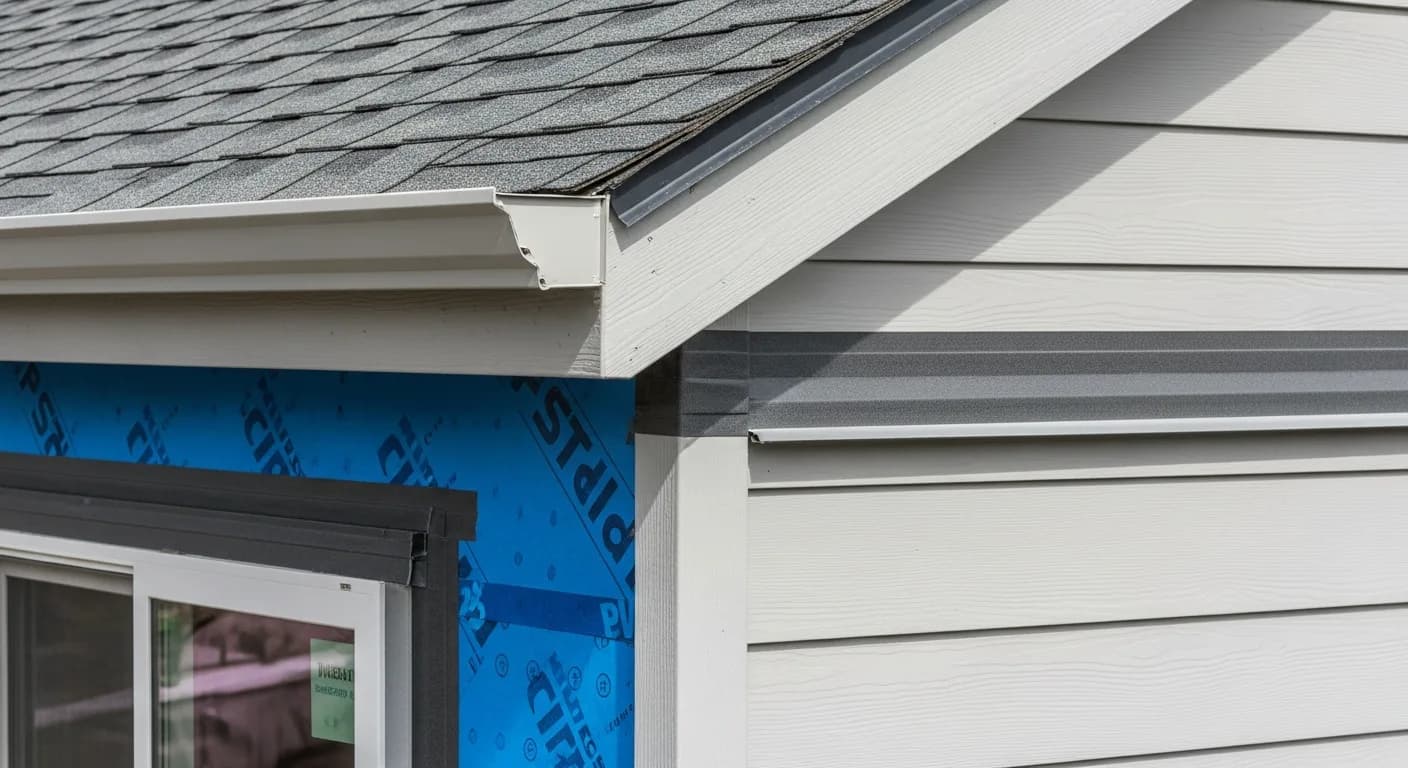
The single biggest difference between a re-side that lasts thirty years and one that fails at fifteen has nothing to do with the Hardie product itself; it is the water-resistive barrier and flashing detailing underneath. When the old hardboard or T1-11 comes off a Folsom home, you finally get eyes on sheathing that has been sealed up since the Clinton administration. This is the moment to install a proper drainage plane, integrate kick-out flashing at every roof-to-wall intersection, and pan-flash window openings rather than relying on caulk. James Hardie's published installation requirements call for specific clearances, fastener types, and a continuous WRB, and ignoring them can void the product warranty per James Hardie. Folsom's intense summer thermal cycling and occasional wind-driven winter rain off the lake punish any shortcut at penetrations. Insist that hose bibs, dryer vents, electrical penetrations, and the gas meter all get dedicated flashing blocks rather than being smeared over. A reputable installer should be carrying a current license you can confirm through the Contractors State License Board, and the flashing scope should be itemized on your contract, not buried in a vague tear-off line. If your tear-off exposes rot, that is a separate conversation; see how we approach hidden damage on our siding repair work before it gets clad over.
11. Time the project around Folsom's weather and permitting calendar
Scheduling a re-side is a logistics decision, not just a money decision. Folsom summers routinely run past 100 degrees, and fiber cement cutting in full sun is brutal on a crew and slows production, while ColorPlus touch-up and any field caulking cure poorly in extreme heat. The shoulder seasons of late spring and early fall give the best balance of dry working days and tolerable temperatures, which is exactly why those windows book out first. If your project triggers a building permit, factor the City of Folsom plan-review and inspection timeline into your start date rather than assuming the crew can begin the week you sign. Reroute the conversation early if you are also touching structure, because combined permits take longer. Material lead times matter too; specific ColorPlus colors and HardieShingle profiles are not always in regional stock and can add weeks. Booking in the off-peak winter months sometimes earns better pricing, but you trade that against rain delays and the reality that exposed sheathing during a teardown is vulnerable, so the crew must be able to dry-in fast. Plan for staging space; a typical Folsom lot needs room for a dumpster, a cut station, and material storage without blocking neighbors or violating HOA street rules. We can sequence your job against these constraints during scoping at the estimate stage.
12. Budget realistically using regional cost data, not national averages
Folsom homeowners frequently anchor on a number they saw in a national article, then get sticker shock when the bid lands higher. Sacramento-region labor, California disposal fees, and the detailing a quality re-side demands all push local pricing above the figures quoted for cheaper markets. Fiber cement also costs more to install than vinyl because it is heavier, requires specialized cutting and dust control, and demands more fasteners and trim labor. The payoff is on the resale side; siding replacement consistently ranks among the stronger exterior projects for recouped value in the annual Remodeling Cost vs. Value report, and in a design-conscious market like Folsom a clean Hardie elevation can shorten days-on-market noticeably. Build your budget in layers: the cladding and trim package, the WRB and flashing scope, any rot remediation discovered at tear-off, and optional adjacent upgrades like windows or gutters. Hold a contingency of roughly ten to fifteen percent specifically for hidden substrate damage, because on 1990s tract stock it is common, not rare. Avoid the trap of choosing the lowest bid that omitted flashing or trim detail; you will pay the difference later in repairs. For a grounded look at what drives California-specific pricing before you collect bids, walk through our siding cost in California breakdown.
Key takeaways
- Hardie HZ10 is the Folsom climate-correct spec — verify it in writing
- Pick Hardie profile to match the home's architectural vocabulary
- ColorPlus on primary elevations is non-negotiable for fade resistance
- Foothill-edge properties may trigger the WUI code — check FHSZ before scoping
- Aged hardboard substrate work is real — budget $2,500-$6,000 honestly
- Combined window + siding + gutter scope captures integration value
FAQ
Quick Answers
A quality Hardie HZ10 ColorPlus installation over a properly detailed weather-resistive barrier and flashing system lasts 40-50+ years in Folsom exposure. The cladding outlives most homeowners' time in the property.
The typical Folsom scope band runs $38,000-$60,000 for Hardie ColorPlus re-side on 2,500-3,500 sq ft homes. Combined with windows: $55,000-$88,000. See Hardie Siding Cost in Folsom for itemized planning.
Eastern Folsom and properties near the El Dorado County line are most likely to fall in designated zones. Check the CAL FIRE Fire Hazard Severity Zone map for your specific parcel. Designated High or Very High zone triggers the 2025 California Wildland-Urban Interface Code on substantial exterior work.
If your windows are original 1985-2005 production-builder aluminum-clad units, yes — they're reaching end-of-life simultaneously with the cladding. Combined replacement saves 5-15% and dramatically improves flashing integration. If windows are recent (post-2015), keep them and re-flash during the cladding scope.
Yes — Folsom winters are intermittently rainy but include substantial dry windows. Quality contractors work around weather with dry-in protocol at end of each day. Schedule extends ~20-30% during deep rainy season but quality holds. See Re-Siding During California Rainy Season.
HZ10 is engineered for the hot-dry, low-freeze West (Sacramento, Folsom, the Central Valley, the Bay Area, and the lower foothills). HZ5 is engineered for Northern climates with hard freeze-thaw and snow exposure — in California that's only the high Sierra and Tahoe snow country (Tahoe, Truckee, the high Sierra). The right product matters for long-term performance; using HZ5 in Folsom or HZ10 in Tahoe is the wrong spec for the climate.
Sources
Authoritative references
- James Hardie — official product & installation resources
- James Hardie ColorPlus Technology
- California Energy Commission — Title 24 Building Energy Efficiency Standards
- Contractors State License Board (CSLB) — verify a California contractor
External links to government, code, and manufacturer sources. Sierra Siding is not affiliated with these organizations; references are provided for verification.