12 min read · Buyer's Guide
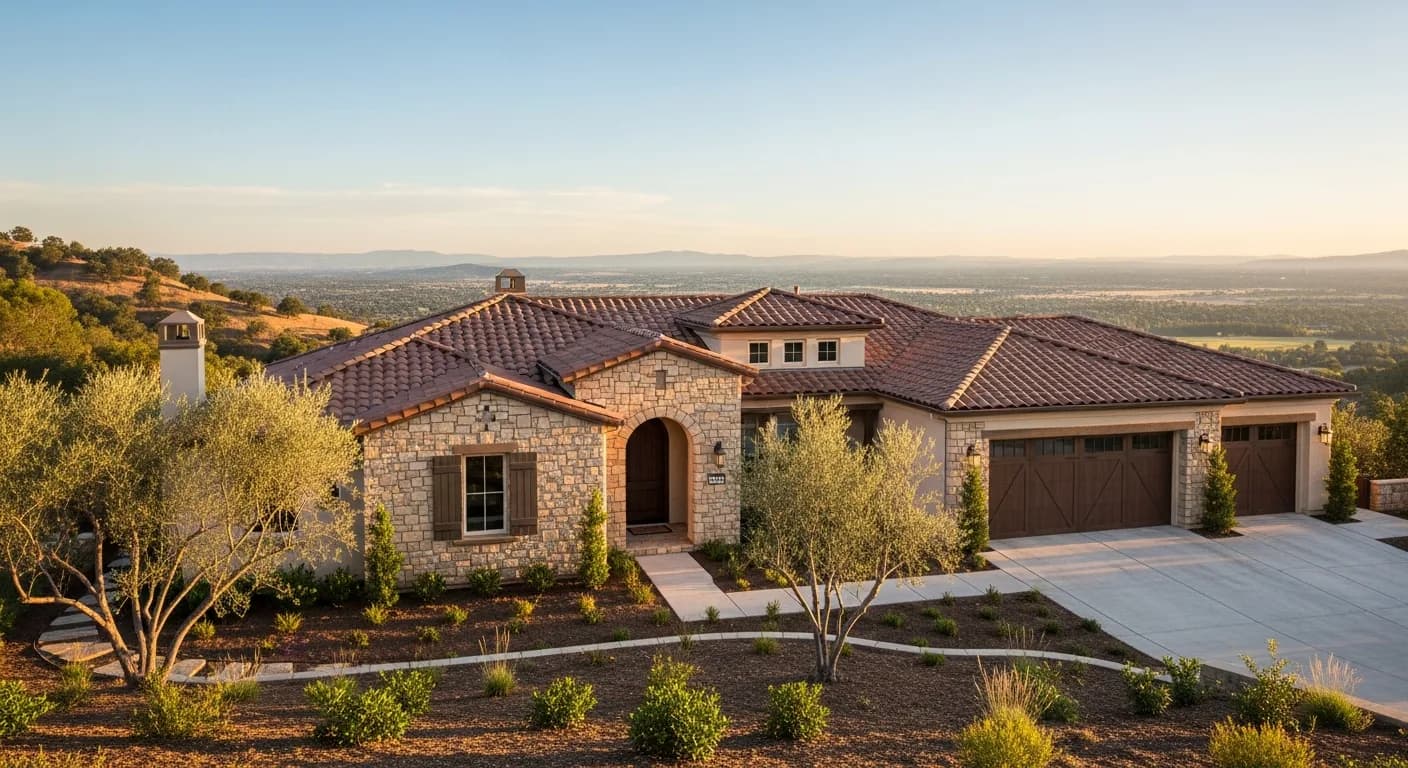
El Dorado Hills exteriors sit in genuine wildfire-exposure territory. Most parcels fall within California's designated Fire Hazard Severity Zones — High or Very High — which means any substantial exterior remodel triggers the 2025 California Wildland-Urban Interface Code requirements. Beyond the code, California's insurance market is restructuring around documented home-hardening. Insurers are increasingly tying retention and discount eligibility to Safer from Wildfires framework components, and El Dorado Hills homeowners with undocumented exteriors face the toughest renewal conversations. The 10 decisions below address both: code compliance and the insurance-facing documentation that supports your coverage position. Sierra Siding works across El Dorado Hills, Cameron Park, Shingle Springs, and the broader El Dorado County foothill market.
1. Confirm your parcel's Fire Hazard Severity Zone first
Before any scoping conversation, pull your parcel's FHSZ designation from the CAL FIRE / State Fire Marshal map. High and Very High designation triggers the WUI code on substantial exterior remodel work. Moderate designation may apply local jurisdiction overlays. Knowing the designation determines spec, cost, and timeline before the contractor walk. Reference: CAL FIRE Fire Hazard Severity Zone maps and our California Fire-Resistant Exteriors guide.
2. Choose Class A non-combustible cladding (Hardie HZ10 or stucco)
The WUI code requires non-combustible (ASTM E136) Class A (ASTM E84) cladding installed in a compliant assembly per the SFM 12-7A-1 wall test. The practical choices are James Hardie fiber cement in HZ10 spec (engineered for hot-dry climates including El Dorado Hills) or 3-coat stucco. Wood and standard vinyl are non-starters as exposed WUI cladding. We default to Hardie HZ10 ColorPlus on El Dorado Hills foothill projects unless homeowner architectural intent specifically calls for stucco. See Best Fire-Resistant Siding for California.
3. Install ember-resistant vents at every soffit and gable opening
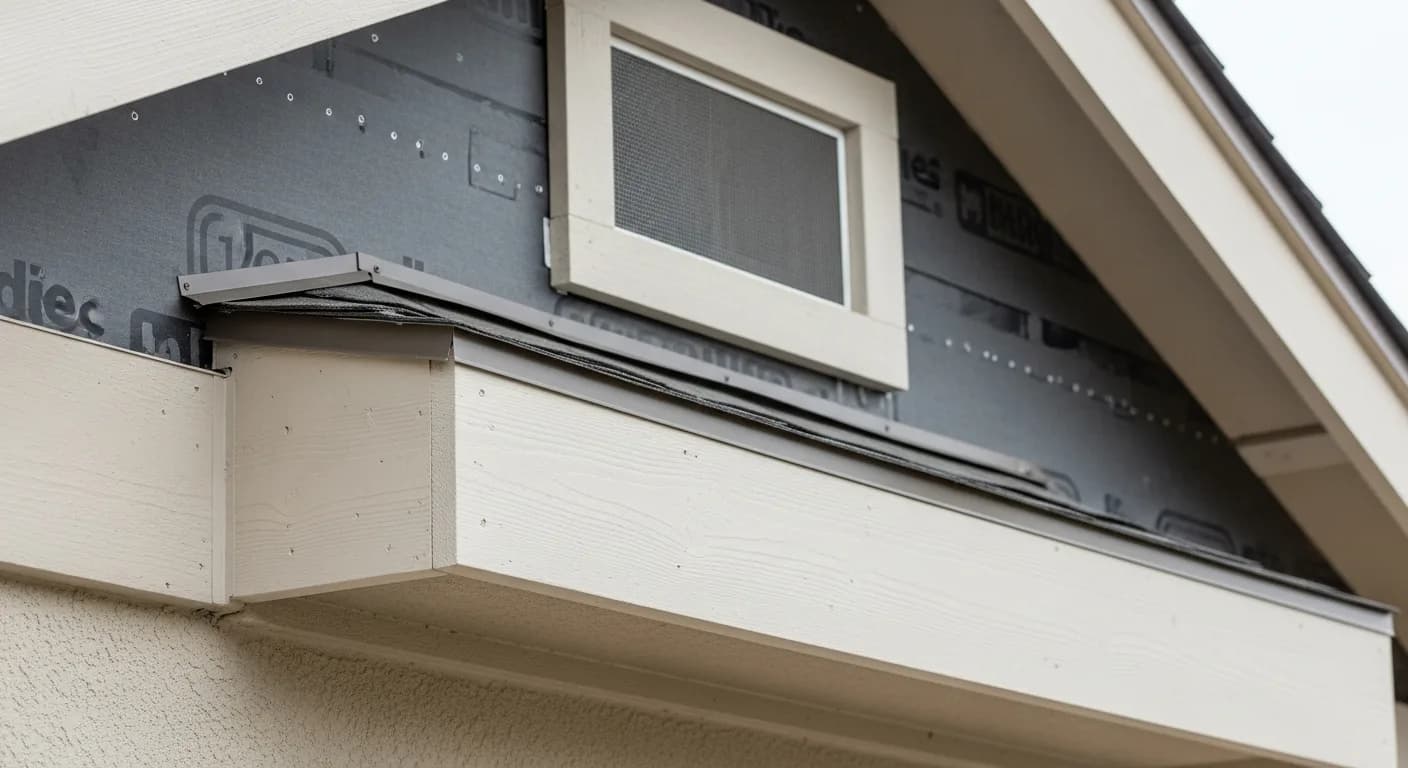
Wind-driven embers — not direct flame — are how most California homes ignite during wildfire events. Embers enter through under-screened vents, accumulate in attics and crawlspaces, and find combustible material to ignite. The WUI code requires listed ember-resistant vent assemblies, or at minimum 1/8-inch non-combustible mesh, at all exterior vent openings. Premium El Dorado Hills homeowners specify listed assemblies (Vulcan Vent, Brandguard) for documented protection. See Wildfire Exterior Home Hardening.
4. Enclose eaves with non-combustible boxed soffits
Open eaves with exposed rafter tails and unprotected soffit cavities trap rising heat and create ignition pockets during fire events. The WUI code requires enclosed non-combustible soffits at eaves on designated FHSZ parcels. James Hardie HardieSoffit (non-combustible fiber cement panel) in boxed configuration meets requirements. The architectural impact is real — some traditional craftsman exposed-rafter-tail homes shift to boxed eaves, changing the visual vocabulary. Premium homeowners adapt the architecture rather than the safety requirement.
5. Maintain Zone 0 — the 0-to-5-foot ember-resistant zone
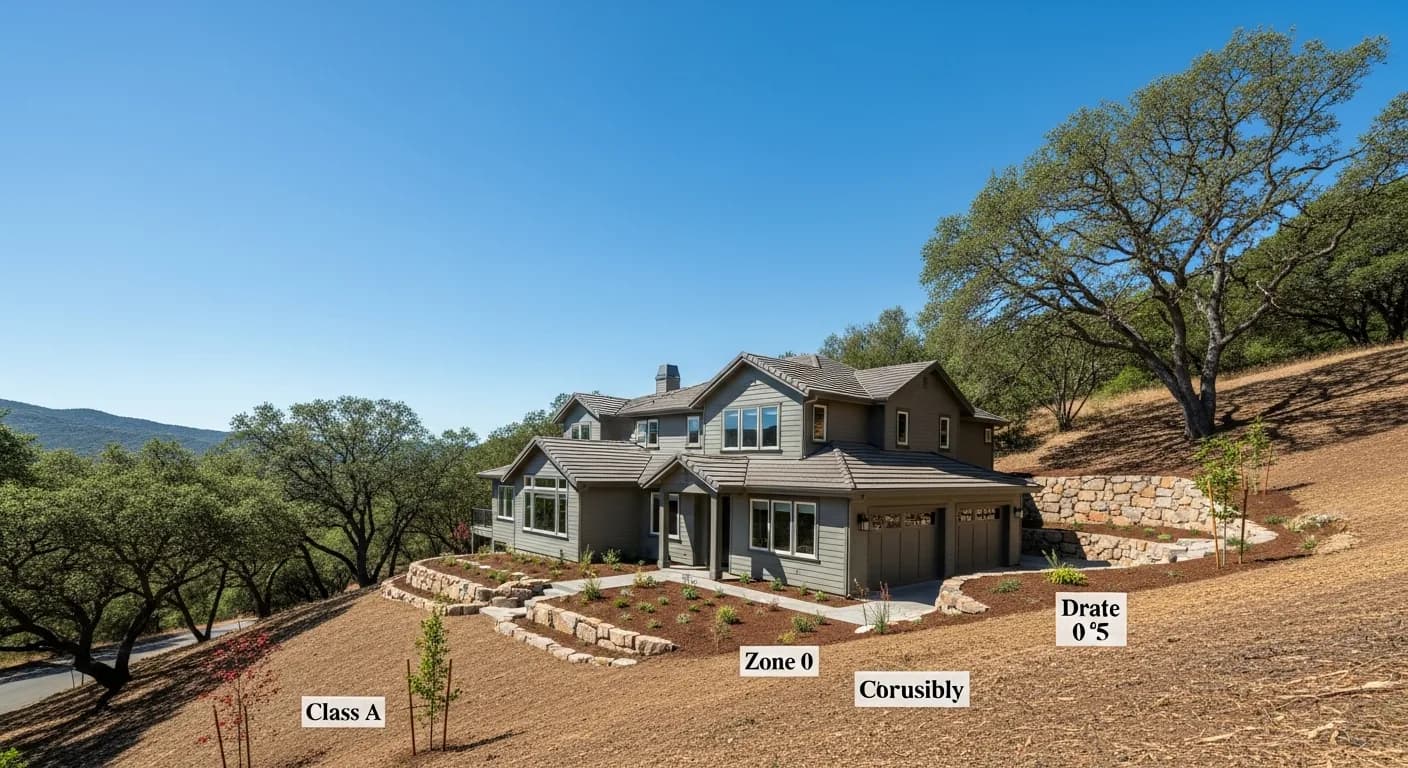
California Assembly Bill 3074 (AB 3074) established Zone 0 as the 0-to-5-foot ember-resistant zone immediately surrounding the structure. No mulch, woodpiles, combustible fencing, dense vegetation, or stored combustibles within 5 feet of any exterior wall. Premium El Dorado Hills homeowners pair the re-side with comprehensive Zone 0 landscaping — stone mulch, hardscape paving, non-combustible ground cover. The hardened cladding works as a system with cleared Zone 0; a hardened cladding without cleared Zone 0 buys little protection.
6. Coordinate the WUI code with defensible space planning (Zones 1-2)
The WUI code handles the wall assembly; California Public Resources Code 4291 handles the defensible space beyond it (Zones 1 and 2, 5-100 feet from structure). Premium El Dorado Hills homeowners coordinate both — non-combustible cladding inside Zone 0, thinned vegetation and managed fuel load in Zones 1-2. The two scopes are different specialties (siding contractor vs. landscape/fire mitigation specialist). Sierra Siding handles the cladding side and provides referral to defensible space specialists for the landscape work.
7. Address windows, doors, and ground transition
The WUI code applies to the full exterior envelope, not just cladding. Dual-pane or tempered glazing at windows and doors. Integrated flashing at every opening. Non-combustible ground-to-wall transition. These are scope items that premium homeowners verify are included in the spec, not assumed. Window replacement during the re-side captures the window upgrade most economically. See Window Install Methods for California.
8. Verify ordinance or law insurance coverage before scoping
If your homeowner's insurance policy doesn't include 'ordinance or law' coverage (also called 'building code upgrade' coverage), you pay for the WUI-code upgrades yourself even on insurance-covered claim work. Premium El Dorado Hills homeowners verify this coverage before scoping any substantial exterior work — and pursue adding it during the next renewal if absent. The cost differential between rebuilding what was there vs. rebuilding to current WUI code is substantial on whole-exterior scope. See Wildfire Insurance and Home Hardening.
9. Document everything for the Safer from Wildfires insurance file
California's Safer from Wildfires framework identifies hardening measures insurers must consider for discount and retention eligibility. Premium El Dorado Hills homeowners document their hardening comprehensively: dated photos of every WUI-code scope element (cladding, vents, eaves, Zone 0), written specification documents, manufacturer product data, contractor CSLB verification, and FHSZ designation. The documentation file is what your insurer can actually use; an undocumented hardened home is much weaker in the insurance conversation than a documented one. See Wildfire Insurance Home Hardening.
10. Maintain hardening over time — annual fire-season prep
WUI-code compliance at install is the foundation, not the finish line. Annual fire-season prep maintains the system: Zone 0 cleared each year, vents and gutters cleaned of debris before fire season, sealant and flashing inspected for failures, defensible-space vegetation managed. Premium El Dorado Hills homeowners build this into annual exterior maintenance routines. See Siding Prep for Fire Season California for the annual protocol.
11. Plan the re-siding sequence so old and new cladding never overlap combustibly
Most El Dorado Hills hardening projects are retrofits, not new builds, which introduces a sequencing problem that pure new-construction guides ignore. When you strip an existing wall, the moment the old wood or vinyl comes off you expose sheathing, framing penetrations, and old weather barriers that were never installed to ignition-resistant standards. The smart move is to harden one elevation completely before opening the next, rather than tearing the whole house down to studs and leaving combustible building paper exposed through a dry week. On a south- or west-facing wall that takes the worst ember load, sequence the work so the water-resistive barrier, any required fire-resistant sheathing layer, and the new Class A cladding go up in a tight window. Pay attention to the transition where new fiber cement meets a still-original section: butt joints between dissimilar materials are where installers improvise, and an improvised gap is an ember pocket. If your crew is phasing the job over weeks, ask how they will protect open assemblies overnight. A full strip-and-replace also lets you correct the original flashing and kick-out details that funnel water and debris behind the wall. Our siding repair and full-replacement workflows are built to keep each elevation buttoned up before moving on, and the California siding cost guide explains how phasing affects budget. You can scope a sequenced plan through our free estimate request.
12. Understand the cost gap between fiber cement and the cheaper non-compliant options
Homeowners often anchor to a vinyl or engineered-wood quote, then get sticker shock when a WUI-code scope comes back higher. The gap is real, but it is smaller than people assume once you account for what the cheaper option cannot do. Vinyl is not a Class A exterior solution in a Very High zone, so a low bid built on it is solving a different problem than the one your parcel actually has. Fiber cement carries a higher material and labor cost because the boards are heavier, require carbide blades, demand dust controls, and fasten on a tighter schedule. Industry remodeling-return data such as the Remodeling Cost vs. Value report consistently shows fiber cement re-siding recovering a strong share of its cost at resale, and in a fire zone that recovery is reinforced by insurability that vinyl cannot offer. When you compare bids, normalize them: confirm each includes the ember-resistant vents, boxed soffits, and Zone 0 transition details, not just the wall field. A bid that is cheap because it quietly omits the 7A components is not actually cheaper. Walk through realistic ranges for an El Dorado Hills slope lot in our California siding cost resource, and review product specifics on our fiber cement siding page before you let price alone decide the assembly.
13. Verify your contractor and permit path for a fire-zone exterior
A wildfire-hardening exterior in a High or Very High zone is a permitted, inspected scope in most of El Dorado County, not a handshake re-side. Before signing anything, confirm the contractor holds the correct active California license for the work; you can check status directly through the Contractors State License Board. Ask specifically whether they have done WUI-code assemblies, because the vent listings, sheathing call-outs, and tested-assembly documentation are unfamiliar territory for crews that only do standard cladding. The permit itself matters for two downstream reasons. First, the inspection record becomes part of the paper trail your insurer may request to credit hardening. Second, an unpermitted exterior can complicate a future sale once a buyer's inspector flags non-compliant materials in a mapped zone. Clarify who pulls the permit, who schedules the inspections, and whether the bid price already includes those fees or treats them as a pass-through. Confirm how the crew handles the moment an inspector requires a correction mid-job, since that is when timelines and budgets slip. Reputable El Dorado Hills exterior work also coordinates with the local fire authority's defensible-space expectations, not just the building counter. We walk homeowners through the realistic permit and inspection rhythm during a free estimate consultation, and our siding repair team handles the documentation that keeps the file clean from first cut to final sign-off.
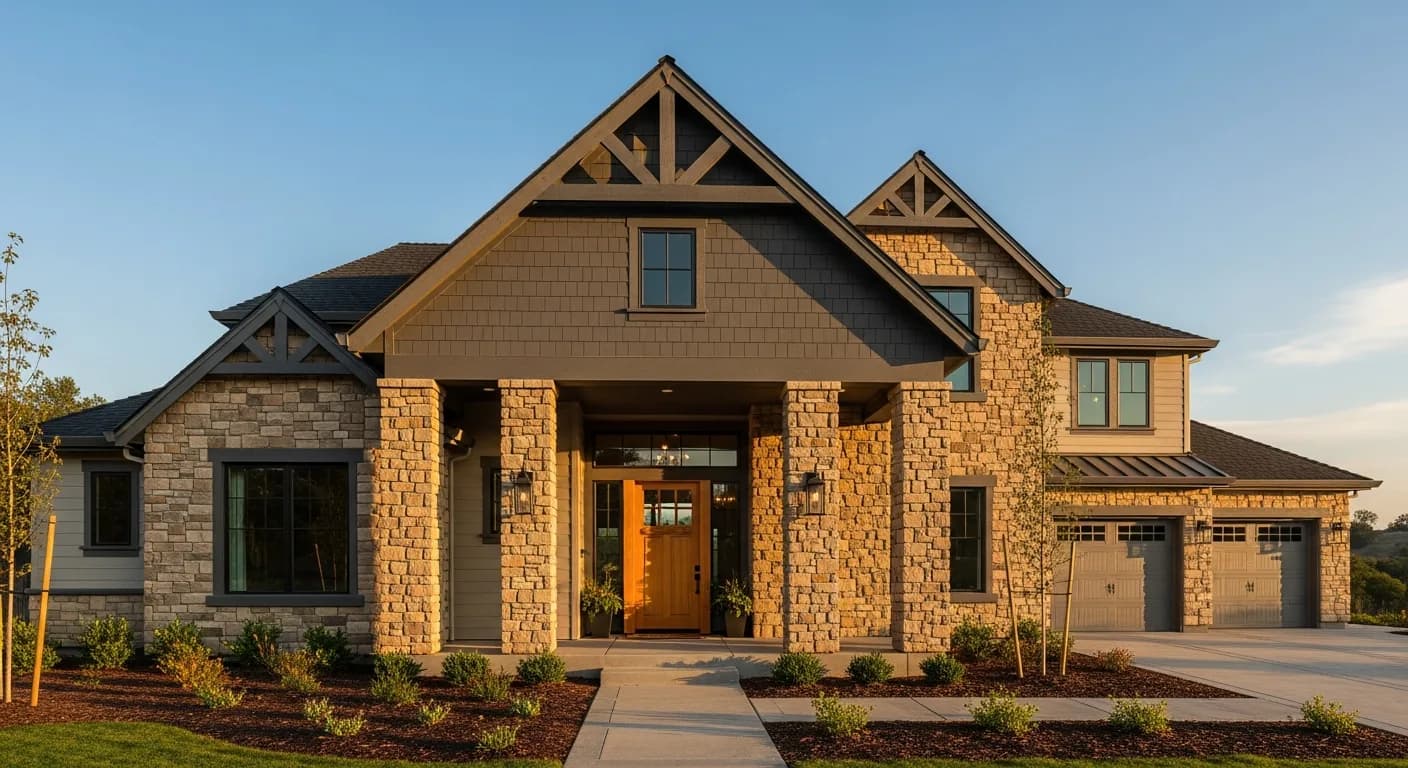
14. Match your hardening priorities to El Dorado Hills' specific terrain and wind
Generic fire guidance treats every house the same, but El Dorado Hills is a patchwork of oak-grassland slopes, drainage canyons, and ridgeline lots, and terrain changes which decisions matter most for your particular parcel. A home on an upslope lot with chaparral below faces a fast-moving, wind-driven front, which puts the premium on the leeward-side ember defenses and on sealing the gable ends that act like a sail catching embers. A house tucked in a swale collects wind-carried debris against its base, raising the stakes on Zone 0 and the ground-to-wall transition more than on the wall field itself. Prevailing afternoon up-canyon winds in the Sierra foothills tend to drive embers toward the downwind elevations, so if budget forces phasing, harden those faces first. CAL FIRE's hazard mapping and guidance, available at CAL FIRE, can show how your block sits relative to the broader fuel landscape, which informs where embers will accumulate. Roof valleys, deck undersides, and the reentrant corners where two walls meet are local hot spots that collect needles and embers regardless of the zone classification on paper. Walk your own lot before you scope the job: note where leaves pile in the fall, which fence lines run right up to the siding, and which elevation the wind hits hardest on a hot afternoon, because those observations should drive the order of work. A terrain-aware plan spends your budget where the parcel is actually weakest rather than spreading it evenly. Our team factors slope, aspect, and prevailing wind into every El Dorado Hills assessment, and you can start that conversation through a free estimate or by reviewing assembly options on our fiber cement siding page.
Key takeaways
- FHSZ designation determines whether the WUI code applies — pull it first
- Class A non-combustible cladding (Hardie HZ10 or stucco) is the foundation
- Ember-resistant vents and boxed non-combustible eaves matter as much as cladding
- Zone 0 (0-5 ft) hardening works with cladding as one system
- Ordinance or law insurance coverage decides who pays for code upgrades
- Documentation supports both code compliance and insurance retention
FAQ
Quick Answers
Most El Dorado Hills parcels are in High or Very High zones, but designation is parcel-specific. Pull your exact designation from the CAL FIRE / State Fire Marshal map before scoping. Designation triggers the WUI code on substantial exterior remodel; non-designated parcels have flexibility on material spec.
The typical El Dorado Hills WUI-code scope band runs $52,000-$95,000 for full WUI assembly (non-combustible cladding + ember-resistant vents + boxed eaves + Zone 0 detailing) on 2,800-4,000 sq ft homes. Estate-scale projects with stone integration and substantial trim can reach $135,000+. See Fire-Resistant Siding Cost in El Dorado Hills.
Honest answer: no. California insurers are making portfolio-level decisions about exposure to fire-prone zones; documented hardening improves your position but doesn't override underwriting capacity decisions. Mitigation matters for discount eligibility and retention conversations; it doesn't guarantee outcomes.
On non-designated parcels, possibly. On designated High or Very High FHSZ parcels, no — the WUI code requires non-combustible cladding for new and remodeled exterior work, and fire-retardant-treated wood is generally not approved as exposed WUI cladding. The path is non-combustible re-cladding, not coating.
On designated FHSZ parcels, the WUI code applies to new construction of ADUs and substantial remodels of detached structures alongside the main residence. Many homeowners assume only the main house needs WUI scope; detached buildings on designated parcels need it too. See California ADU Siding Cost for scope specifics.
Two pressures: (1) insurance — California carriers are tightening underwriting on fire-prone homes; documented hardening matters for current and future coverage; (2) construction cost inflation — WUI-code scope cost has risen ~15-25% over 24 months and continues; deferring substantial work means paying more later. For most El Dorado Hills homes with aged cladding, 2026 is the right window.
Sources
Authoritative references
- CAL FIRE — California Department of Forestry and Fire Protection
- CA Office of the State Fire Marshal — WUI building materials listing
- 2025 California Wildland-Urban Interface Code (Title 24, Part 7) — exterior walls & wall coverings, §504.5
- CAL FIRE Ready for Wildfire — defensible space & the 0–5 ft ember-resistant zone (AB 3074)
- CAL FIRE Ready for Wildfire — home hardening & defensible space
- James Hardie — official product & installation resources
- Contractors State License Board (CSLB) — verify a California contractor
External links to government, code, and manufacturer sources. Sierra Siding is not affiliated with these organizations; references are provided for verification.