
10 min read · Siding Replacement
On many California homes built before about 1980, the hard, brittle cement siding shingles or panels may be asbestos-cement — often called by the old trade name 'transite.' Intact and undisturbed, it generally isn't a hazard. The danger comes when it's cut, sanded, drilled, broken, or demolished, because that releases microscopic asbestos fibers into the air. That is exactly what an uninformed re-side or a DIY tear-off does. This page is deliberately cautious: its job is to help you recognize the possibility, understand the law, and route the work to the right professionals — not to walk you through removing it yourself, which is unsafe and, at scale, illegal in California. Once it's been properly abated, re-siding with a safe modern material is straightforward.
What asbestos-cement (transite) siding is — and why it matters
Asbestos-cement siding is a cement board reinforced with asbestos fibers, common on pre-1980 homes as shingles or flat panels. The U.S. EPA lists siding shingles and asbestos-cement products among the asbestos-containing materials found in homes. It's typically non-friable — meaning fibers stay locked in while the material is intact — but EPA is explicit that asbestos fibers are released 'by the disturbance of asbestos-containing material during … maintenance, repair, and remodeling.' That single fact governs everything about how this siding is handled: leaving sound material alone is safe; cutting or breaking it is the hazard.
How to recognize it — safely
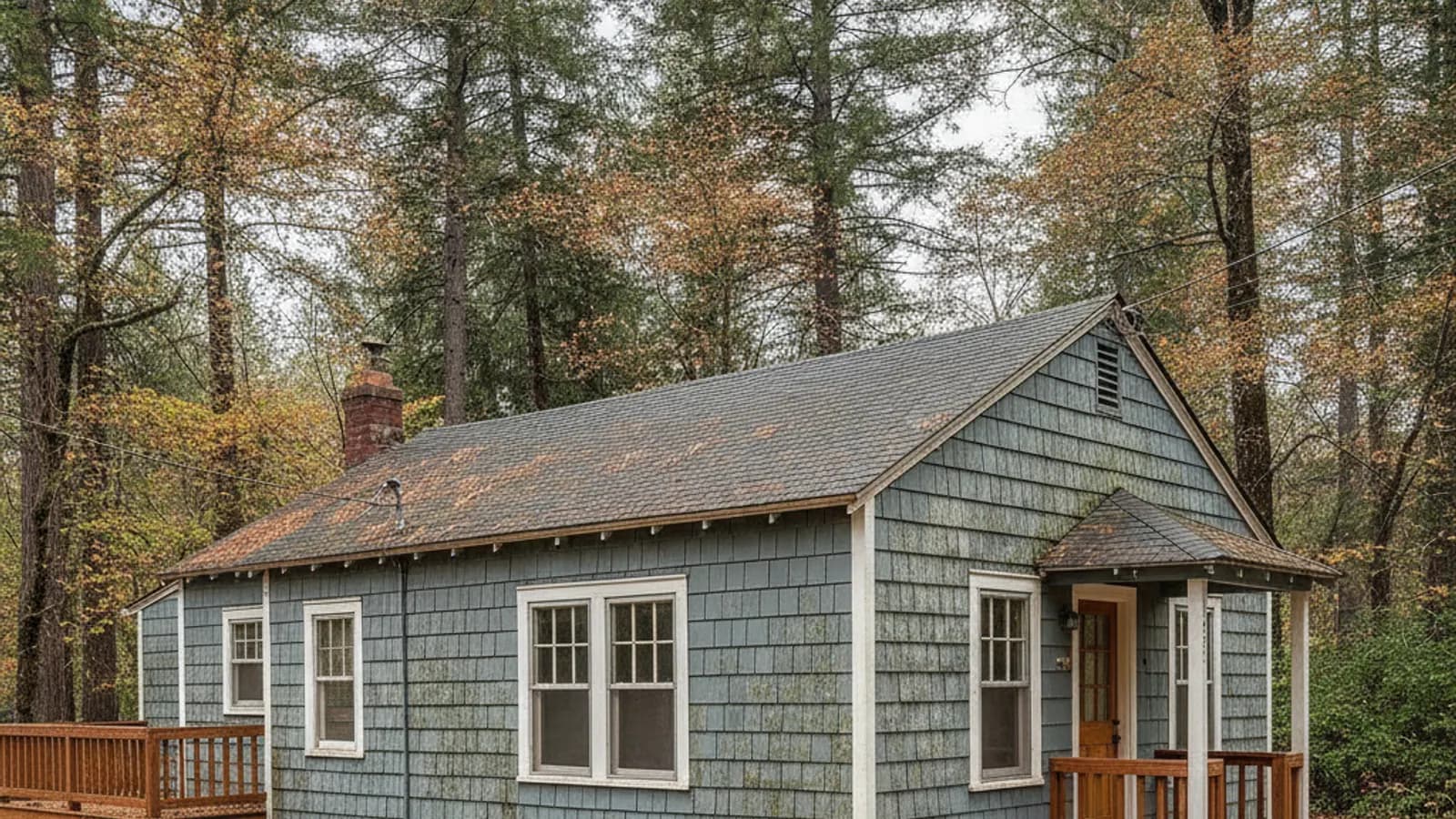
Critically, per EPA, 'you can't tell whether a material contains asbestos simply by looking at it.' So identification is about suspicion, not certainty: a pre-1980 home with hard, brittle, cement-like shingles or panels — often roughly 12x24-inch shingles with a slightly wavy or textured face — should be treated as suspect. Do NOT cut, sand, scrape, drill, break, or pressure-wash it to 'check.' If you need to know, the only safe path is sampling and testing by an accredited professional, who can do it without releasing fibers. Until you know, EPA's guidance is to treat suspect material as if it contains asbestos and leave it undisturbed.
The California rule: abatement before re-siding
Removing asbestos siding is regulated work, not a homeowner project. Under Cal/OSHA's asbestos construction standard (8 CCR §1529) and the Asbestos Contractors' Registration Unit, asbestos work involving 100 square feet or more of material containing more than 0.1% asbestos must be performed by a contractor registered with Cal/OSHA — and, per the CSLB, holding the C-22 Asbestos Abatement classification or asbestos certification. There are also air-district notification rules before demolition or renovation (for example, Sacramento Metropolitan AQMD's asbestos program, and the federal EPA NESHAP framework). In practice this means a full-home asbestos siding removal is handled by a registered abatement contractor, with proper notification, containment, and disposal.
How the project actually works
The honest sequence is: (1) a professional inspection and lab testing to confirm whether the siding contains asbestos; (2) if positive, removal by a registered, certified asbestos abatement contractor following Cal/OSHA and air-district requirements, with the material disposed of as regulated waste; and (3) once the wall is verified clear and a proper weather-resistive barrier and flashing are installed, re-siding with a safe modern material. Fiber-cement replacements like James Hardie are themselves cement-based and asbestos-free, and they restore the durable, fire-resistant cement-board character many of these homes originally had — now with a Class A fire rating and no asbestos. We coordinate the re-side around properly completed abatement; we don't ask homeowners to handle asbestos themselves.
Key takeaways
- Pre-1980 cement siding may be asbestos-cement (transite); intact material is generally safe, but cutting or breaking it releases fibers.
- You cannot identify asbestos by sight — never cut, sand, or pressure-wash suspect siding to 'check'; use accredited testing.
- In California, asbestos work of 100+ sq ft (>0.1% asbestos) must be done by a Cal/OSHA-registered, CSLB-certified abatement contractor.
- The safe sequence: test → professional abatement (if positive) → re-side over a verified-clear, properly flashed wall.
- Modern fiber cement restores durable cement-board character with a Class A fire rating and no asbestos.
FAQ
Quick Answers
Generally no. EPA's guidance is that asbestos-containing material in good condition that won't be disturbed is often best left alone, because the fibers stay locked in the intact material. The hazard arises when it's cut, sanded, drilled, broken, or demolished. The risk is in disturbance — which is exactly why a re-side has to be planned correctly.
You should not. Improper removal can increase fiber exposure for you and your family, and in California asbestos work of 100 square feet or more must be performed by a Cal/OSHA-registered, certified abatement contractor with proper containment, notification, and regulated disposal. The safe and lawful path is to have it tested and, if positive, professionally abated.
You can't tell by looking. A pre-1980 home with hard, brittle, cement-like shingles or panels should be treated as suspect, but the only way to know is sampling and lab testing by an accredited professional, who can collect a sample without releasing fibers. Until it's tested, treat it as if it contains asbestos and leave it undisturbed.
This is regulated work and it is not something a general siding contractor should be doing incidentally. Asbestos abatement in California requires appropriate certification and registration, and there are notification and disposal requirements that sit with your local air district and the state. We are not the right party to tell you what applies to your project — the correct sequence is to have the material tested, and if it is positive, engage a properly certified abatement contractor for the removal before any re-side work begins.
Encapsulating rather than removing is sometimes raised as an option because undisturbed asbestos-containing material is generally considered lower risk than disturbed material. Whether it is permissible and appropriate on a specific building is a question for a certified abatement professional and your local authority, not for a siding contractor. What we can say is that any approach involving drilling, cutting or fastening through the existing material disturbs it, so "just going over it" is rarely as simple as it sounds.
Notification requirements exist and they are administered by your local air quality management district, with thresholds and timelines that vary. A certified abatement contractor will know the process for your area and is the right party to handle it. The important point for a homeowner is that this is not paperwork to be skipped or handled informally — it is a regulatory step, and it happens before demolition rather than after.
Sources
Authoritative references
- U.S. EPA — Protect Your Family from Exposures to Asbestos
- U.S. EPA — Learn About Asbestos (siding shingles & asbestos-cement products)
- Cal/OSHA — 8 CCR §1529, Asbestos (construction standard)
- Cal/OSHA Asbestos Contractors' Registration Unit (ACRU) — registration requirements
- CSLB — Asbestos Certification (ASB) & C-22 classification
- Sacramento Metropolitan AQMD — Asbestos (Rule 902, demolition/renovation)
- U.S. EPA — Asbestos NESHAP (demolition/renovation notification overview)
External links to government, code, and manufacturer sources. Sierra Siding is not affiliated with these organizations; references are provided for verification.