8 min read · Hardie
James Hardie typically costs more than generic or value fiber-cement brands, which raises a fair question: is it worth the premium? The honest answer is 'often, but not always — and for reasons that aren't about the basic material.' All reputable fiber cement shares the same core composition and non-combustibility, so you're not paying Hardie for a fundamentally different material. You're paying for climate-specific engineering, a strong factory-finish program, broad availability, and the contractor familiarity that comes with the market leader. Whether that premium pays off depends on your project — and, more than anything, on whether the siding is installed correctly. Here's a straight cost-benefit for a California homeowner.
What you're NOT paying extra for
Equally important is what the premium doesn't buy, because this is where homeowners overestimate the gap. The fundamental material — Portland cement, sand, and cellulose — and the core advantages it brings (moisture, rot, and pest resistance; non-combustibility for California's WUI areas) are shared across reputable fiber-cement brands, not exclusive to Hardie. The UC ANR Fire Network lists fiber cement generally — not one brand — as a compliant noncombustible siding. So if your priority is simply 'durable, low-maintenance, non-combustible cladding,' a reputable competitor or value brand delivers the same material class. The premium is for engineering, finish, warranty, and availability — not for the basic protection fiber cement gives any home.
When Hardie is worth it — and when it isn't
**Worth the premium** when: you want a factory-baked finish with strong UV color retention; you value climate-matched product lines for our heat, fog, or coastal exposure; you want the schedule certainty and color selection that come with broad local availability; or you simply want the most familiar, easily-serviced product on the market. **Reconsider** when: your budget is tight and a reputable value brand is well-stocked locally and installed by someone who knows it; or your design calls for a specialized look (e.g., modern architectural panels) another brand serves better. There's no universal verdict — and any contractor who insists Hardie is the only acceptable answer is selling, not advising.
The factor that outweighs the brand decision
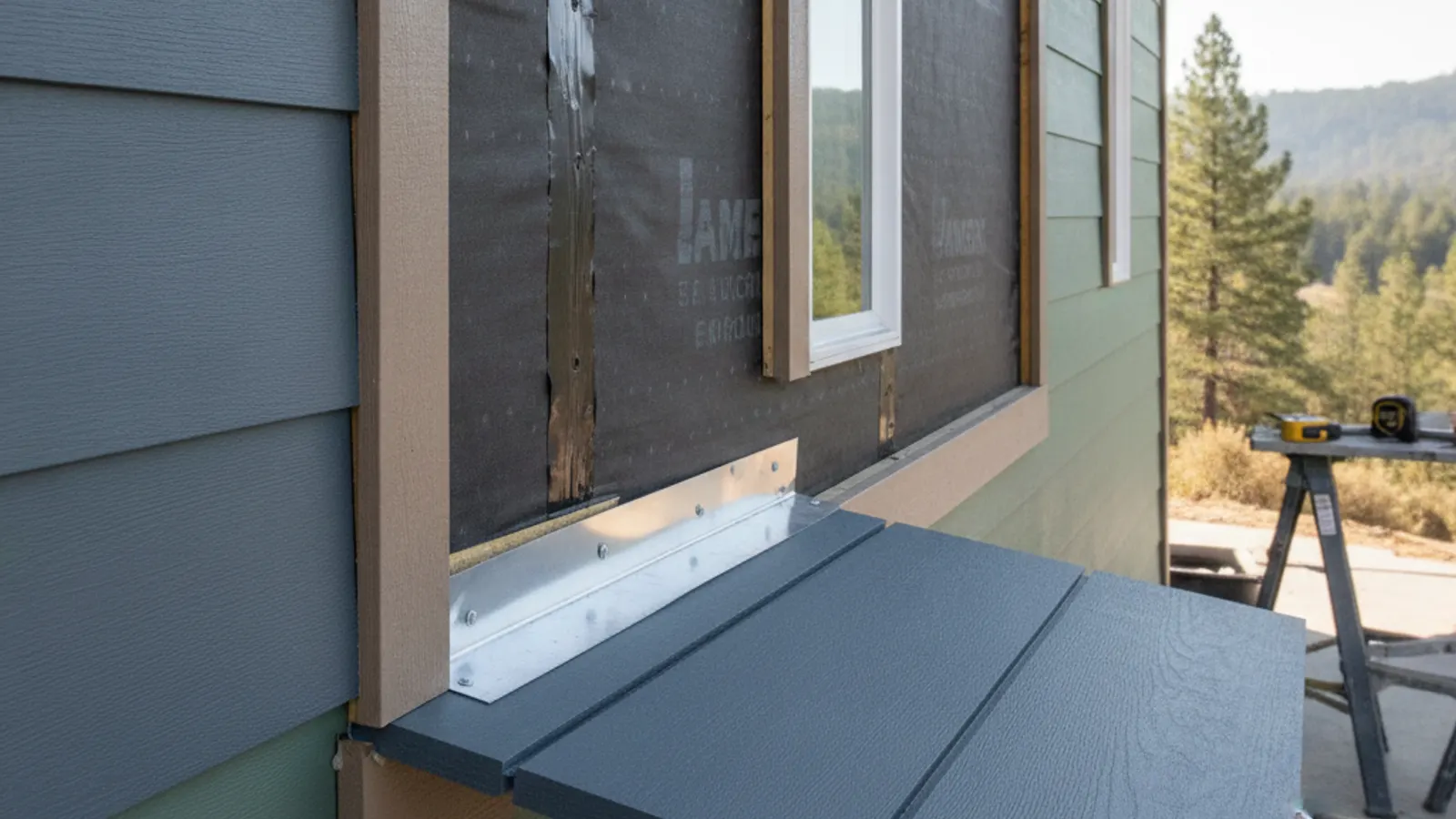
Here's the part worth more than the brand choice itself: the installation. Building-science authorities — the U.S. Department of Energy's Building America program and Building Science Corp. — are unambiguous that a wall's durability is governed by the assembly behind the cladding: a continuous water-resistive barrier, flashing integrated at every opening, correct clearances, and proper fastening. A premium Hardie wall installed carelessly will fail where a value brand installed meticulously lasts. So if you're deciding where to spend, prioritize a careful, detail-obsessed installer over the brand premium. We install James Hardie for its fit and California availability, we hold no certified-installer claim from any manufacturer, and we'd rather you judge us on how we detail the fiber cement assembly than on the name on the board. Compare the field in our fiber cement brands hub.
Key takeaways
- Hardie's premium buys engineering (HZ climate lines), the ColorPlus factory finish, published warranties (15-yr finish / 30-yr substrate), and availability — not a fundamentally different material.
- The core material and non-combustibility are shared across reputable fiber-cement brands — that's not what you pay extra for.
- Hardie is worth it for factory finish, climate fit, and availability; a reputable value brand can be the smarter spend on tight budgets.
- No universal verdict — a contractor insisting Hardie is the only option is selling, not advising.
- A careful installer matters more than the brand premium: the WRB, flashing, and clearances decide whether any fiber cement lasts.
FAQ
Quick Answers
Often, but not always. The premium buys climate-engineered product lines, the ColorPlus factory-baked finish, published warranties, and broad California availability — genuine benefits. What it doesn't buy is a fundamentally different material, since all reputable fiber cement shares the same core composition and non-combustibility. If you value the finish, climate fit, and availability, it's worth it; on a tight budget, a well-stocked value brand installed correctly can be the smarter spend.
On the fundamental material — durability, moisture/pest resistance, non-combustibility — reputable fiber cement is broadly comparable regardless of brand, because the composition is similar. Hardie's extras are climate-specific formulation, its factory finish program, warranty terms, and availability. So a cheaper reputable brand isn't 'worse material,' but you may give up finish options, climate-line matching, and easy local availability. The installer's quality matters more than the price tier.
The installer. Building-science authorities are clear that a wall stays dry because of a continuous water-resistive barrier, flashing integrated at openings, proper clearances, and correct fastening — not because of the cladding brand. A premium brand installed poorly will fail where a reputable brand installed meticulously lasts decades. If you're prioritizing where to invest, choose a careful, detail-focused installer over the brand premium.
Materially less of it is the boards than most people assume. The large components are labour — removal, disposal, barrier and flashing work, cutting and fitting around every opening — plus trim, which is slower per foot than field siding, and any repair found once the wall is open. That is why two quotes for the same product can differ substantially: they are usually differing on scope and on how the invisible parts of the assembly are handled, not on the price of siding.
Several, and it is worth saying so plainly. If the existing cladding is sound and the complaint is dated color, a repaint captures most of the gain for a fraction of the cost. If a homeowner is selling within a year or two, the return rarely justifies the outlay against simply pricing the property accordingly. If the budget only stretches to either a re-side or the fire hardening a genuinely exposed parcel needs, the hardening is the better spend. We would rather make those cases than quote the larger job by default.
Exterior condition affects how a house shows and how an inspection reads, and visibly failing cladding tends to invite a price adjustment larger than the repair would have cost. What we will not do is put a percentage on the return, because that varies by market, by neighbourhood and by what the house is competing against — and any contractor quoting a precise resale figure is quoting a number they cannot support. Your agent is the right source for that judgement.
Sources
Authoritative references
- James Hardie — what fiber cement is (Portland cement, sand, water, cellulose; noncombustible/Class A per ASTM E84)
- James Hardie — ColorPlus Technology (factory baked-on finish)
- Building Science Corp. — drainage plane / water-resistive barrier (the install governs moisture performance)
- UC ANR Fire Network — Siding: fiber cement (lap or panel) qualifies as noncombustible for WUI
External links to government, code, and manufacturer sources. Sierra Siding is not affiliated with these organizations; references are provided for verification.