
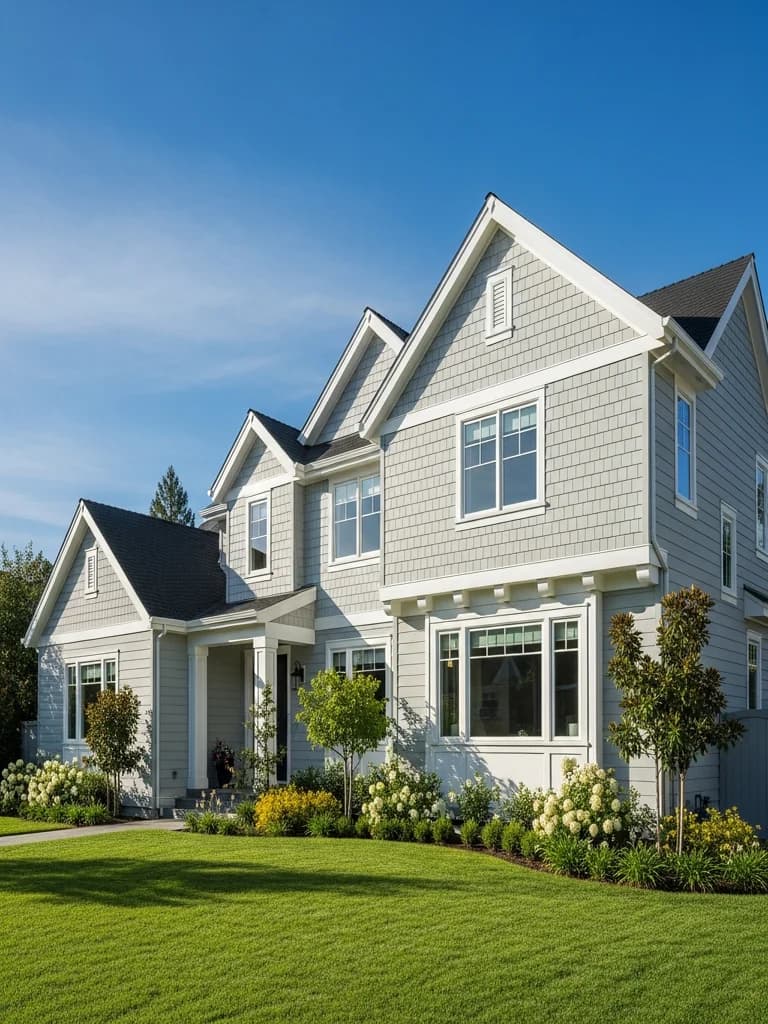
Fire-Resistant Siding in Woodside
Woodside is one of the few towns where the design rules and the fire logic point the same way. The town's Residential Design Guidelines say Woodside prefers naturally fire-resistant siding, and they list stucco, natural stone, and cementitious siding as examples. For an owner replacing tired wood on a home among redwoods and oaks, that is a clear signal about where to start.
The harder part is everything around the cladding. Embers find vents, eaves, deck edges, and the strip of ground against the foundation long before they test the siding itself, so a fire-resistant re-side in Woodside is really a plan for the whole lower wall and roof edge, built to pass the town's review.
Free estimate
Get your free Woodside estimate
On-site assessment with a written, itemized scope. We reply within one business day.
Licensed, Bonded & Insured
Where Woodside sits on the state fire maps
State fire maps show much of Woodside in Moderate and High zones, with Very High land in the hills toward the northwest and along the ridge. The town also publishes its own Very High fire hazard map in its General Plan. That spread means two neighbors can face different exposure, so the first step on any project is to check your parcel on the OSFM Fire Hazard Severity Zone viewer and note the rating in the scope. Fire protection here comes from the Woodside Fire Protection District. A wooded hillside lot in a High area calls for a more complete hardening package than an open lot in a Moderate one, and we size the scope to the parcel rather than to the town as a whole.
Fiber cement and what the guidelines actually say
Fiber cement is non-combustible under ASTM E136 and carries a Class A flame-spread rating, which is why it lines up with the town's stated preference. The guidelines go further on wood: they note that less fire-resistant materials like wood need special installation or treatment in consultation with the town and fire district. So an owner who wants a wood look has two honest options — a wood-textured fiber cement profile, or real wood detailed and treated as the town and district direct. The same guidelines ask that wall materials be non-reflective, which steers color toward muted, natural factory finishes. Our fiber cement vs. wood fire comparison lays out the trade-offs.
The first five feet and the base of the wall
On Woodside lots the ground against the house is often bark mulch, shrubs, or a wood deck — exactly what an ember shower ignites first. We treat the bottom of the wall as its own scope item: non-combustible trim at the base, siding held up off grade so it can drain and dry, and a non-combustible zone in the first five feet that the owner can maintain. The damp, shaded side of many lots also benefits, because the same clearance that resists embers stops the bottom-course rot common on older Woodside homes. See Zone 0 and siding for how the ground and the wall work together.
Vents, eaves, and deck connections
Siding alone does not harden a house. Open eaves, foundation and attic vents, and the joint where a deck ledger meets the wall are common ember entry points. During a re-side the wall is open, so it is the cheapest moment to swap in ember-resistant vents, enclose or harden eave framing, and flash the ledger with metal rather than relying on caulk. We list each of those as a separate line so the owner can see what the fire work adds and decide on it deliberately. Our guide to soffit and attic ventilation covers the airflow side so hardening does not trap moisture in the attic.
Getting samples in front of reviewers
Woodside's staff-review submittal list asks applicants to call out all existing and proposed exterior materials and to provide a materials board with physical samples, not pictures. Larger projects go to the Architectural and Site Review Board. We assemble the board with real fiber cement, trim, and vent samples, confirm which level of review the re-side needs, and only then order material. Permits come through the town's Building Department. The board should show the cladding, the trim, the vent product, and the factory color side by side, because reviewers are judging how the pieces read together on a natural setting. If the design calls for wood anywhere on the house, we note how it will be installed or treated, since the guidelines tie that question to the town and the fire district. Settling all of this on paper first keeps the order, the crew schedule, and the review from colliding.
Why this matters in Woodside
- Specified for Peninsula conditions
- James Hardie as the recommended system
- Correctly detailed weather-resistive barrier and flashing
- Installed by a crew with 20 years combined experience
Recommended systems for Woodside
- James Hardie
- fiber cement
Fire-Resistant Siding for Woodside homes
The full fire-resistant siding approach — materials, weather-resistive detailing, and the manufacturer standards we install to — is covered on the main service page, then specified for Woodside's conditions on this one.
Our Woodside process
- Step 1
Consultation
We listen to your goals and assess your home on site — exposure, substrate, and architecture.
- Step 2
Design & Proposal
A clear written proposal with the right system specified for your climate and a transparent scope.
- Step 3
Expert Installation
Trained crews install to manufacturer best practices with careful weather-management detailing.
- Step 4
Walkthrough & Support
A final walkthrough, full cleanup, and a clear written record of the scope completed — work we stand behind.
FAQ
Fire-Resistant Siding in Woodside — FAQ
The town's Residential Design Guidelines say Woodside prefers naturally fire-resistant siding and list cementitious siding, stucco, and natural stone as examples. Materials still go through the town's review, and fire-specific requirements depend on your parcel.
The guidelines note that less fire-resistant materials like wood need special installation or treatment in consultation with the town and fire district. A wood-textured fiber cement profile is the simpler route to the same look.
Fiber cement is non-combustible under ASTM E136 and Class A for flame spread, so the cladding itself will not fuel a fire — but vents, eaves, and decks still need attention.
Look up your parcel on the state OSFM viewer. Much of Woodside is Moderate or High, with Very High land in the northwest hills and along the ridge.
Keep Exploring
More for Woodside homeowners
Nearby Service Areas
Fire-Resistant Siding near Woodside
Helpful Exterior Guides