
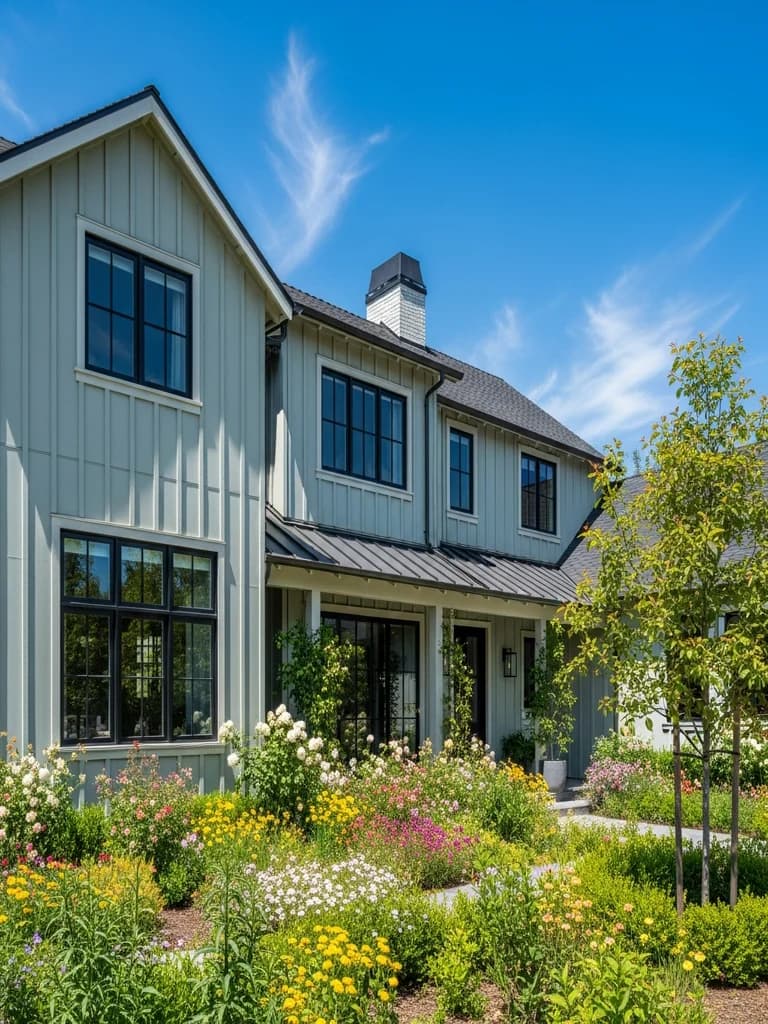
Siding Repair in Rough and Ready
Rough and Ready is drier than most of the Nevada County towns we serve. It sits in open oak grassland and pine west of Grass Valley, with winters that are cool and wet but fairly short. So siding repair here isn't mostly about chronic damp. It's about what long, hot, high-UV summers do to wood and caulk, what wind and grass do at the base of the wall, and the occasional winter leak that's been getting through for years.
The community has two kinds of houses. Near the old townsite, a few historic Gold Country cottages and buildings call for careful, period-faithful patching. Across the surrounding hills, rural acreage homes, ranch houses, and custom homes with wood, board, or T1-11 siding need practical repairs. Permits for both go through Nevada County.
Free estimate
Get your free Rough and Ready estimate
On-site assessment with a written, itemized scope. We reply within one business day.
Licensed, Bonded & Insured
Sun-split boards and open caulk joints
Months of hot, dry sun shrink wood siding and bake the caulk at butt joints, corners, and window trim until it pulls loose. On south- and west-facing walls, we often find boards with checks and splits along the grain, open joints at the trim, and paint that has gone chalky and thin. Each opening is a spot where the next winter's rain can get behind the siding. We replace boards that are split through, rebuild failed joints with backer and a sealant meant to stretch, and prime any bare cut ends. Where the finish has failed across a whole wall, painting it properly is part of the repair.
The base of the wall in grass country
Grass grows right up to many acreage homes here, and that strip at the bottom of the wall is where we find much of the repair work. Wood and T1-11 nailed close to the soil absorb water from the ground in winter, and the lower edge rots or delaminates, and string trimmers chew at whatever is left. We cut back the damaged material, restore clearance between the siding and grade, and add flashing at the base so the new material stays dry. That same strip is where a grass fire would reach the wall. When we repair it, we suggest using a non-combustible material at the base rather than putting new wood back in.
Cottages near the old townsite
On the older cottages near the original townsite, repair should keep as much original siding as possible and match whatever has to be replaced. We take out failed boards one at a time, match the profile and exposure, and copy any trim from what's left on the house. These buildings can carry many layers of old paint, so before we disturb painted surfaces on a pre-1978 house, we follow lead-safe practices; our RRP rule guide explains what that involves. We'll be upfront if a section is too far gone to save.
Repair, partial re-side, or the full wall
Essentially all of Rough and Ready falls in Moderate to Very High fire hazard zones. That changes how we look at repeated repairs to combustible wood. A single damaged section is worth fixing. A wall that needs work every few years, or T1-11 that's coming apart across a whole elevation, is usually better replaced with fiber cement. Rough and Ready is HZ10 for Hardie product. Our repair or replace guide lays out where that line usually falls, and our Hardie board repair guide covers fixing fiber cement that's already in place.
Why this matters in Rough and Ready
- Specified for Sierra Foothills conditions
- Class A non-combustible fiber cement as the recommended system
- Correctly detailed weather-resistive barrier and flashing
- Installed by a crew with 20 years combined experience
Recommended systems for Rough and Ready
- Class A non-combustible fiber cement
- fire-aware detailing
- period-sensitive profiles
Siding Repair for Rough and Ready homes
The full siding repair approach — materials, weather-resistive detailing, and the manufacturer standards we install to — is covered on the main service page, then specified for Rough and Ready's conditions on this one.
Our Rough and Ready process
- Step 1
Consultation
We listen to your goals and assess your home on site — exposure, substrate, and architecture.
- Step 2
Design & Proposal
A clear written proposal with the right system specified for your climate and a transparent scope.
- Step 3
Expert Installation
Trained crews install to manufacturer best practices with careful weather-management detailing.
- Step 4
Walkthrough & Support
A final walkthrough, full cleanup, and a clear written record of the scope completed — work we stand behind.
FAQ
Siding Repair in Rough and Ready — FAQ
Long, hot, high-UV summers shrink wood and break down caulk and paint. The splits and open joints that result are where water gets in during the shorter wet season. We replace the split boards and rebuild the joints so they can move.
Yes. We keep the original siding wherever it's sound, match the profile of anything we replace, and follow lead-safe practices on older painted surfaces.
In grass-fire country we suggest a non-combustible material at the base. It also stands up better to the ground moisture and string-trimmer damage that ruin wood in that strip.
Rough and Ready is unincorporated, so if the scope calls for one, it comes from Nevada County. Small board replacements and larger wall repairs are treated differently, and we sort that out before scheduling.
Keep Exploring
More for Rough and Ready homeowners
More in Rough and Ready
Other exterior services in Rough and Ready
Nearby Service Areas
Siding Repair near Rough and Ready
Back to
Nevada County & Rough and Ready
Helpful Exterior Guides