
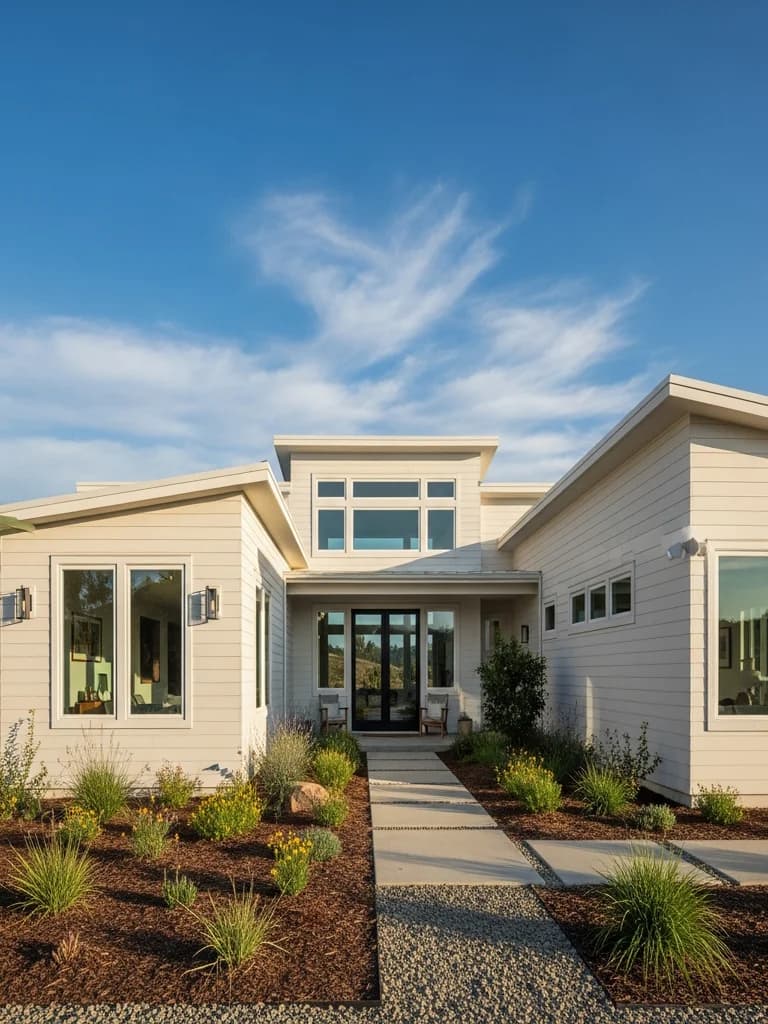
Dry Rot Repair in Dutch Flat
Dry rot repair in Dutch Flat is preservation carpentry as much as rot removal. The town's 19th-century houses, cottages and false-front commercial buildings are the reason it's a National Register historic district, and the goal on a rotted section is usually to save as much original wood as possible while removing what has truly failed.
About a quarter of Dutch Flat's housing is held for seasonal use, so many homes sit empty through wet, snowy winters with nobody watching for leaks. That is a common way for rot to get well established before anyone notices. The general process is on our [dry rot repair](/dry-rot-repair) page; here is how it changes on an older Dutch Flat building.
Free estimate
Get your free Dutch Flat estimate
On-site assessment with a written, itemized scope. We reply within one business day.
Licensed, Bonded & Insured
Saving original wood with splices and consolidants
On a historic building, replacing a whole board or casing because one end is soft can remove more original material than necessary. Where the rot is limited, we remove just the failed wood and splice in a matching piece, shaped to the same profile and glued and fastened to the sound original. Small areas of soft wood that remain structurally useful can be treated with a wood consolidant and then filled. If a piece can't be saved, its replacement is made to the original size and profile. Each method gets primed on all faces before painting so new and old wood age the same way.
Cornices and false fronts that hold water on top
False-front and commercial buildings in Dutch Flat's core have horizontal surfaces up high: the top of a parapet, a cornice, a sign board ledge. If those were never capped or their flashing has failed, water sits there through winter and works down into the framing behind the face. From the street the front may look sound, while the top edge and the framing below it have softened. We inspect these from a ladder or lift, probe along the top, and recommend a metal cap or properly sloped flashing on any horizontal surface we rebuild.
Seasonal homes and rot nobody saw happening
On a second home that's closed for the winter, a blocked gutter, a slipped roof flashing or a porch joint that holds water can soak the same wood for months before anyone returns. Owners often first see the damage in spring as peeling paint or a soft step. When we inspect a seasonal Dutch Flat home, we check every water path, not just the visible damage, and list problems in writing with photos so you can plan the work even if you're not on site. The signs of dry rot guide shows what to look for when you open up the house.
Vent and eave repairs that also cut ember entry
The state's SRA map rates Dutch Flat's community point Very High, and your lot's own rating is on the OSFM viewer. On houses that predate any thinking about ember intrusion, the rotted wood we replace is often around open eaves and unscreened vents. Rebuilding those parts lets us screen or replace the vents and seal eave openings without changing how the building looks. Dutch Flat is unincorporated, so county planning is the place to ask whether historic or design review touches your parcel; we check that before visible material changes.
Why this matters in Dutch Flat
- Specified for I-80 Corridor / Sierra Foothills conditions
- James Hardie fiber cement (HZ5 line) in period lap profiles as the recommended system
- Correctly detailed weather-resistive barrier and flashing
- Installed by a crew with 20 years combined experience
Recommended systems for Dutch Flat
- James Hardie fiber cement (HZ5 line) in period lap profiles
- smooth-finish narrow-reveal lap for historic elevations
- ember-resistant vents and enclosed eaves
- non-combustible trim at grade and porches
Dry Rot Repair for Dutch Flat homes
The full dry rot repair approach — materials, weather-resistive detailing, and the manufacturer standards we install to — is covered on the main service page, then specified for Dutch Flat's conditions on this one.
Our Dutch Flat process
- Step 1
Consultation
We listen to your goals and assess your home on site — exposure, substrate, and architecture.
- Step 2
Design & Proposal
A clear written proposal with the right system specified for your climate and a transparent scope.
- Step 3
Expert Installation
Trained crews install to manufacturer best practices with careful weather-management detailing.
- Step 4
Walkthrough & Support
A final walkthrough, full cleanup, and a clear written record of the scope completed — work we stand behind.
FAQ
Dry Rot Repair in Dutch Flat — FAQ
Often not. Where the rot is limited, a splice of matching wood saves most of the original casing.
Yes. We inspect, photograph what we find and send a written list, so you can decide on the work before you're back.
Horizontal surfaces up high collect water if they aren't capped or flashed. We rebuild the rotted wood and add a cap or sloped flashing.
Matching repairs rarely raise an issue, but county planning can tell you whether a review applies to your parcel, and we confirm it before changing anything visible.
Keep Exploring
More for Dutch Flat homeowners
More in Dutch Flat
Other exterior services in Dutch Flat
Nearby Service Areas
Dry Rot Repair near Dutch Flat
Helpful Exterior Guides