9 min read · Siding Replacement
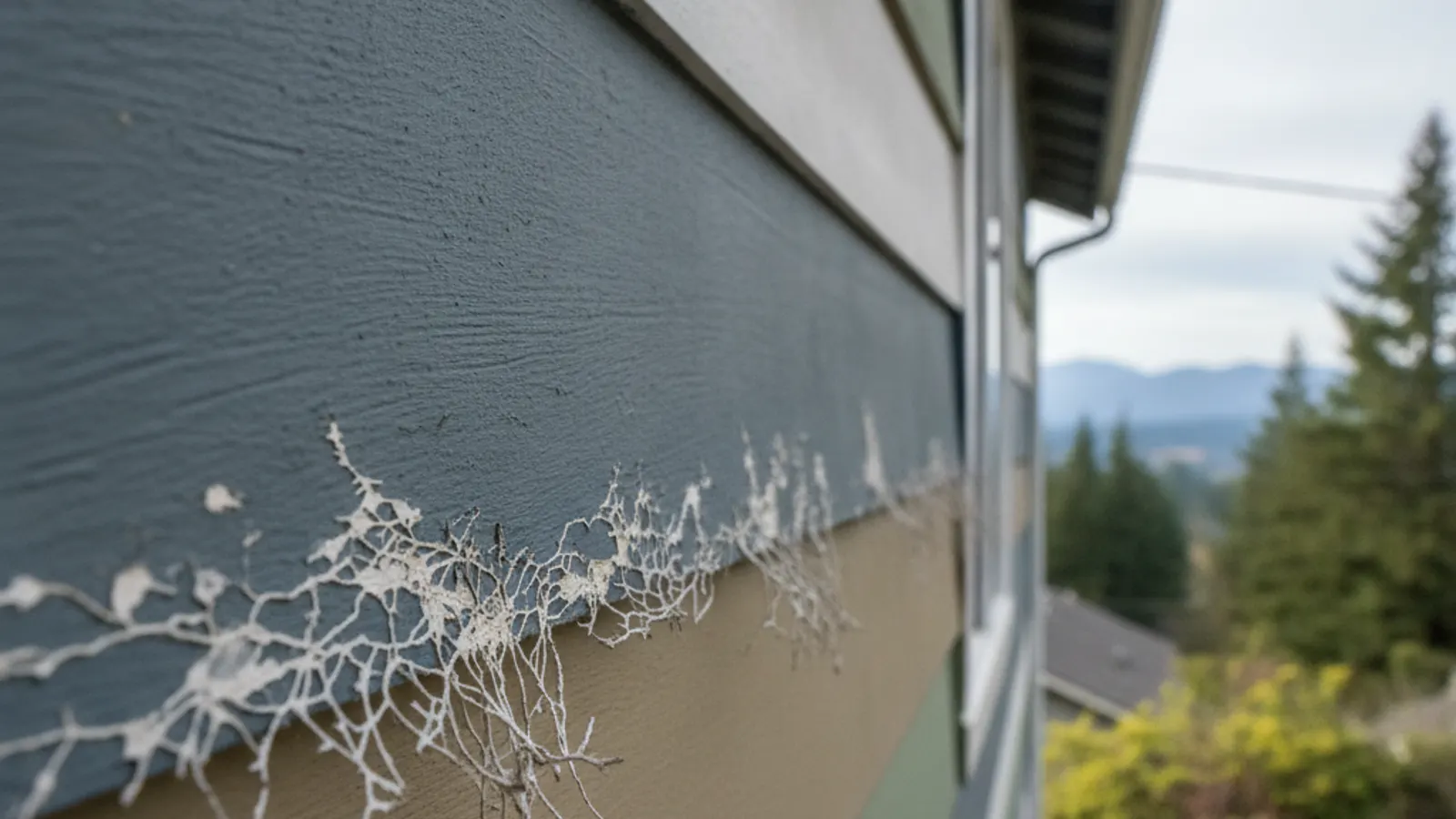
Louisiana-Pacific's 'Inner-Seal' siding — an OSB-core engineered-wood product made from roughly 1985 to 1995 — is one of the better-documented siding failures in North America. The lower lap edges cracked, absorbed water, swelled, delaminated, and grew fungus, despite a 25-year warranty, leading to a nationwide class-action settlement that received final approval in 1996. If your home is from that era and the bottom edges of the lap boards show a web of cracks and crumbling bits, this may be what you have. One crucial point up front: the failed Inner-Seal product is NOT the same as LP SmartSide, the well-regarded engineered-wood siding LP has made since 1997 and that we install today. This guide separates the two clearly and covers your replacement options.
What LP Inner-Seal was, and why it failed
Inner-Seal was an engineered-wood siding with an oriented strand board (OSB) core — pressed and bonded wood strands and resin — produced by Louisiana-Pacific from about 1985 to 1995. As documented by sources like Nonprofit Home Inspections, the lower lap edges cracked and absorbed water, the OSB core swelled and delaminated, and the boards rotted and grew fungi prematurely. OSB's vulnerability to sustained moisture is well understood in building science — InspectAPedia describes how exposed OSB delaminates, 'frizzes,' and loses its grip on fasteners once it's softened by water. The exposed bottom lap was Inner-Seal's weak point.
The 1996 settlement (documented history)
Inner-Seal's failures led to a nationwide class action, In re Louisiana-Pacific Inner-Seal Siding Litigation, in the U.S. District Court for the District of Oregon, which received final approval in 1996. Reporting and case summaries describe a settlement under which Louisiana-Pacific ultimately paid out close to $1 billion across the full course of the litigation as claims were processed over the following years. We cite this purely as documented history; the claims program has long closed, so for today's homeowners it explains the problem rather than offering a remedy. The practical reality is a wall that has reached the end of its life.
Important: old Inner-Seal is not today's LP SmartSide
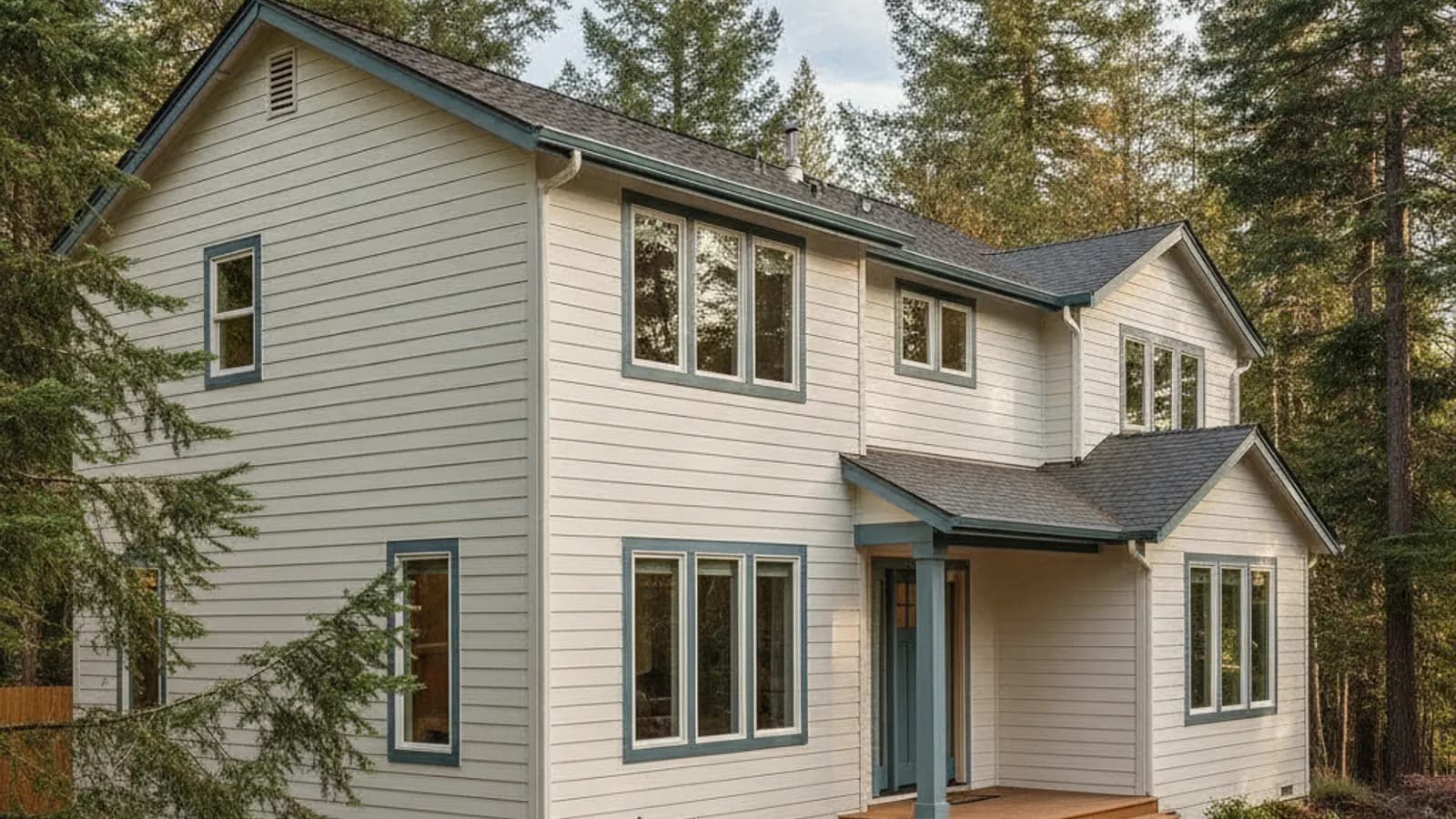
This distinction matters and we want to be fair to a good current product. After discontinuing Inner-Seal, Louisiana-Pacific introduced the re-engineered LP SmartSide line in 1997 — a different, modern engineered-wood siding, treated through LP's SmartGuard process, that has performed well and that we install in appropriate low-fire settings. LP reports having sold billions of square feet of SmartSide since 1997 (a manufacturer claim). So if a neighbor or inspector mentions 'LP siding problems,' they're almost certainly referring to the 1980s–90s Inner-Seal product — not the SmartSide on the market today. Don't let the old history scare you off the current material; just make sure you know which one is on your wall.
What replaces failed Inner-Seal in California
For most California homes, the durable replacement is non-combustible **fiber cement** (such as James Hardie) — cement-based, so there's no OSB core to absorb water, plus a Class A fire rating for our wildfire-prone regions. In genuinely low-fire areas where you want authentic wood grain, **modern LP SmartSide** is a legitimate, well-engineered choice — effectively the redemption of the engineered-wood category. Either way, replacing Inner-Seal is the moment to install a proper weather-resistive barrier and flashing and to detail the bottom edges and laps correctly, which is where the original product was most exposed. Compare the materials in our siding types guide.
Old LP Inner-Seal vs. today's replacements
| Factor | LP Inner-Seal (1985–95) | Fiber cement | LP SmartSide (1997+) |
|---|---|---|---|
| Core | OSB — absorbed water & swelled | Cement — no wood core | Re-engineered treated wood strand |
| Track record | Failed; 1996 settlement | Long, widely specified | Strong since 1997 |
| Fire | Combustible | Non-combustible (Class A) | Combustible — low-fire areas |
| Best for | — | Most CA homes & all WUI parcels | Wood look in low-fire areas |
Key takeaways
- LP Inner-Seal (1985–95) was OSB-core siding that absorbed water at the lap edges, swelled, delaminated, and rotted.
- Identify it by a web of cracks and crumbling 'frizz' along the bottom lap edges of the boards.
- A 1996 nationwide settlement documented the defect; that claims program is closed.
- Old Inner-Seal is NOT today's LP SmartSide (1997+), which is a good, re-engineered product we install in low-fire areas.
- Fiber cement is the all-around replacement; modern SmartSide fits low-fire homes wanting wood grain.
FAQ
Quick Answers
The bad reputation belongs to the old Inner-Seal OSB siding from 1985–95, which failed and settled in 1996. Today's LP SmartSide, introduced in 1997, is a different, re-engineered product that has performed well and is a legitimate engineered-wood option in low-fire areas. Don't confuse the two — the modern material is not the one that failed.
Look at the bottom lap edges of the boards on a home built between roughly 1985 and 1995. Inner-Seal characteristically shows a web of fine cracks along that lower lip, with crumbling or 'frizzing' bits that brush off — signs the OSB core has absorbed moisture and delaminated. A professional can confirm it during an exterior assessment.
Localized early damage might be patched, but Inner-Seal failure is moisture-driven and progressive across the exposed lap edges, so it rarely stays isolated. Once multiple boards are cracking and crumbling at the bottoms, a full re-side to a moisture-stable material is the durable fix rather than chasing repairs board by board.
No, and conflating them is the most common misunderstanding here. Inner-Seal was a 1980s and 1990s product with a documented failure history. LP SmartSide is a later engineered-wood system with different manufacturing and treatment, and it is a mainstream product in current use. Judging the modern product by the older one is not reasonable — but neither is assuming that because the modern product is sound, existing Inner-Seal on a house is fine.
Swelling and softening at the bottom edges of boards and around fastener heads, a fuzzy or fibrous texture where the surface has broken down, dark staining that does not wash off, and boards that feel spongy under thumb pressure. It concentrates where water sits or splashes — the lowest course, below windows, behind downspouts, and anywhere trim directs runoff onto the face of the wall.
The historical class settlements relating to that era of product had claim deadlines that passed a long time ago, so as a practical matter this is not a route to funding a replacement today. If you believe you have a specific claim, that is a question for an attorney rather than a contractor — we can tell you what the material is doing and what replacing it involves, and we are not in a position to advise on legal remedies.
Sources
Authoritative references
- Nonprofit Home Inspections — LP Inner-Seal siding: history, identification & 1996 settlement
- InspectAPedia — OSB sheathing: moisture exposure, delamination & failure
- LP Building Solutions — LP® SmartSide® engineered-wood lap siding (current product)
- James Hardie — official fiber cement products & resources
External links to government, code, and manufacturer sources. Sierra Siding is not affiliated with these organizations; references are provided for verification.