Dry Rot Repair in Grass Valley
Grass Valley has long dry summers and genuinely wet winters, and that cycle is ideal for rot. Paint cracks in the heat, and the rain soaks in through the cracks for months. Add forest lots where walls stay shaded, older homes with wood that has been close to the soil for decades, and a historic townsite with rules about how original siding is treated, and you have a town where rot repair calls for care.
We find and fix rot across Grass Valley, from homes near downtown to forest subdivisions and acreage. Our [dry rot repair](/dry-rot-repair) service page covers the general method.
Free estimate
Get your free Grass Valley estimate
On-site assessment with a written, itemized scope. We reply within one business day.
Licensed, Bonded & Insured
The wet months make it, the dry months fix it
In Grass Valley most rot develops through the wet season, when water gets in at failed joints and the wall stays damp. The best time to repair it is the dry stretch, when an opened wall can dry before it is closed and new paint and sealant can cure. We often inspect in winter or spring, when damp spots and staining are easiest to see, and schedule the repair for the dry months. If a section is bad enough that it can't wait, we open and close it in a single dry window and protect it until it can be finished.
Repairing original siding in the Historic Townsite
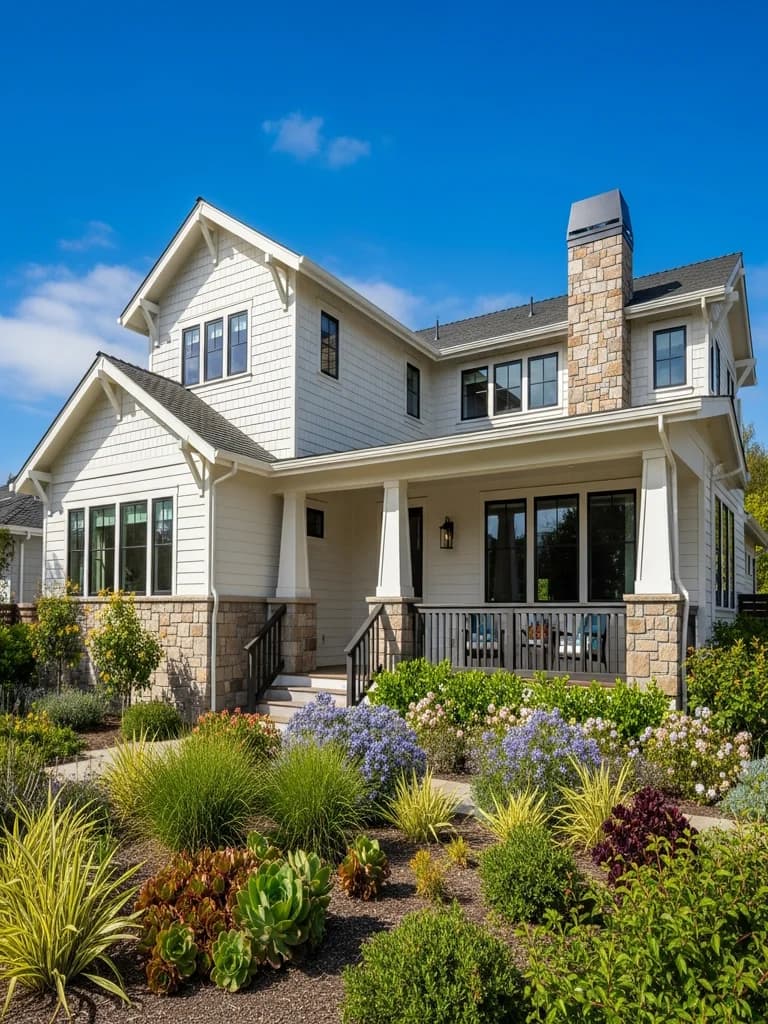
Grass Valley's 1872 Historic Townsite has design guidelines that favor repairing original siding over replacing it, and that accept substitutes that convey the original's size, shape, texture, and finish. So on a home in the townsite, we cut out only the decayed part of a board and splice in matching wood where possible, rather than replacing whole runs. Where a piece has to be replaced, we match the narrow-reveal profile and trim detail. We ask the city's Building Division about review before work begins, and we keep notes and photos of the original pieces in case the question comes up later.
Old wood-to-soil contact on forest lots
Many older and rural Grass Valley homes have siding, trim, or posts that sit right at or below the soil line, sometimes because the grade has crept up over the years. Wood in contact with soil stays wet and rots from the bottom. We probe the lowest courses, porch posts, and stair stringers, and when we rebuild we restore clearance between the wood and the ground. On shaded forest lots, needle-filled gutters overflowing onto the fascia are the other common cause, and we check those runs too. Our signs of dry rot behind siding guide helps you spot early damage.
City permit or county permit, and Very High fire zones
Many Grass Valley mailing addresses are actually in unincorporated Nevada County, so if a repair reaches framing, the permit may come from the county rather than the city. We confirm which applies before we start. Grass Valley's own fire hazard map shows most of the city as Very High, so on a designated parcel a rebuilt wall section is subject to the wildland-urban interface code. We suggest non-combustible fiber cement for rebuilt trim and siding outside the historic townsite, and we fit ember-resistant vents when an eave is open. Inside the townsite, matching the original look comes first, and we discuss how to balance the two.
Why this matters in Grass Valley
- Specified for Sierra Foothills / Gold Country conditions
- Class A non-combustible fiber cement as the recommended system
- Correctly detailed weather-resistive barrier and flashing
- Installed by a crew with 20 years combined experience
Recommended systems for Grass Valley
- Class A non-combustible fiber cement
- fire-aware detailing
- period-sensitive profiles
Dry Rot Repair for Grass Valley homes
The full dry rot repair approach — materials, weather-resistive detailing, and the manufacturer standards we install to — is covered on the main service page, then specified for Grass Valley's conditions on this one.
Our Grass Valley process
- Step 1
Consultation
We listen to your goals and assess your home on site — exposure, substrate, and architecture.
- Step 2
Design & Proposal
A clear written proposal with the right system specified for your climate and a transparent scope.
- Step 3
Expert Installation
Trained crews install to manufacturer best practices with careful weather-management detailing.
- Step 4
Walkthrough & Support
A final walkthrough, full cleanup, and a clear written record of the scope completed — work we stand behind.
FAQ
Dry Rot Repair in Grass Valley — FAQ
The dry months, when an open wall can dry out and paint and sealant can cure. We often inspect during the wet season, when damage is easiest to see, and schedule the repair for when it is dry.
Yes. The townsite guidelines favor repair, so we cut out only the decayed wood and splice in matching material, and we check with the city about review before starting.
Usually wood is touching or close to the soil, or splash and drainage are wetting it. We restore clearance from the ground when we rebuild.
It can, if the rebuild is large enough on a designated parcel. Most of Grass Valley is mapped Very High, so we check your parcel at the inspection.
Yes, including unincorporated Grass Valley addresses, which permit through Nevada County when a permit is needed.
Keep Exploring
More for Grass Valley homeowners
More in Grass Valley
Other exterior services in Grass Valley
Nearby Service Areas
Dry Rot Repair near Grass Valley
Helpful Exterior Guides