
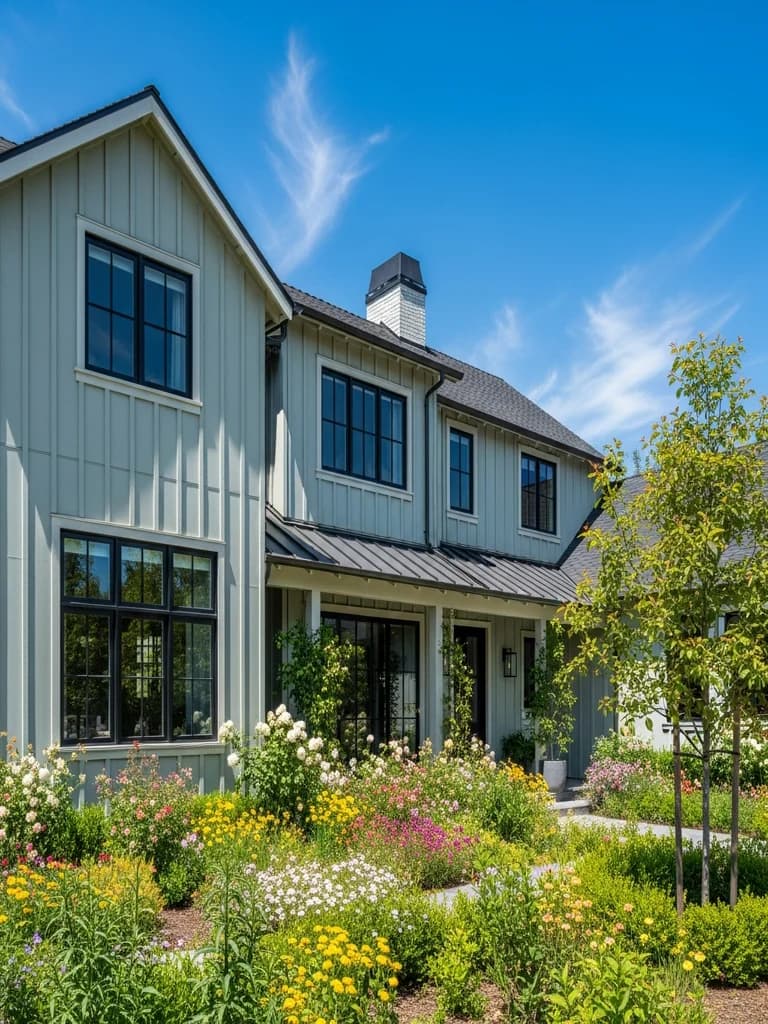
Exterior Painting in Grass Valley
Painting in Grass Valley often means preserving something old. The city's 1872 Historic Townsite and the streets around downtown hold Victorian-era and early-1900s homes with narrow lap siding and detailed trim, and the design guidelines there favor repairing original siding over replacing it. Out in the forested subdivisions and acreage, the job is about getting a finish to last through hot dry summers and genuinely wet winters.
This page covers how we repair and paint Grass Valley homes in both settings, and when a forest-lot house is better served by new siding than by another coat. Service details are on our [exterior painting](/exterior-painting) page, and local context is on the [Grass Valley town page](/locations/nevada-county/grass-valley).
Free estimate
Get your free Grass Valley estimate
On-site assessment with a written, itemized scope. We reply within one business day.
Licensed, Bonded & Insured
Repair-first painting inside the Historic Townsite
The Historic Townsite's Downtown Commercial, West Residential and South Residential districts carry design review under the city's 2010 guidelines, which favor repairing original siding. For a painter, that means patching rather than tearing out. We cut out only the rotted sections of a board and fit matching wood, consolidate soft edges where they can be saved, and reproduce damaged trim profiles before painting. Before work starts we confirm with the City of Grass Valley Building Division what review applies to your address. Many Grass Valley mailing addresses are actually unincorporated and fall under Nevada County, so jurisdiction is the first thing we check.
Victorian trim and lead-safe scraping
Decorative trim and narrow lap on Grass Valley's older homes usually carries many layers of paint. On a pre-1978 house, the EPA's RRP rule governs scraping and sanding: ground sheeting, wet scraping, no power sanding without HEPA dust collection, and a cleaning check at the end. Ornate trim takes hand scraping and detail work, and that's where most of the prep time goes. Our RRP guide explains what the rule requires. On narrow-reveal lap, scraping has to follow every shadow line without gouging the wood, which is slow work. We would rather spend the time there than sand the profile flat and lose the detail the guidelines aim to keep.
Working the dry window between wet winters
Grass Valley winters are wet, and wood that has been soaking all season isn't ready for paint just because the sun is out. We check moisture content in the siding and trim before priming, particularly on north walls and anywhere shaded by pines, and we schedule the exterior for the dry months when surfaces can dry fully and the finish can cure before rain returns. That makes the calendar a real constraint, and we would rather tell you at the site walk than paint a damp wall to hit a date.
Forest-lot prep: needles, shade and eaves
On wooded subdivision and acreage lots, pine needles and oak leaves collect on roof edges, in gutters and against the base of walls, keeping those surfaces damp. Before painting, we clear and wash, probe fascia ends and bottom courses for rot, and replace soft wood. Most of Grass Valley is mapped Very High on the city's fire hazard map, and while paint isn't fire protection, the prep can help: sealing gaps at eaves and trim, replacing split boards, and keeping vent screens free of paint. Check your parcel on the OSFM map.
When a forest home needs fiber cement instead of paint
Many rural and subdivision homes here still have combustible wood, board or T1-11 siding. If it's failing on several walls, repainting delays a re-side you'd likely want for fire reasons anyway. Non-combustible fiber cement, in James Hardie's HZ10 line for Grass Valley and available factory-finished in ColorPlus, ends the repaint cycle. Our re-side vs paint guide covers the signals. In or near the Historic Townsite, though, the guidelines favor repair, so for a historic home the answer is usually careful patching and paint rather than replacement. We sort out which situation applies before recommending either.
Why this matters in Grass Valley
- Specified for Sierra Foothills / Gold Country conditions
- Class A non-combustible fiber cement as the recommended system
- Correctly detailed weather-resistive barrier and flashing
- Installed by a crew with 20 years combined experience
Recommended systems for Grass Valley
- Class A non-combustible fiber cement
- fire-aware detailing
- period-sensitive profiles
Exterior Painting for Grass Valley homes
The full exterior painting approach — materials, weather-resistive detailing, and the manufacturer standards we install to — is covered on the main service page, then specified for Grass Valley's conditions on this one.
Our Grass Valley process
- Step 1
Consultation
We listen to your goals and assess your home on site — exposure, substrate, and architecture.
- Step 2
Design & Proposal
A clear written proposal with the right system specified for your climate and a transparent scope.
- Step 3
Expert Installation
Trained crews install to manufacturer best practices with careful weather-management detailing.
- Step 4
Walkthrough & Support
A final walkthrough, full cleanup, and a clear written record of the scope completed — work we stand behind.
FAQ
Exterior Painting in Grass Valley — FAQ
Yes. We cut out rotted sections, fit matching wood, and reproduce damaged trim before painting, which fits the Historic Townsite's preference for repair.
Wet wood doesn't hold paint. We check the moisture in siding and trim and wait until it has dried enough, especially on shaded walls.
It depends on the address. Many Grass Valley mailing addresses are unincorporated and fall under Nevada County. We confirm jurisdiction before work begins.
A premium 100 percent acrylic in two finish coats. Our guide to paint for field-painted Hardie explains why.
Keep Exploring
More for Grass Valley homeowners
More in Grass Valley
Other exterior services in Grass Valley
Nearby Service Areas
Exterior Painting near Grass Valley
Helpful Exterior Guides